
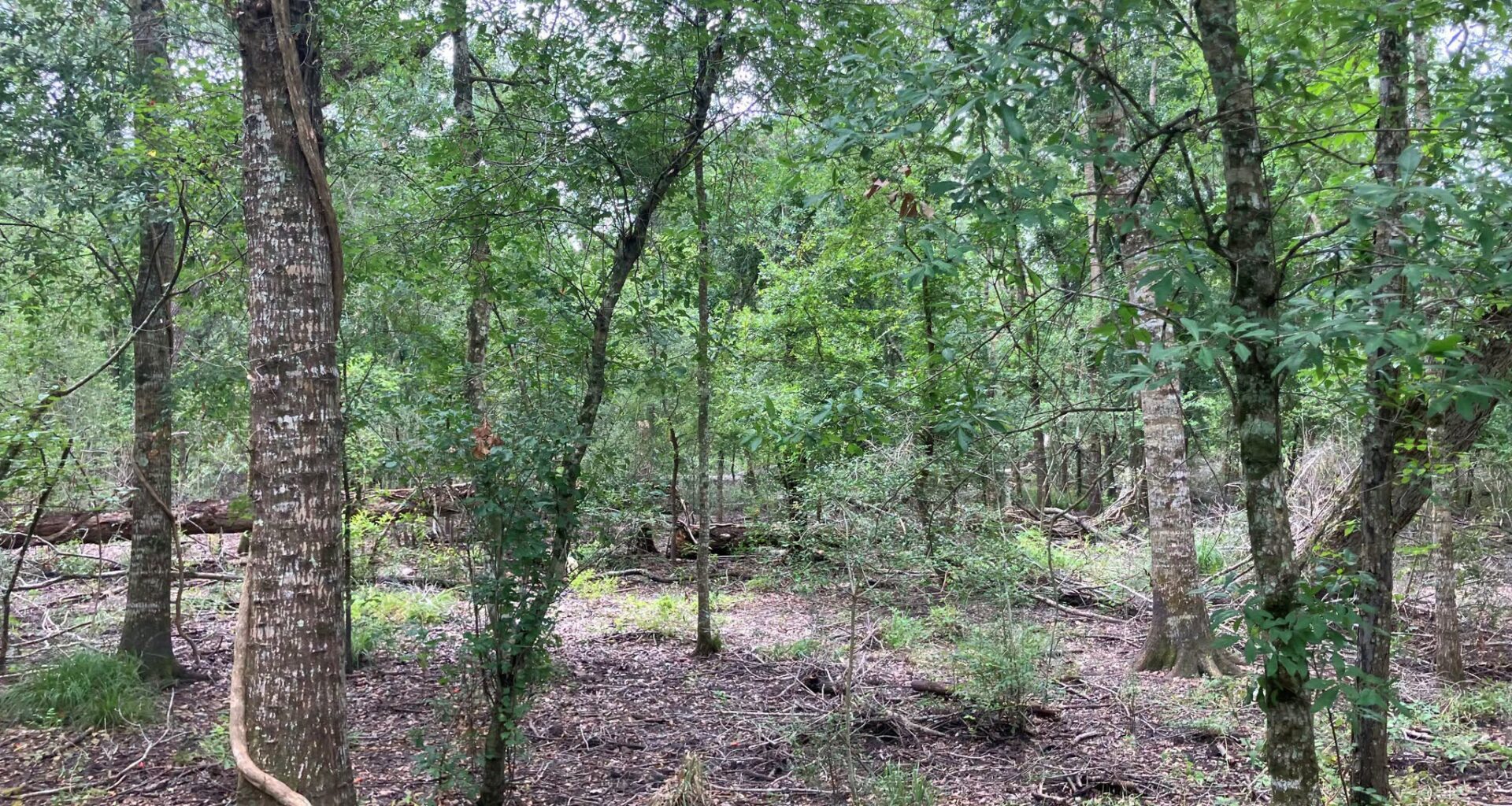
The newly protected property expands the more than 46,000 acres already conserved within the Columbia Bottomlands, one of the largest remaining tracts of bottomland hardwood forest on the Texas Gulf Coast. The landscape is known for its towering hardwoods, coastal live oak forests and wetlands that provide habitat for a wide variety of wildlife.
It also serves as one of the most important stopover sites for migratory songbirds crossing the Gulf. Each spring and fall, exhausted birds use the forest as a place to rest and refuel after flying hundreds of miles over open water.
The new acquisition also strengthens the San Bernard National Wildlife Refuge, which was established in 1968 and today protects more than 70,000 acres stretching from Gulf beaches to bottomland forests more than 50 miles inland. The refuge encompasses coastal prairies, marshes, lakes and forests and is home to more than 320 bird species, making it one of the premier birding destinations on the Texas coast.
The Nature Conservancy partnered with Mike Lange of North American Conservation Partners and numerous public and private supporters to complete the acquisition.
Funding came through the North American Wetlands Conservation Act, along with contributions from the Knobloch Family Foundation, Texas Parks and Wildlife Foundation, Houston Audubon, Friends of Brazoria Wildlife Refuges, Cradle of Texas Conservancy, Gulf Coast Bird Observatory and individual donors.
“We are proud to be part of this conservation success that demonstrates the power of public-private partnership,” The Nature Conservancy wrote.
According to the U.S. Fish and Wildlife Service, the refuge was originally established to protect coastal wetlands for wintering waterfowl and migratory birds before expanding its conservation mission in 1997 to include inland forests that support both migratory and resident wildlife. Today, visitors can explore the refuge through activities such as wildlife watching, photography, fishing, hunting and environmental education programs.