
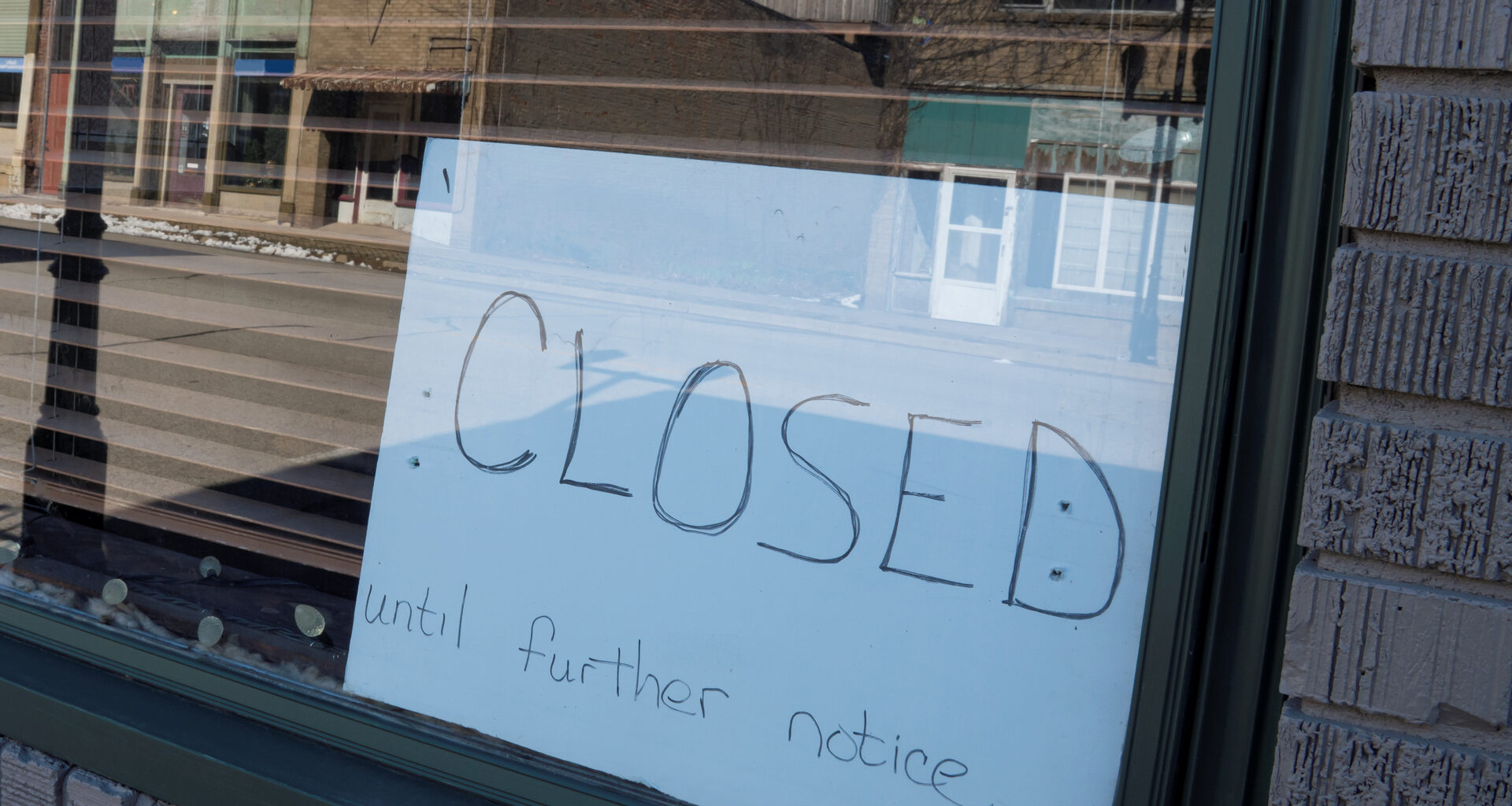
Is your small business struggling? Well, others may be sharing the pain, especially in Texas. As economic pressures continue to mount for many Texans, a new report found that business owners in the Lone Star State are struggling more than in almost any other state.
The report from LendingTree, an online lending marketplace, names Texas as the state with the third-highest bankruptcy filing rate in the country. Published on July 27, the report’s data show that 4,562 Texas businesses filed for bankruptcy over a 12-month period ending in March 2026. That’s an increase of 41% over the previous year’s 3,235 filings, the sixth-largest rise in the nation. It’s also a rate of 129.7 filings per 100,000 mom-and-pop stores.
Overall, Texas is home to more than 3.5 million small businesses. The report used data from the U.S. Courts and the U.S. Small Business Administration (SBA) Office of Advocacy to analyze data on businesses across the country, including Texas’ more than 3.5 million small businesses.
But it’s not just happening in the Lone Star State. The financial report shows that bankruptcy filings across the U.S. rose to 25,796, an 11.4% increase over the previous year. This could be due to companies facing heavier debt burdens, higher borrowing costs and inflation-driven expense pressures, according to one expert.
“Higher interest rates, lingering inflation and softer consumer demand have created a difficult combination for many businesses,” said LendingTree’s chief consumer finance analyst Matt Schulz. “When borrowing costs rise at the same time customers become more cautious about spending, companies with thin margins or significant debt often find themselves running out of room to maneuver.”
Delaware recorded the highest bankruptcy filing rate overall, followed by the District of Columbia and, of course, Texas. However, according to Schulz, Delaware’s high filing rate is likely due to the disproportionate number of businesses legally based there because of the state’s corporate laws — meaning Texas’ ranking could reflect a more significant reality for owners.
According to the report, most businesses that filed for bankruptcy did so under Chapter 7 or Chapter 11.
To protect your small business, experts recommend monitoring cash flow, building reserves, reviewing operating expenses and debt obligations and communicating with lenders early before a crisis hits.
“Too many business owners wait until they’re facing a crisis before asking for help,” Schulz said. “Reaching out early can open the door to payment modifications, extended terms or other accommodations that may not be available once financial problems become severe.”