
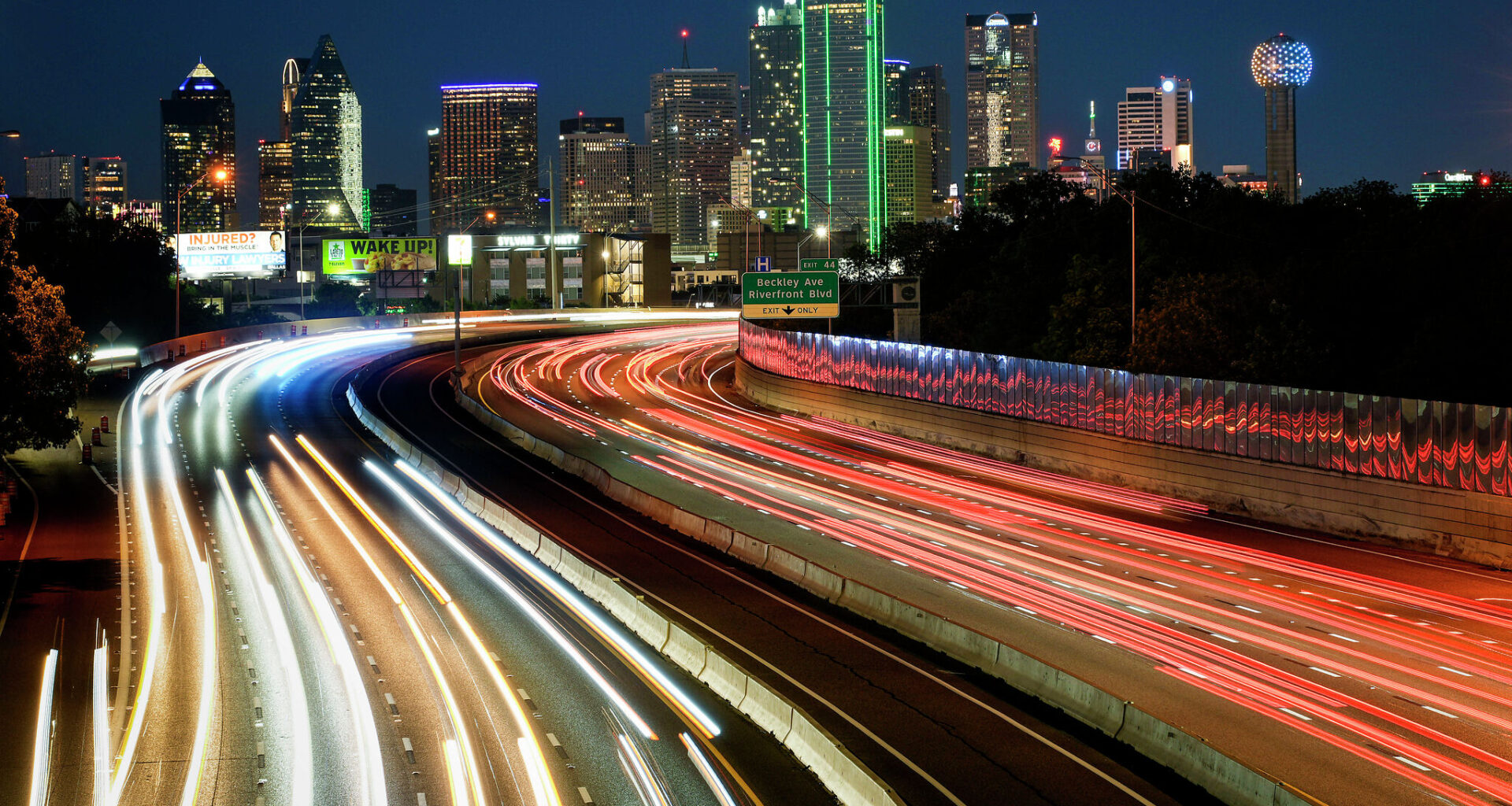
Dallas has had a lot of great stories recently. We are winning in corporate relocations. We are home to three public exchanges, the only city in the country which can make that claim. Scotia Bank is building a regional headquarters here. And there have been ribbon-cuttings for a shiny new campus for Goldman Sachs, a refresh for Bank of America, and others. These wins matter, and Dallas has earned its reputation as one of the most dynamic destinations in the country for corporate investment.
But there is a quieter truth every economic development professional knows: The companies you already have are your greatest asset. Keeping employers here and helping them grow in place is not a consolation prize next to headline-grabbing relocations. It is the foundation everything else is built on.
When people talk about Dallas losing companies, they picture a headquarters packing up for another state. The bigger, more persistent threat is closer to home. Companies do not need to leave Texas, or even the region, to leave Dallas. They just need to move a few miles down the highway to Plano, Frisco, Irving or Fort Worth, taking their payroll and tax base with them.
That is the quiet erosion Dallas must guard against and the reality that we have been seeing, and it is arguably a bigger risk than any out-of-state recruiter. The headquarters relocating to a neighboring suburb shows up years later as an empty office tower and a shrinking tax roll. Business retention is the antidote to that slow bleed — making sure a company’s answer to “should we move 20 minutes north when our lease is up?” is no.
Every business that stays in Dallas rather than decamping to a suburb preserves commercial property tax revenue, sales tax collections and the jobs base that funds streets, public safety, parks and schools. Every business that leaves takes all of that with it, and the city is left backfilling the loss with new development that takes years to materialize, if it comes at all.
If Dallas wants genuine, durable growth — not just headlines, but a tax base strong enough to fund the city’s priorities for the next decade — the smartest investment is protecting the revenue already here. It costs far less to keep a company that already calls Dallas home than to chase and incentivize a new one to replace it.
That is why the Dallas Economic Development Corporation has launched a Business Climate Survey which has been sent to the city’s 150 largest companies. We see it as an early warning system: Are you planning to expand in Dallas or relocate? What is standing in your way — workforce, permitting, cost, quality of life? Companies rarely announce a relocation decision the week they start thinking about it. That thinking happens quietly, often years in advance. A survey like this gives the city a chance to hear it early, while there’s still time to respond with a solution instead of waiting until a moving truck arrives.
Successful companies undergo something called an “exit” — that is a transfer of ownership in which a founder or early investor sells the business. The largest, most splashy kind of exit is an initial public offering of stock.
A Dallas EDC study on innovation and technology revealed that while we are good in exits, the city’s investment community and the city’s incentive structure have not supported early-stage companies enough. That is an area of focus for the EDC given that our diverse economy is a great environment for early-stage company formation.
Outside data backs this up. Startup Genome’s Global Startup Ecosystem Report shows Dallas-area exits from 2021 through 2025 totaled roughly $23 billion — about three times the global average. But early-stage funding still lags far behind that figure, meaning too many founders and too much reinvested capital are landing without a local pipeline of new startups to absorb them.
Exits do not happen in a vacuum — they are the result of a pipeline that starts years earlier with a founder, a small team, and a decision about where to build. A city good at producing exits but not at seeding what comes next is running on borrowed momentum.
If Dallas wants real economic growth, the city must double down on the businesses that start here and stay here as they scale — with particular focus on the industries where Dallas is already winning: financial services, advanced manufacturing, professional services, life sciences and technology.
Adjacent industries like semiconductors, defense and aerospace are ripe for growth in Dallas too. These sectors are driving the next generation of high-wage jobs and capital investment, and Dallas has a genuine head start in all.
The city’s job is to give early-stage companies in these industries a reason to start here, and every reason to stay as they grow — access to capital, lab and manufacturing space, talent pipelines and a business climate that doesn’t force a choice between staying in Dallas and expanding.
The 150 companies receiving this survey are not just being asked to fill out a form. They are being asked whether Dallas is listening — before the next lease renewal becomes a decision about which suburb to call home instead.
The survey is the beginning of a conversation toward building a relationship with the businesses that are making the city successful today. Dallas has a responsibility not only to business but to its residents to foster economic growth that benefits all of us. That is the mission and goal of the Dallas EDC, and should be the goal of every business and political leader in Dallas.
Linda McMahon is CEO of the Dallas Economic Development Corporation.
Have thoughts about this? Send a letter to the editor using our letters form or email letters@dallasnews.com. Letters should be no more than 200 words and include the first and last name of the writer and city of residence.