
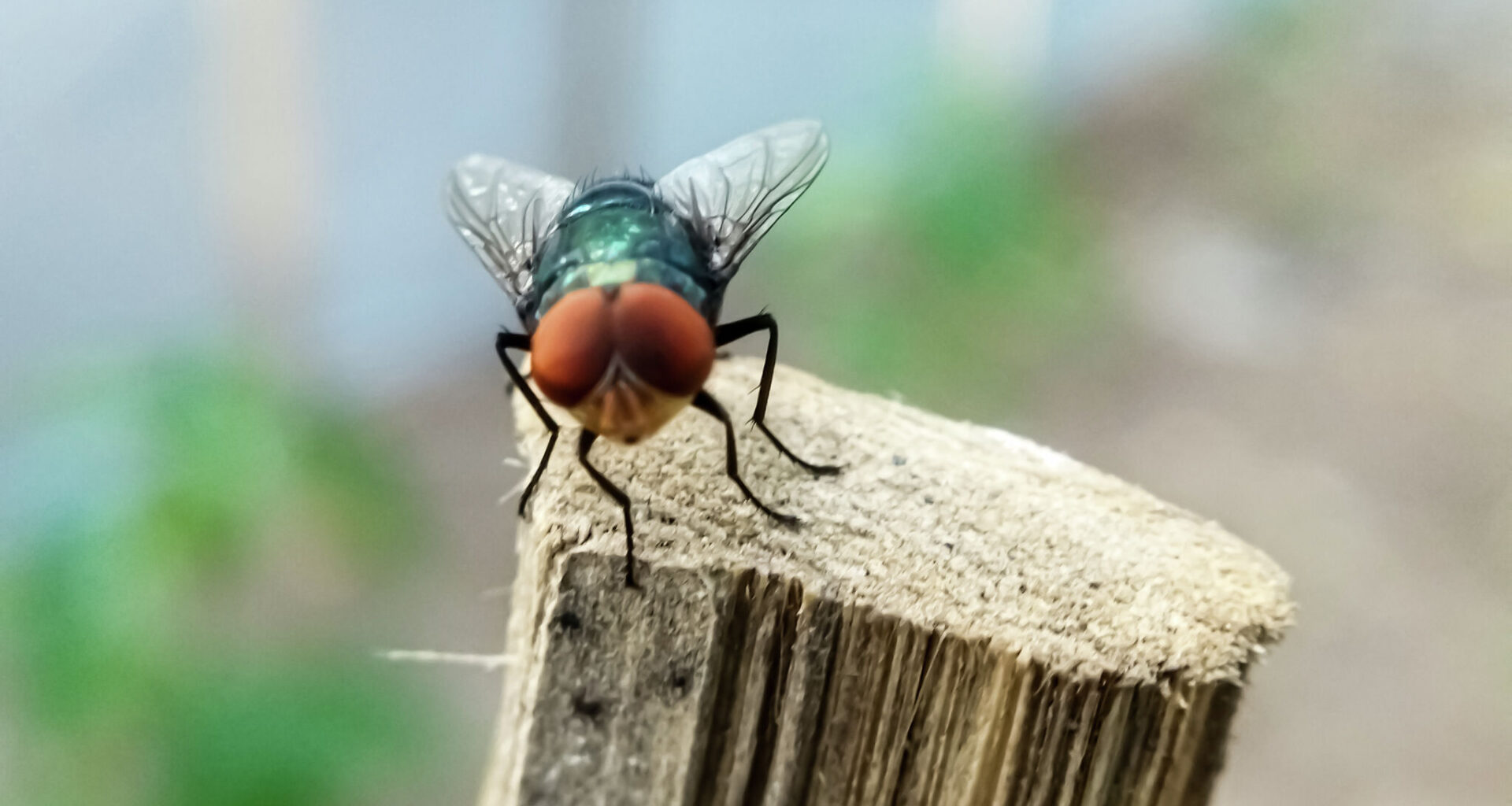
Texas is battling New World Screwworm, and they are looking for inspectors to join the fight.
On June 3, 2026, New World screwworm was confirmed in a calf in Zavala County, Texas. Now, the Texas Animal Health Commission and Texas A&M AgriLife have worked together to develop a NWS Certified Inspector Program. Certified inspectors can conduct inspections and issue NWS Treatment/Movement Certificates for animals leaving an NWS-infested zone.
This is a first-of-its-kind training program designed to train individuals on myiasis clinical identification, animal inspection, NWS treatment, and NWS movement requirements, and, if eligible, authorize NWS Certified Inspectors to allow movements out of NWS-infested zones. A phased roll out of the program is underway.
If veterinarians are actively enrolled in the Texas Authorized Personnel Program, you already meet all eligibility requirements for NWS Certified Inspector status. To issue NWS Treatment/Movement Certificates, current TAPP veterinarians need to create an account on the NWS Treatment/Movement web application using the email address on file with the Texas Animal Health Commission.
For prospective TAHC NWS Certified Inspectors, after successfully completing all modules and knowledge checks in the New World Screwworm Preparedness and Response Education course, participants must pass a final exam with 94% or higher accuracy to earn a Certificate of Completion, which includes a unique certificate number.
Participants who successfully complete the course, pass the final exam with a score of 94% or higher, and meet the eligibility requirements below may apply to become a TAHC NWS Certified Inspector.
New World screwworms are larvae or maggots of the NWS fly, that cause the painful condition NWS myiasis. NWS flies lay eggs in open wounds or orifices of live tissue. These eggs hatch into dangerous parasitic larvae, and the maggots burrow or screw into flesh with sharp mouth hooks. The wound can become larger, and an infestation can often cause serious, deadly damage. NWS primarily infest livestock, but can also affect mammals, including humans, and birds.
There are several flies associated with wounds, but only NWS feed on living tissues, compared to dead tissues and fluids. The identification of NWS is done by larval collection and evaluation. NWS larvae have a series of backwardly protruding spines around a tapered body, giving a screw-like appearance, helping to identify the pest.
Eradication of NWS infestations is accomplished through the sterile insect technique. Sterilized male flies are released to mate in an area with an established NWS population. Females, only mating once in their lifetime, then lay nonviable eggs. The population decreases without the addition of new larvae and dies off naturally over a few lifecycles.
In combination with producer management practices, effective and efficient treatment of wounds, and diligent response tactics, the sterile insect technique is a proven tool for fighting the spread of NWS. According to the USDA, the release of sterile flies is safe and poses no risk to wildlife, livestock, or people in infested areas.