
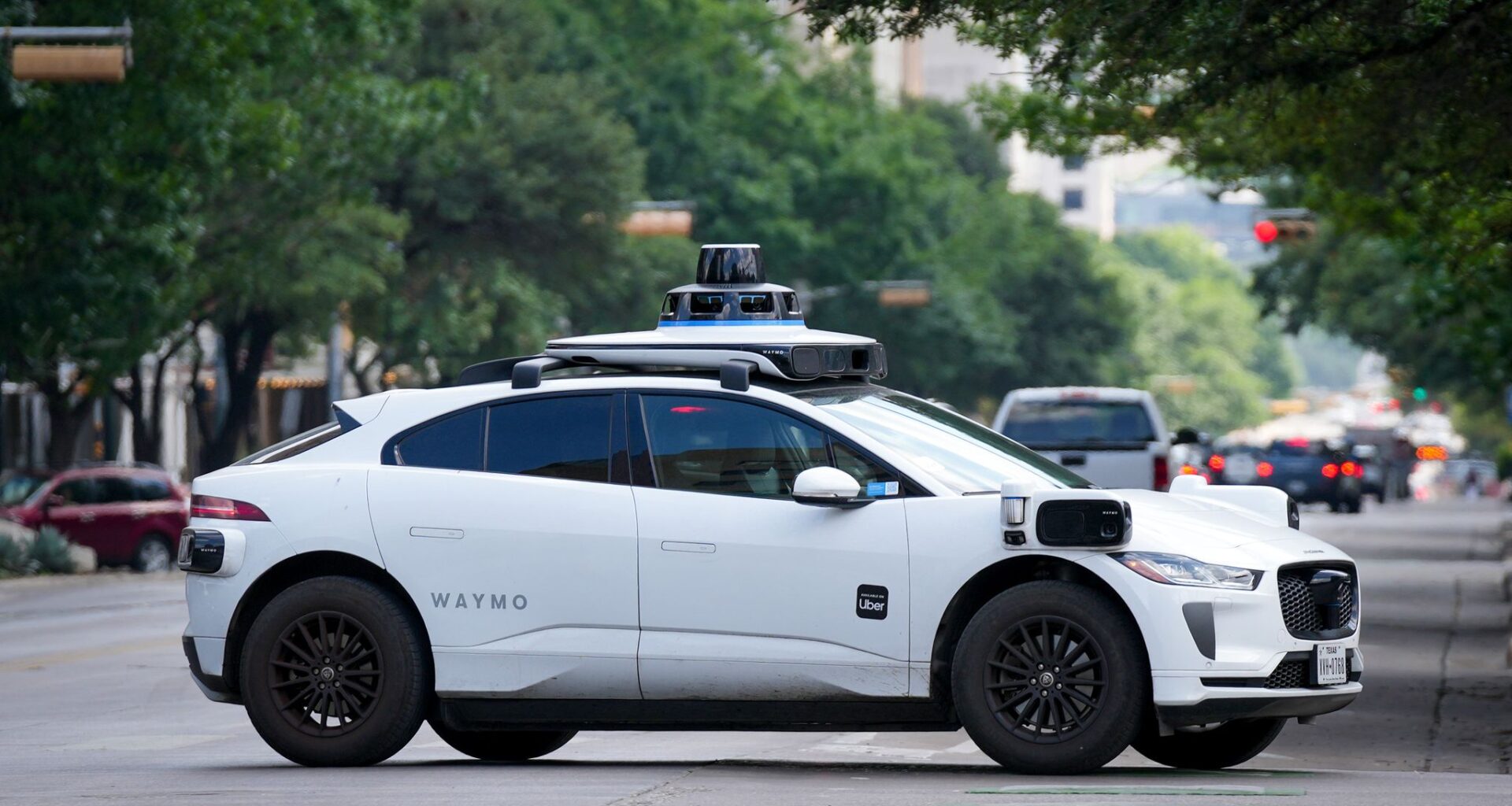
A Waymo robotaxi drives through downtown Austin on May 19. Waymo reportedly plans to operate independently in Austin after its partnership with Uber expires in 2028.
Jay Janner/Austin American-Statesman
Austin riders will have to use a new app to hail the city’s most common robotaxi after Waymo’s partnership with Uber expires in 2028.

Waymo, the autonomous vehicle arm of Google parent Alphabet, plans to operate independently in Austin once the agreement ends.
Article continues below this ad
“We believe in a vibrant and collaborative AV ecosystem that champions innovation and provides riders with a choice in how they experience this technology,” spokesperson Chris Pappas said in a statement. “This is essential to the industry’s future and to our vision of making the Waymo app and the safety of our technology available to riders everywhere.”
The split, first reported earlier this week, comes amid rising tensions between the two companies. Neither denied the report but both declined to provide details about their plans after the contract expires.
Waymo also operates through Uber in Atlanta but competes directly with the popular ride-hailing platform in most markets. Waymo, alongside Tesla Inc. and other companies, has also been lobbying for relaxed autonomous vehicle regulations, directly opposing Uber’s own lobbying on the matter. The companies ended their partnership in Phoenix at the conclusion of their contract.
Uber CEO Dara Khosrowshahi told investors Wednesday morning that the ride-hailing and delivery company expects to continue operating with Waymo in Austin and Atlanta next year, saying the “on-the-ground partnership continues to be very strong.”
Article continues below this ad
“At the same time, we want to make sure that we’re not dependent on one partner,” he said. “And we’re absolutely seeing a plethora of newer players in the AV ecosystem, just like you see in the foundation model space. And while we continue to provide a great service with Waymo in Austin, Atlanta, we’ll continue to build our services with our other players as well.”
Unnamed sources told the Financial Times that the two companies clashed over the quality of service, often blaming each other for issues of cleanliness, availability and consumer complaints.
Despite the potential end of its partnership with Waymo, Uber has been betting big on self-driving robotaxis. The company told investors Wednesday that it plans to commit more than $10 billion to “bring AVs to market at scale.” Despite revenue growth, its stock fell after bookings and earnings guidance trailed analysts’ expectations.
Waymo’s growth comes with scrutiny
Waymo has operated through Uber in Austin since launching publicly in March 2025. The company has more than 300 self-driving vehicles in the city, easily making it the largest operator in Austin’s autonomous vehicle market.
Article continues below this ad
Waymo has faced criticism for failing to stop for school buses or follow law enforcement orders and for obstructing first responders, including during a shooting on West Sixth Street earlier this year. In January, the National Transportation Safety Board launched an investigation into Waymo’s operations in Austin after its robotaxis were found to have illegally passed stopped school buses in the city.
Residents have also complained that Waymo’s vehicles drive erratically, make too much noise and otherwise create nuisances. A temporary charging station near Lady Bird Lake also drew criticism for loud generators. Waymo referred questions on the matter to Uber.
Waymo robotaxis charge near the Ann and Roy Butler Hike-and-Bike Trail along Lady Bird Lake in Austin on May 26.
Jay Janner/Austin American-Statesman
The initial partnership with Waymo was promising for Uber, which sold its in-house robotaxi arm in 2020. The ride-hailing company has committed more than $10 billion in the last year to robotaxi fleet agreements, including one with Tesla competitor Rivian.
Article continues below this ad
Waymo currently operates on its own platform in Dallas and San Antonio, although service in San Antonio was temporarily suspended after an unoccupied vehicle was swept into a waterway during flooding in April.