
Following an initial scare from a preliminary concept that the rodeo says took away precious real estate, leaders are working more closely with Bexar County.
SAN ANTONIO — The San Antonio Stock Show & Rodeo says an early redevelopment concept for the Freeman Coliseum grounds it calls home would have prevented it from delivering on promises made to voters during last year’s campaign supporting a $192 million funding allocation.
Bexar County voters approved Proposition A in November 2025, dedicating $192 million to modernize the Freeman Coliseum campus—shaping its future for when the Spurs depart for a downtown arena. Rodeo leaders, including CEO Cody Davenport, campaigned for the measure, promoting expanded year-round programming, new facilities and continued growth for the nonprofit.

This story continues below.
In May 2025, the Commissioners Court was presented with a plan that would inform voters’ expectations months later, including multi-use “flex” buildings, a modernized expo hall and a new gate highlighting the Stock Show & Rodeo’s presence.
In November 2025, Bexar County voters easily approved Proposition A to allocate money generated from hotel sales tax revenue and a slight increase in the rental car tax to the redevelopment effort.
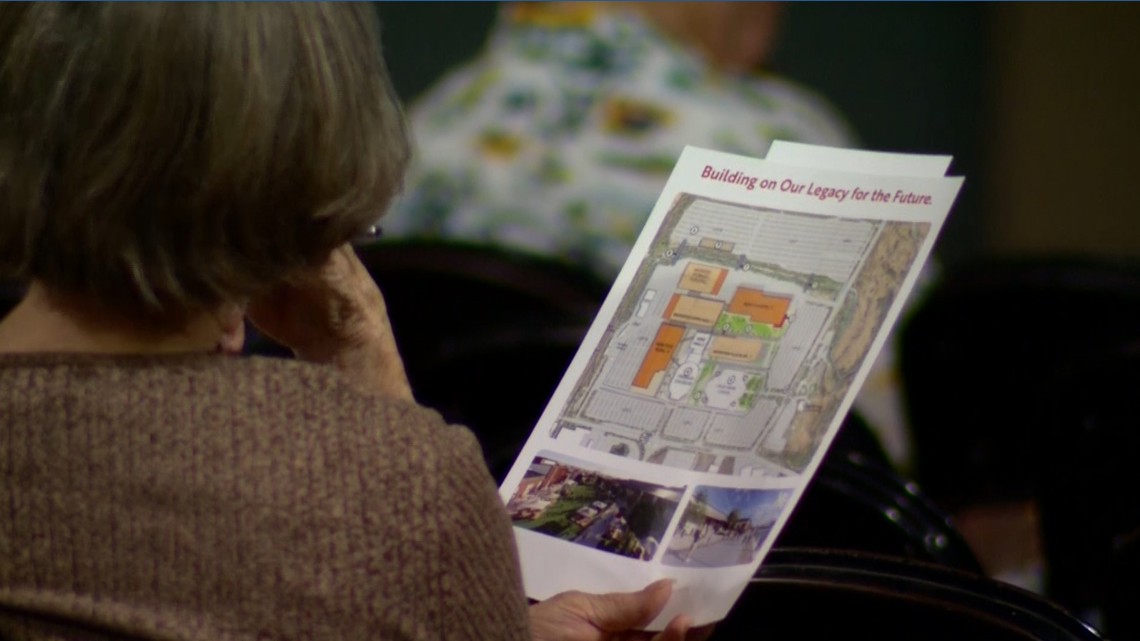
But it was shortly after the election that Davenport says representatives of El Paso-based Hunt Companies arrived and showed an early concept—one densely packed with additional elements like a hotel and cultural hubs.
He said the organization welcomes additional development but not at the expense of the rodeo’s operations. And while the rodeo is hopeful upgrades can more than double its yearly economic impact ($367 million in 2025), he said the Hunt concept neutered those ambitions by appearing to take away a precious asset: Land.
“It displaced the rodeo operations,” Davenport said. “It took over these grounds here for the most part, enough that we’re displaced and we can’t run our stock show, (which is) basically who we are.”
It created confusion for Davenport and rodeo executives at a time when they hoped to have been embarking on the next stages of planning. He said they weren’t privy to the Hunt collaboration (the company responded to a Request for Qualifications (RFQ) from Bexar County before the 2025 vote), adding the rodeo “would have engaged in a campaign if these plans were any part of it whatsoever.”
Hunt first met with rodeo leadership in August 2025 to review the plans they had created, according to Rodney Moss, senior vice president of public private partnerships at Hunt Real Estate & Infrastructure.
“Our concepts were developed to be compatible with the rodeo’s continued growth and success,” Moss said in a statement. “Since then, we’ve remained ready to meet with rodeo leadership to continue those discussions whenever it’s helpful.”
Moss added that the concept depicting a much busier redevelopment effort at the Freeman Coliseum/Frost Bank Center grounds “was a preliminary concept demonstrating financial feasibility, as the RFQ required.”
Davenport, meanwhile, recalls thinking the rendering conflicted with what voters approved.
“We were very clear this was not anything we believed in, backed or would be a part of—nor was it anything we campaigned upon,” Davenport said.
‘We could have headed all this off’
Davenport says he believes earlier communication could have prevented the period of disagreement.
“Things went awry. There was mixed messaging and confusion, and they put the brakes on,” said Davenport, who has been CEO since 2018. “If we had been communicated with in the process, if very early on they pulled us in, we could have headed all this off early on.”
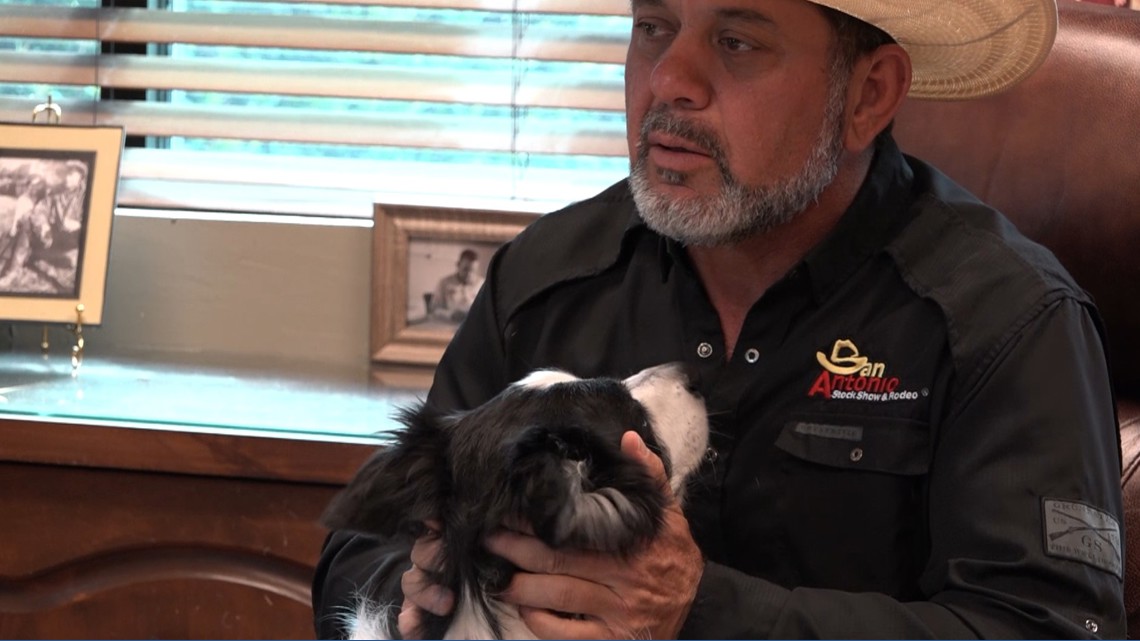
Days after the rodeo he helps lead released a PSA called “Honoring the Promise” – referencing the organization’s dedication to the east side and Texas youth it raises millions for every year – Davenport said he felt several months ago that a promise to them been broken.
“We feel we were excluded, not represented nor protected in the process,” he said.
The rodeo estimates about 1.5 million people visit the event each February. Davenport said large-scale festivals require extensive parking, staging areas and flexibility that cannot be condensed without affecting operations.
“You can’t displace parking, you can’t displace real estate that you need for layout and flexibility to run festivals,” he said.
Commissioners’ action signals progress, rodeo says
A sign of unity arrived Tuesday, when the Commissioners Court approved allowing County Judge Peter Sakai to execute a grant and development agreement with rodeo officials and the Community Arenas Board.
It marks the start of substantial talks between the three groups regarding the future of the rodeo grounds. A final agreement could be ratified by the court at a future meeting this month. Gensler, based in San Antonio, is the architectural partner on the initiative.
Davenport also emphasizes that county commissioners have been brought “up to speed” and have been largely supportive of the rodeo’s ambitions.
“They realized what’s taken place and they’re really coming on our side and saying, ‘Nope, we’re gonna deliver what voters voted for,'” he said.
The rodeo has also gotten a vote of support from the Greater San Antonio Chamber of Commerce, which last week said the redevelopment “should not conflict, displace or diminish rodeo operations.”
But Davenport called Tuesday’s vote one early step. His focus is on securing a licensing agreement—essentially a lease agreement putting down in ink that the rodeo will be able to remain on the grounds.
He said he’d like to secure a lease agreement that keeps them there for at least the next 25 to 30 years.
“Inside of that license agreement will be the protection for our county that they will get what they voted for, and the San Antonio Stock Show & Rodeo will be able to deliver what they promised,” Davenport said. “We have to protect the voters that backed us… we’re not budging on that.”
The rodeo hopes to finalize that agreement sometime in 2026.