

The 2026-27 school year marks the first full year Fort Worth ISD will operate under a state takeover. While state-appointed Superintendent Peter Licata hopes to ease the fears of community members of what’s coming, teachers and parents are still bracing for changes that will shape the district’s operations inside and outside the classroom.
In March, Texas Education Commissioner Mike Morath appointed Licata to the superintendent position alongside a nine-person Board of Managers that temporarily replaces the elected school board. Their appointments come after years of stagnant academic performance in the district.
During the summer and the tail end of the 2025-26 school year, district leaders implemented notable, and sometimes controversial, changes. These included several staff cuts, closure of the district’s only campus dedicated to serving immigrant and refugee students, and board policy changes impacting legal procedures and rights of employees.
Administrators have also raced to fill teacher vacancies with the goal of having zero open positions by the first day of school. Licata reported five classroom teaching vacancies, as of Aug. 3.
In an interview with the Star-Telegram, Licata addressed tensions around the state takeover and what it will mean for students and families. He’s hoping the anxiety will be reduced once the community sees what’s in store for the school year.
“We’ve been lurking for three months but really not implementing anything other than changes in the building and changes to budget. Now it’s time we actually implement what we’re doing. I’m excited about the relief of, ‘OK, now we know what it is, and now we know it’s not everything everyone said it is,’” Licata said.
 Peter Licata will face his first school year as superintendent for the Fort Worth school district after being appointed by the Texas Education Agency. Abigail Dollins Fort Worth Star-Telegram
Looking at state test scores for the district, Licata said he wants proficiency rates to increase by at least 10 percentage points by the end of this school year. In spring 2026, 39% of third graders were meeting grade level in reading, while 37% were meeting grade level in math.
“It is teaching to a test. I’m never going to deny that, but that’s what the standards are,” Licata said. “We don’t want to be (at “proficient”). We want to be at “mastered” and move them up. But you have to align what you’re teaching to what is being tested because we have to assume that the brains that built these tests understand that this is the minimum standard of students to be considered achievement.”
Elevate Network will give increased attention to FWISD’s lowest-performing schools
Among the largest and most tangible changes made by Licata and the Board of Managers since their appointment has been the creation of the Elevate Network, which includes 19 of the district’s lowest-performing campuses.
At Elevate schools, students will receive what district leaders describe as stronger, more consistent instruction. It will also include more coaching, clearer expectations and faster support when students need it. Schools in the network will also have a longer school year that stretches further into the summer, student-teachers training to become full-time educators, support staff for teachers during lessons and group instruction, and higher teacher pay.
“At schools in the Elevate Network, you’re going to see it be very, very systematic to an extent,” Licata said. “It will really feel like you can go from one classroom to the next at an Elevate campus and you’ll see the same thing going on exactly.”
 Sharpened pencils stand ready in a third grade classroom at Rufino Mendoza Elementary School on Wednesday, July 29, 2026. Rufino Mendoza Elementary is one of the 19 low-performing schools that make up Fort Worth Independent School District’s new Elevate network. Principal Katy Myers Allis said all classrooms will have a caddy of materials the students need at reach at their desks. Amanda McCoy FORT WORTH STAR-TELEGRAM
Elevate schools will be overseen by their own regional district office as part of Licata’s plan to reorganize how the district provides assistance and resources to campuses. Regional offices include a hub for Central campuses, North campuses, South campuses, and Elevate campuses.
In order for a school to “graduate” out of the Elevate Network, it will need to produce a grade of C or better in the state’s annual accountability rating system and show improved STAAR exam results for two consecutive years, Licata said. He believes some will come out in two years, while others that aren’t designed for Elevate now could fall into that category.
“I’ve been around long enough to know that I’ve seen D-rated schools become A schools or B schools, and the next thing you know, you pull all the resources and now we’re scrambling to even just get out of D again,” Licata said. “So we have to be careful of that — that’s why we’re setting that two-year standard for it.”
At Rufino Mendoza Elementary, an Elevate campus that has received an F grade two years in a row, Principal Katy Myers Allis is already working on setting up her classrooms to comply with district standards for Elevate schools. Standard Elevate classrooms will focus on a tighter, more structured instructional model. Curriculum will be heavily scripted and shared across all Elevate campuses, so pacing, engagement strategies and monitoring are consistent from classroom to classroom.
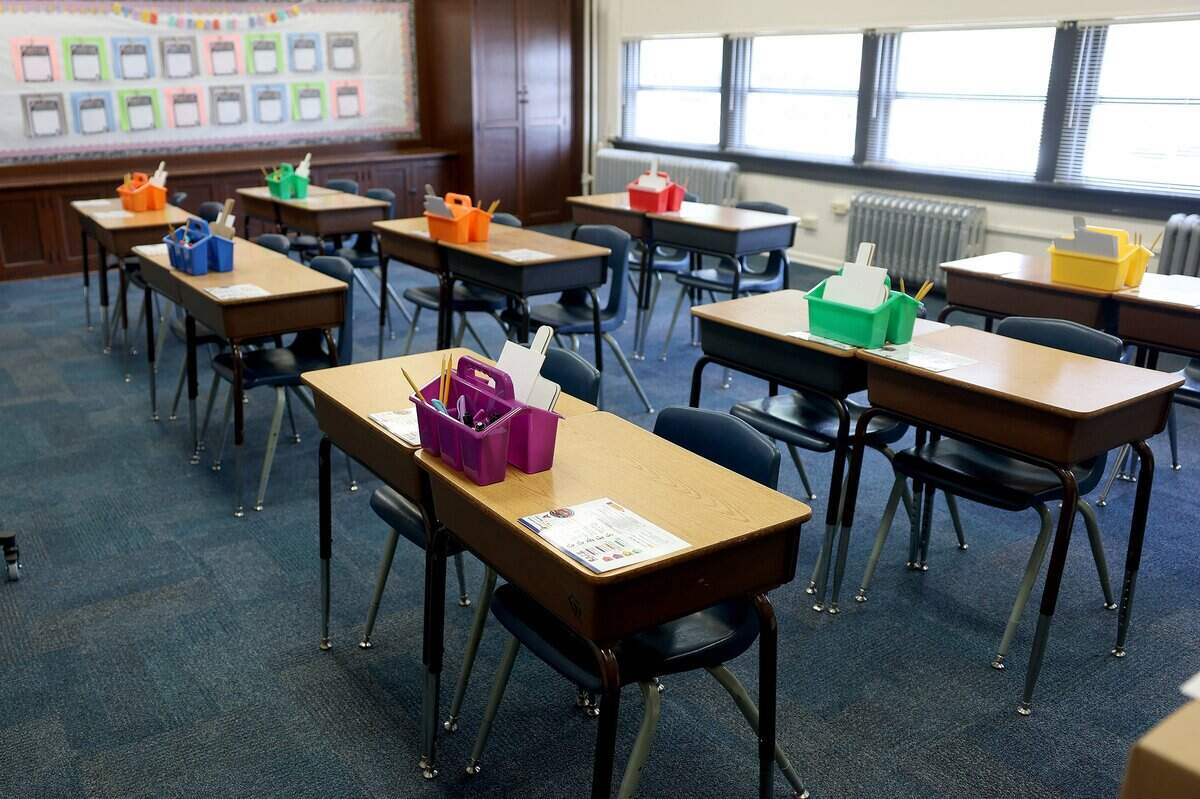 Caddies of pens, pencils, note cards and other supplies sit on desks in a third grade classroom at Rufino Mendoza Elementary School on Wednesday, July 29, 2026. Principal Katy Myers Allis said all classrooms will have students sit in pairs with supplies at the ready. Amanda McCoy FORT WORTH STAR-TELEGRAM
Students will also get repeated opportunities to practice grade-level standards, and desks in Elevate classrooms are set in pairs so every student has a partner to work through problems with. At the end of each day, teachers will hold a “demonstration of learning” to check for understanding and ensure students mastered the standard being taught that day.
“The instructional model will follow a lot more structure, and so it’s going to be very intensive in the best way,” Myers Allis said. “In Elevate, we’re giving our teachers the training, and we’re also giving our students the materials to really practice the standards as many times as possible so they can get to mastery as fast as possible. It’s a tighter instruction model with more resources.”
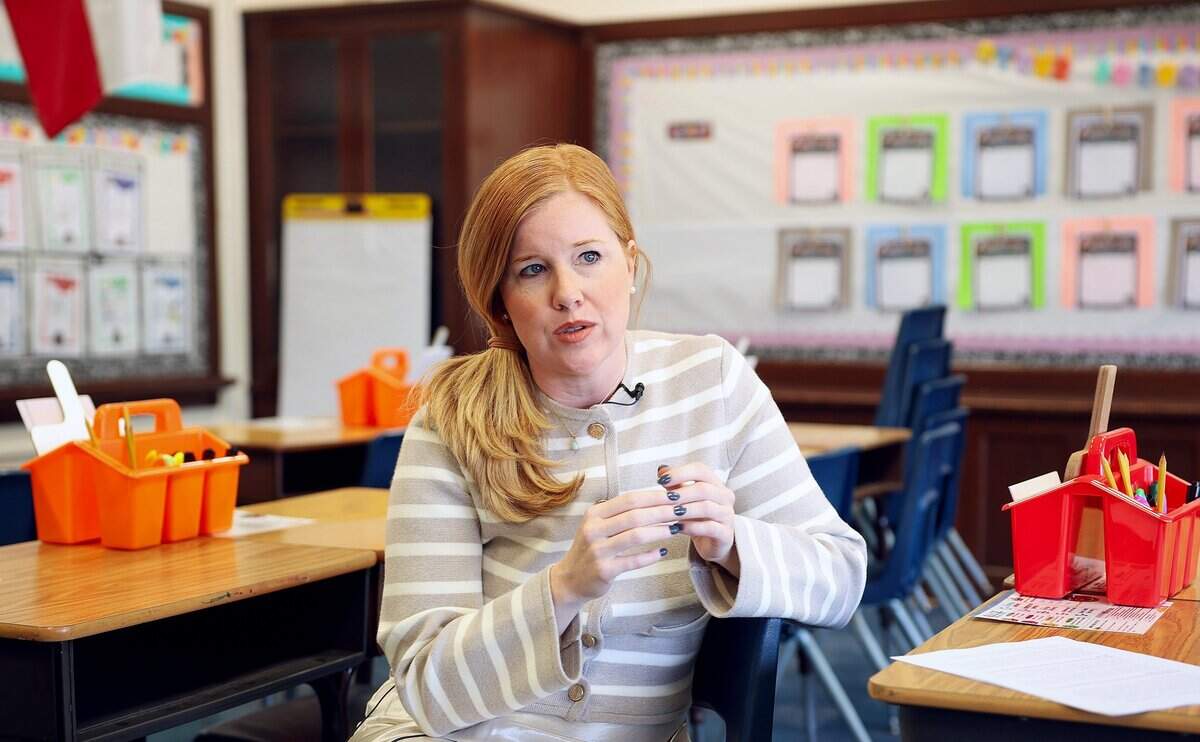 Rufino Mendoza Elementary School Principal Katy Myers Allis talks about how instruction will be different in the upcoming school year on Wednesday, July 29, 2026, in Fort Worth. Rufino Mendoza is one of the schools that will make up the Elevate network. Amanda McCoy FORT WORTH STAR-TELEGRAM
Once a student shows they have mastered the grade-level material, they will then be moved to a mastery lab, or as Myers Allis is calling it at Rufino Mendoza, the Longhorn Lab. That’s where students will transition to a classroom setting where instruction will go beyond on-grade level content.
“Those students are going to go beyond their grade level by doing extension activities from the main lessons, so that way their brains are stretching,” Myers Allis said. “Now that they’re being stretched, you are going to see a lot of opportunities come our way that maybe our neighborhood wouldn’t have gotten before.”
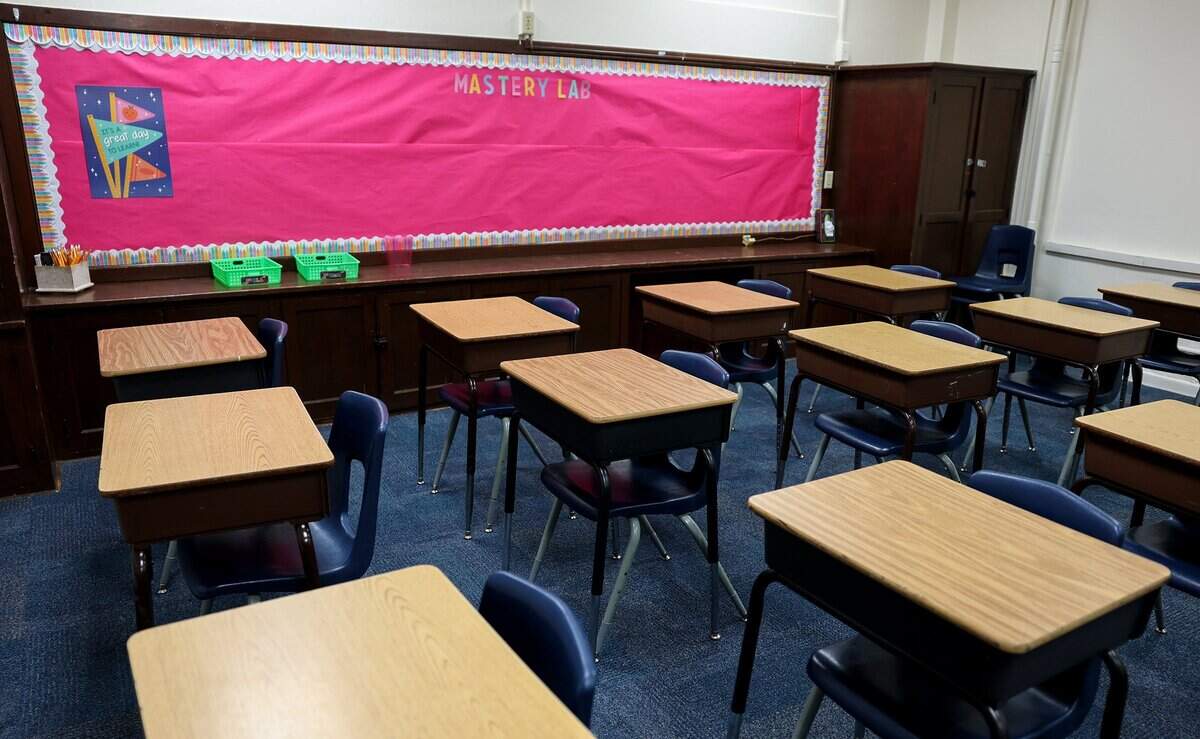 One of the two mastery labs at Rufino Mendoza Elementary School on Wednesday, July 29, 2026, in Fort Worth. Amanda McCoy FORT WORTH STAR-TELEGRAM
Teachers will have to follow much stricter rules and guidelines related to how they run their classrooms, but a number of online rumors about Elevate classes are false, Licata said.
“It’s a very systematic approach to education,” Licata said. “There will be comprehensive activities going on, but we know it’s not everything everyone out there has said it is. We’re not getting rid of sports, we’re not closing media centers. Teachers are allowed to have coffee at their desks. We’re not getting rid of pep rallies or field days.”
One thing that will be eliminated at Elevate campuses is showing full-length feature films during class periods. While showing film clips during class can be an effective way to teach lessons, full-length movies take away too much instruction time, Licata said.
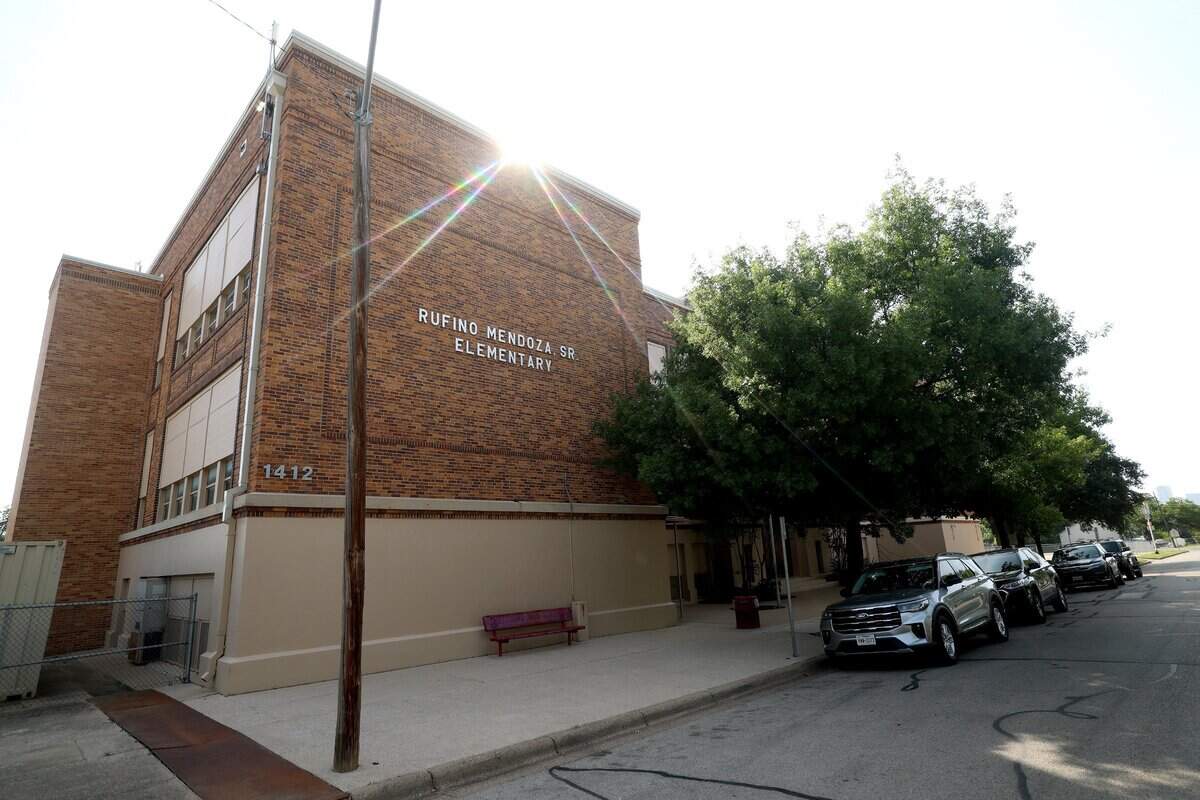 Rufino Mendoza Elementary School is one of the 19 low-performing schools that make up Fort Worth Independent School District’s new Elevate network. The Elevate schools will receive additional resources and staffing. Amanda McCoy FORT WORTH STAR-TELEGRAM
“Is school going to be all unicorns and rainbows? No,” Licata said. “School is going to be about school and learning. But we’re not going to take all the fun out of it. We want teachers’ voices to be heard constantly. We just want to make sure that they’re all saying the same words.
“And when you’re this far behind the eight ball, you really have to scale back and just think about what the priorities are.”
Some schools earn autonomy status
Eight Fort Worth ISD schools have earned the ability to operate more independently than other schools, district officials announced the week before school starts. Although those campuses will still be held to the same uniform curriculum and standards as the rest of the district, there will be less attention placed on them since they’ve achieved notable student performance outcomes.
The schools received both an overall A rating from the Texas Education Agency for three consecutive years and an A rating for three consecutive years in the student achievement category, which is one of three domains included in the calculation of a school’s overall A-F letter grade.
During a Tuesday night town hall with Fort Worth ISD leaders hosted by State Rep. Nicole Collier, Deputy Superintendent and Chief of Schools Daniel Soliz noted that the autonomy component refers to those schools’ schedules, staffing models and budgets.
“They will still deliver instruction as we have defined over the… last week with principals and have trained teachers over this past week with what Fort Worth ISD’s instructional model is. They do have autonomy in their day-to-day operations as a school. Things like master schedule, their staffing models, their budgets — they have a little bit more autonomy in what they want to do for their school and their community,” Soliz said.
“However, how we define high-quality instruction and the indicators of which we rate high-quality instruction remain unchanged, even for those schools that have the highest levels of autonomy,” he added.
The schools with earned autonomy are:
Young Women’s Leadership AcademyTexas Academy of Biomedical SciencesMarine Creek Collegiate High SchoolTCC South Collegiate High SchoolI.M. Terrell Academy for STEM and VPATanglewood Elementary SchoolWestpark Elementary SchoolOverton Park Elementary School
The schools either have specialized programs or are based in wealthier communities of Fort Worth. The majority of student populations at each of the elementary schools are predominantly white, and the percentage of economically disadvantaged students ranges from about 6% at Overton Park Elementary to 40% at Westpark Elementary. The percentage of third graders reading on grade level in spring 2026 ranges from 68-86%, TEA data shows.
State-appointed district leaders, parents clashed this summer over sweeping changes
Parents and Fort Worth community members loudly voiced their concerns about several changes made by Licata and the Board of Managers since their appointment by the TEA in March. A number of board meetings featured well over 100 speakers during public comment sessions.
The relationship between the board and the community has gotten so contentious that Licata told the hundreds in attendance at an April board meeting that comments made toward the board offended him. That came after the board voted to close International Newcomer Academy despite hundreds speaking in support of the school during the public comment portion of the meeting.
“Some of the things that were said were very offensive,” Licata told attendees before the board went to a final vote. “We are going to get through this because we’re working for kids. Change is hard, this is difficult. I understand that and I am fine with that. Just because we think we’re doing our best, doesn’t mean we are.”
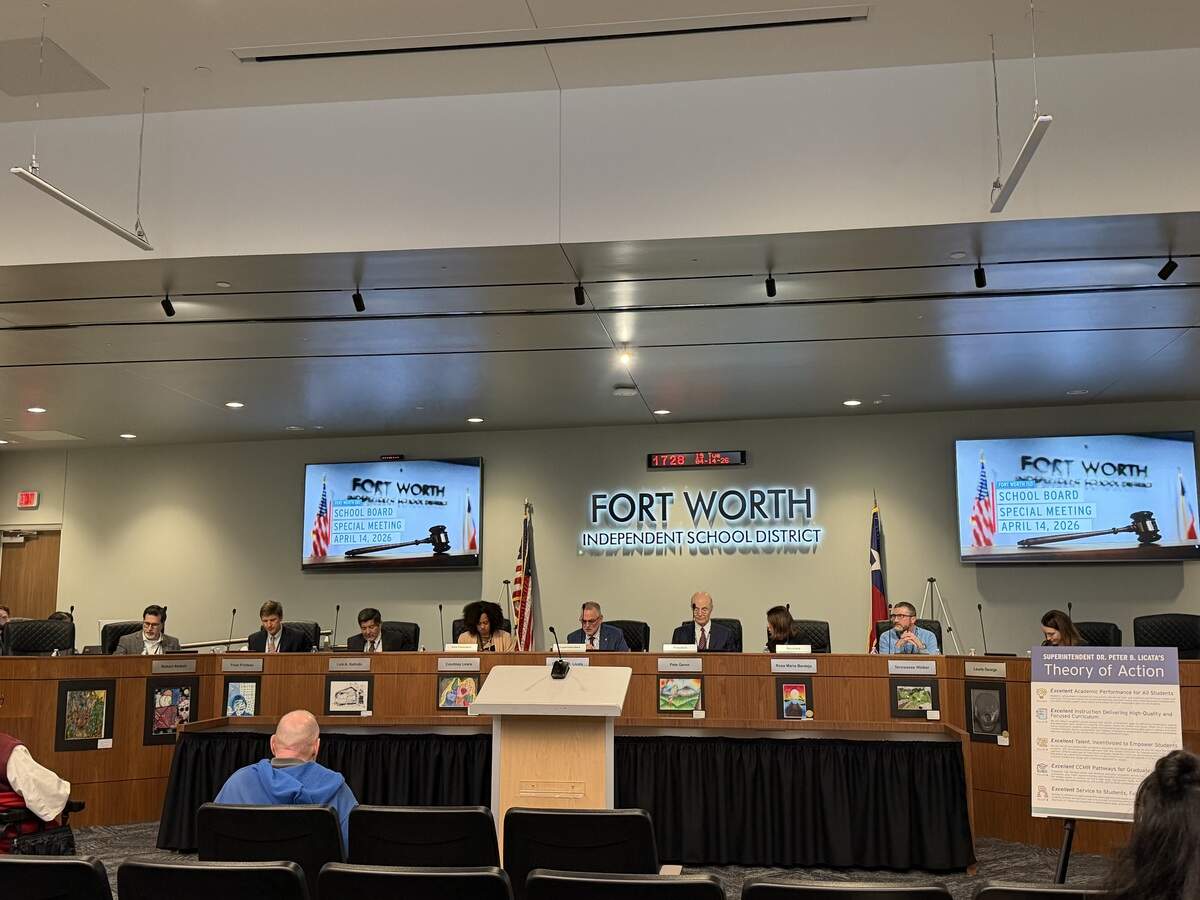 Fort Worth ISD’s state-appointed Board of Managers held a special meeting on April 14. Samuel O’Neal FORT WORTH STAR-TELEGRAM
Several parents have told the Star-Telegram during the summer they are concerned about the uncertainty surrounding the district heading into the 2026-27 school year. Between mass teaching changes, nearly 40% of campuses getting a new principal, and sweeping changes to how the district operates, uncertainty from parents is at an all-time high, said Trenace Dorsey-Hollins, founder and executive director of Parent Shield Fort Worth, an education advocacy group.
But the best way for apprehension to dissipate, Dorsey-Hollins said, is for parents to start seeing results.
“Some of that uncertainty will go away once we start seeing real results that show improvement in closing the gap between the district and the state,” Dorsey-Hollins said. “Basically putting your money where your mouth is. They have come in and made all these massive changes and cuts. And the community, I can’t say they’ve been quiet. The only way we’re going to ease up and stop is when we see these results working for our kids.”
Licata and his team are confident those results will come. He prepared for mass pushback when Morath first appointed him as Fort Worth ISD’s superintendent. He understands where concerned parents are coming from and believes their hearts are in the right place. The results will come, but it will take time, he said.
But in the meantime, the focus should remain on student outcomes and not on outside noise, Licata said.
“Turnaround work is hard because you have to change people’s thinking and people’s comfort zone,” Licata said. “But we have an objective to do. We know this works, but we also know that a lot of people are anxious about what it’s going to be. There is always going to be some angst against it because it’s an intervention. That’s not something I can change.”
Teachers brace for last-minute changes
Steven Poole, executive director of the United Educators Association, said teachers were receiving piecemeal directions of how to structure their classrooms this year in the weeks leading up to the first day of school and before they returned to their campuses.
“Some teachers at some schools have been told, specifically, ‘You can’t have this, that, or another in your classroom.’ Others haven’t been told anything. So there hasn’t been uniform direction from the district yet on those kinds of things that affect the classroom,” Poole said.
Scripted lessons are expected to be expanded to other subjects beyond the core subjects, too, he said. As teachers go back to work and prepare for students to return, changes are still in flux.
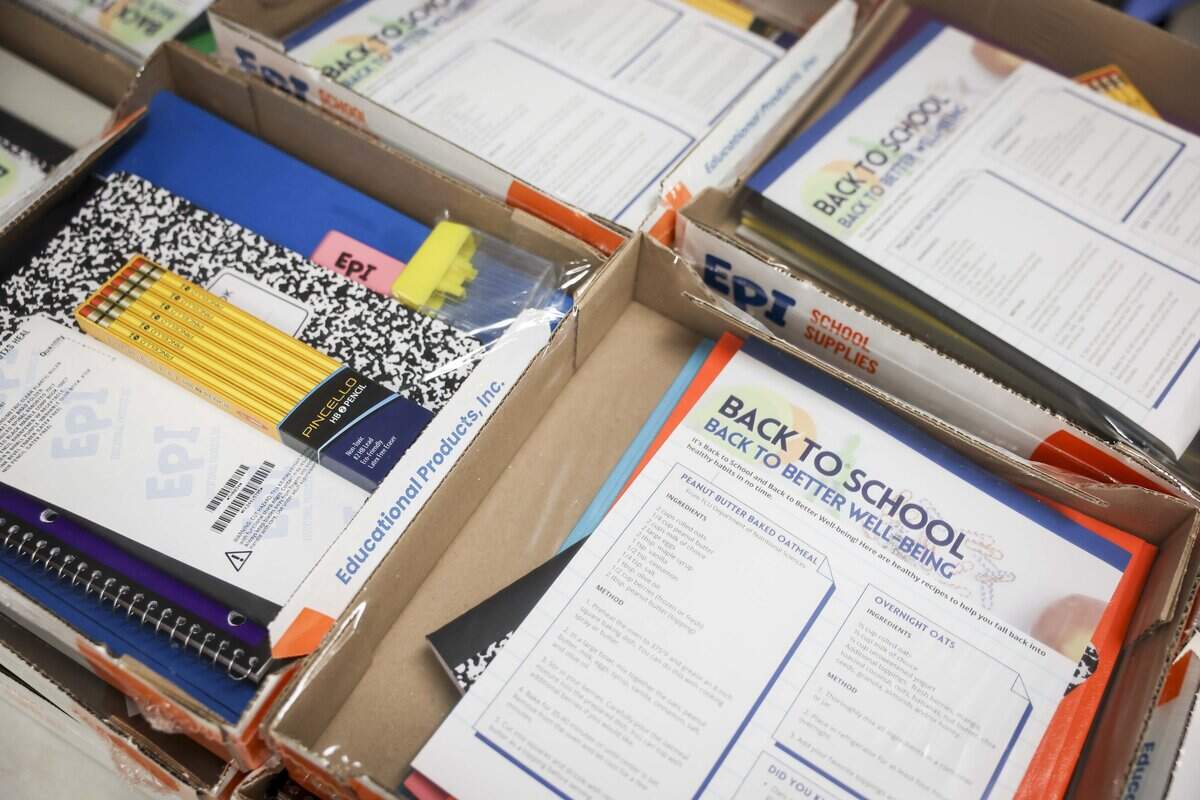 Southside Community Center gives away school supplies ahead of the 2026-2027 school year on Friday, July 31, 2026, in Fort Worth. Abigail Dollins FORT WORTH STAR-TELEGRAM
For example, teachers’ professional development plans were changed at the last minute in the last week of July, Poole said. Instead of reporting to various locations throughout the district based on their subject, they were told to report to their school instead.
“The district’s going to have to do a really good job communicating with teachers because change is stressful, and especially when it’s last-minute change,” Poole said.
Poole hopes the district delivers on its goal to fill all teacher vacancies by the first day. If not, teachers fear there will be bigger classroom sizes, especially as the district continues its process of school closures that were decided before the state takeover. Milton L. Kirkpatrick Elementary, Charles E. Nash Elementary, Riverside Applied Learning Center and Edward J. Briscoe Elementary schools closed this summer.
“When we do consolidate and lose employees through consolidation, there is that natural fear that the remaining class sizes are going to be large. So we’ll see probably after the first day of school exactly what those class sizes look like,” Poole said.
During the Tuesday night town hall hosted by State Rep. Collier, Licata noted there were five teacher vacancies open that the district still intended to fill by the first day.
Students return to class on Aug. 10.
 The Wallace family picks up school supplies during a giveaway as the 2026-2027 school year approaches on Friday, July 31, 2026, at the Southside Community Center in Fort Worth. Abigail Dollins FORT WORTH STAR-TELEGRAM

Fort Worth Star-Telegram
Samuel O’Neal is the K-12 Education Reporter at the Fort Worth Star-Telegram, covering public schools and policy that impacts them. He previously worked as a staff writer at the Philadelphia Inquirer and is a graduate of Temple University.

Fort Worth Star-Telegram
Lina Ruiz covers early childhood education in Tarrant County and North Texas for the Fort Worth Star-Telegram. A University of Florida graduate, she previously wrote about local government in South Florida for TCPalm and Treasure Coast Newspapers.