
As development pushes farther north, local leaders say Collin County’s future depends on planning beyond city limits
Collin County’s growth is visible everywhere: along major corridors, inside mixed-use developments and in the daily traffic patterns of residents moving between home, work, school and entertainment. But behind that growth is a less visible question: Can the infrastructure keep up?
The answer will shape the county’s next chapter. Roads, water, utilities, airports, parks and public spaces are more than just background systems. They form the foundation that determines how people live, how businesses grow and whether a fast-growing region will remain a desirable place for future generations.
The story is part of Collin County Celebrates, a countywide initiative launched by the Collin County Business Alliance in honor of its 15th anniversary and the nation’s 250th anniversary.
More Than One Project
For former McKinney Mayor George Fuller, understanding Collin County’s growth over the last 15 years requires looking at the bigger picture. “The transformation of Collin County over the last 15 years has really been driven by several interconnected projects rather than any single development,” Fuller says.
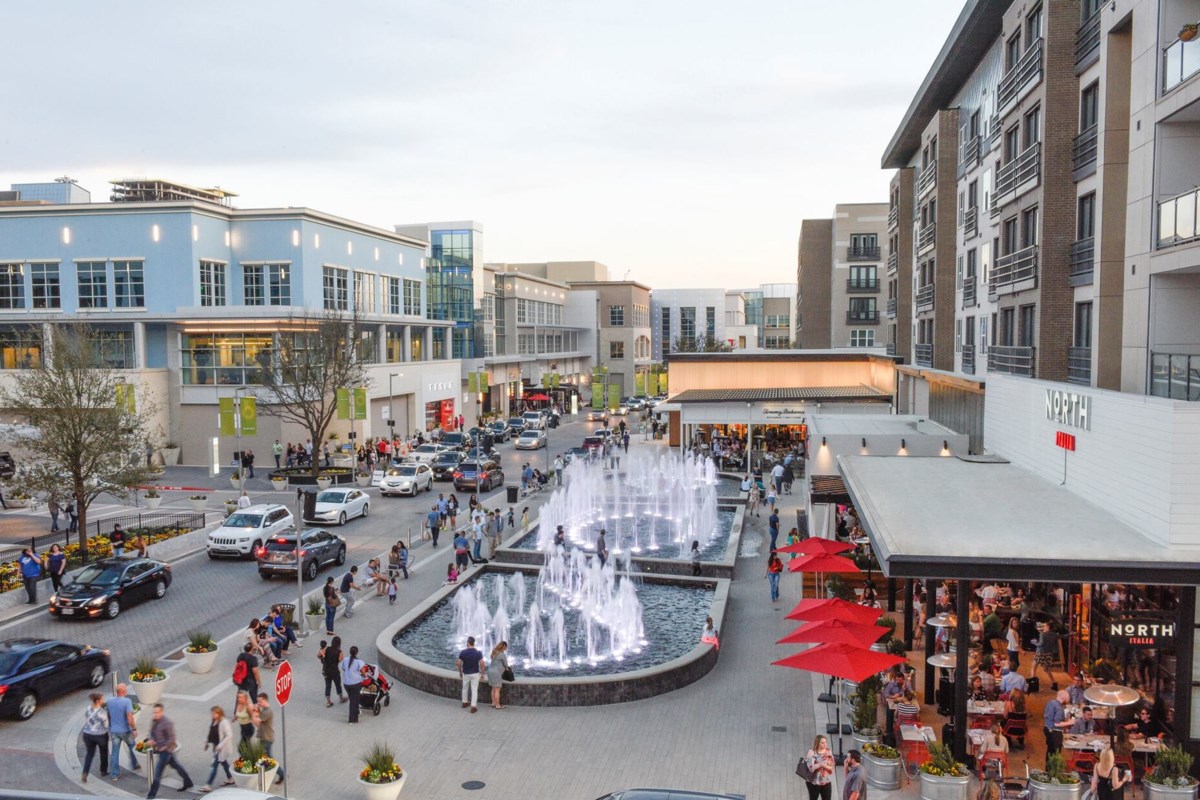
He points to the Legacy West corridor in Plano as one of the projects that fundamentally shifted Collin County’s national perception. By attracting major corporate headquarters and creating an urban, walkable business environment, the corridor helped prove the region could compete with major metropolitan hubs.
At the same time, Fuller says the explosive growth along the U.S. 380 corridor has reshaped the county’s physical and economic geography. Stretching from Frisco through McKinney and eastward, the corridor has helped connect mixed-use developments, entertainment destinations and employment centers into what he describes as “one interconnected regional economy.”
This shift means Collin County no longer operates as a collection of isolated communities. Instead, it’s evolved into a regional network where decisions in one city affect mobility, business growth and quality of life across the county.
The Infrastructure People Do Not Always See
For Jenna Covington, PE, BCEE, executive director and general manager of North Texas Municipal Water District (NTMWD), one of the most essential collaborations in Collin County’s history began with something people often take for granted: water.
As the NTMWD celebrates its 75th anniversary, Covington reflects on the organization’s beginnings. Now serving more than 2.4 million residents, the district was created by forward-looking leaders from 10 cities, including five from Collin County, who understood the region could not thrive without a reliable water supply.
“They joined together to form NTMWD, with a vision to regionalize water delivery, establishing a foundation for Collin County and the surrounding areas to become what they are today,” Covington says.
That kind of regional thinking helped make the county’s growth possible. Homes, schools, hospitals, corporate campuses, restaurants, parks and entire cities depend on systems that must be planned years, and often decades, before residents ever think about them.
Covington says continued collaboration will be essential to ensuring reliable water supplies and supporting prosperity for future generations.
Growth Requires Long-Term Thinking
Though Fuller believes Collin County’s growing physical infrastructure also showcases the community’s values. “Collin County’s infrastructure reflects a commitment to long-term thinking, quality of life and economic opportunity,” he says.
Instead of reacting to the growth, Fuller says Collin County communities have historically been proactive. Local leaders have simultaneously invested in essentials, like roads and utilities, and amenities like parks, trails and cultural hubs that create our county’s unique identity.
This approach connects directly to what other leaders have emphasized. Fehmi Karahan, developer of Plano’s Legacy West, stresses that maturing communities must continue investing in the basics, like roads, public safety and education, to remain desirable for people and companies. Former Frisco Mayor Mike Simpson also points to early public improvement bond packages as pivotal in helping Frisco grow from a town into a city.
Infrastructure may not always be glamorous, but it is often what allows big ideas to become real.
The Power Of Partnership
Both Fuller and Covington point to collaboration as the defining force behind Collin County’s infrastructure story.
Fuller says the most critical partnerships have happened as city and county leaders, TxDOT and the private sector aligned on transportation and economic development planning. “No single city could have created the Collin County we see today on its own,” Fuller says.
Sanjiv Yajnik, chairman of the Collin County Business Alliance and president of Financial Services at Capital One, says Collin County’s continued success depends on preserving the collaborative approach that has guided the region’s growth for more than a decade.
“Thriving communities don’t happen by accident,” Yajnik says. “It takes vision, creativity and collaboration to build a vibrant community positioned for long-term growth.”
That mindset has elevated the entire region. Projects such as Plano’s Legacy West, the PGA of America development in Frisco, The Farm in Allen and major mixed-use developments across the county required public entities and private developers to align around a long-term vision.
The same is true for the ongoing expansion of U.S. 380. Fuller notes the project is not just a McKinney or Frisco issue, but a regional mobility corridor that affects the economic future of North Texas as a whole.

Photo: PGA Frisco
The Next Big Idea
Looking ahead, Fuller believes the next major shift will be the convergence of regional mobility, technology and mixed-use urbanization.
Over the next decade, he expects Collin County to evolve from a commuter-based suburban region into a connected network of regional activity centers where people can live, work and play closer to home. That will require smarter transportation systems, expanded regional transit options and continued investment in strategic corridors such as U.S. 380.
Fuller also anticipates aviation will play a larger role in this than many realize. He points to the expansion of the McKinney National Airport — which already drives more than $200 million in annual economic impact — as a catalyst that could completely reshape regional development patterns.
“Businesses increasingly make location decisions based on accessibility,” Fuller says.
Having a commercial passenger airport option in one of the fastest-growing areas in America could become a major competitive advantage, he says. The hub could bring increased corporate investment, hospitality growth, convention activity and employment opportunities tied directly to that infrastructure.
For Covington, the next big idea is also practical and personal: how we use water.
“With the rapid growth in Texas, I believe people are becoming more conscious of the need to be good stewards of our water,” Covington says.
Over the next decade, she expects being water-wise will become more of a societal norm in Collin County as residents understand that everyday choices help ensure a sustainable water future for the region.

Photo: City of McKinney
Thinking Regionally
However, the biggest infrastructure idea may not be a new development. It may be regionalism itself.
“The communities that will thrive in the future are the ones that stop thinking city-by-city and start thinking regionally about infrastructure, water, transportation, economic development and quality of life,” Fuller says.
Yajnik offers a similar charge to future leaders: continue bringing civic minds, educators and business leaders together to solve tomorrow’s community needs. As the region becomes more dynamic, he says, it becomes even more important to stay connected and keep collaborating.
That’s the immediate challenge ahead for Collin County, where sustaining a boom built on opportunity requires collaboration across cities, counties and public-private boundaries. The roads we drive and the water we use to our jobs and communities are all connected. Collin County’s next chapter will depend entirely on whether leaders and residents continue to see that bigger picture.
Growth may be visible in the skyline and the traffic, but the future will be shaped by the systems underneath it all — and by the willingness to plan together before the next chapter of growth begins.
About Collin County Celebrates
This story is part of Collin County Celebrates, a countywide initiative launched by the Collin County Business Alliance (CCBA) in honor of its 15th anniversary and the nation’s 250th anniversary.
Established in 2011, the CCBA is composed of business leaders who believe they have a responsibility to act now to shape our vibrant community, serving as a catalyst to address key issues such as water, workforce development and mobility.
The initiative includes a signature speaker series, a legacy project and a countywide celebration designed to strengthen the local fabric of Collin County, unite the community and showcase the region’s leadership, civic spirit and future possibilities.
Learn more about Collin County Celebrates and join the celebration.