
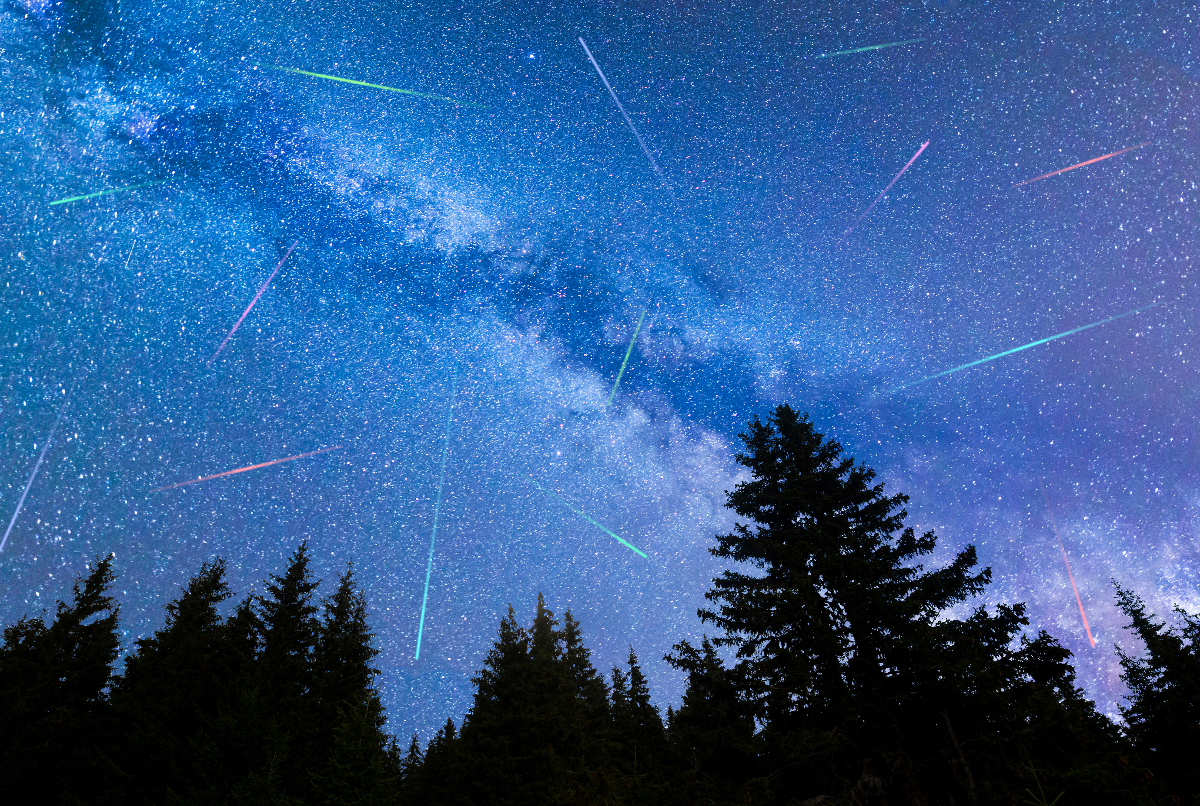
Get ready, North Texas skywatchers! One of the year’s most stunning celestial events is lighting up the Texas sky this week. Here is your guide to catching the magnificent Perseid Meteor Shower across the Dallas-Fort Worth area.
What is the Perseid Meteor Shower?
Each summer, Earth passes through a trail of debris left by Comet Swift-Tuttle, producing the Perseid meteor shower. As these small fragments enter our upper atmosphere, they vaporize, creating visible streaks of light in the night sky.
Visible across the Northern Hemisphere, this meteor shower is steeped in history, with ancient astronomers first recording the event as far back as 36 AD. The shower gets its name from the constellation Perseus, which acts as the “radiant” point where the shooting stars seem to originate.
According to Almanac.com, the Perseids are famous for being incredibly reliable, consistently delivering one of the most brilliant meteor displays of the year. Widely regarded as a premier event for astronomy enthusiasts, the shower can produce a spectacular 50 to 100 meteors per hour at its absolute peak.
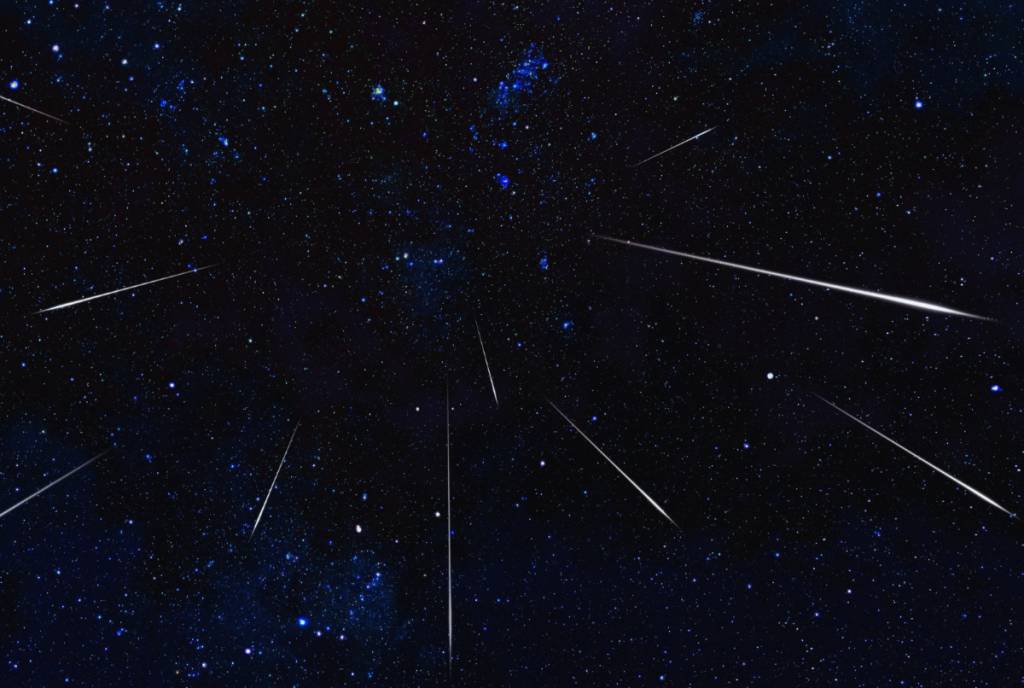 Photo via Shutterstock
When is the 2026 Perseid Meteor Shower?
In the Dallas area, the 2026 Perseids are active from mid-July (around July 17) through late August (August 24). However, the absolute best time to watch will be during the shower’s peak on the night of Wednesday, August 12, into the early hours of Thursday, August 13.
According to the American Meteor Society, this year’s peak aligns beautifully with a new Moon. This means the night sky will be exceptionally dark, providing near-perfect viewing conditions.
Where to see the meteor shower in Dallas?
Because of the heavy light pollution in the heart of Dallas, city dwellers will likely only spot about 7 to 16 meteors per hour. If you want the full cosmic fireworks show, you will need to escape the bright glow of the DFW Metroplex.
Drive out to the darker suburbs or rural areas of North Texas. Once you are away from the city lights, you can expect to see a dramatically improved show, catching anywhere from 17 to 40 shooting stars every hour under favorable skies.