
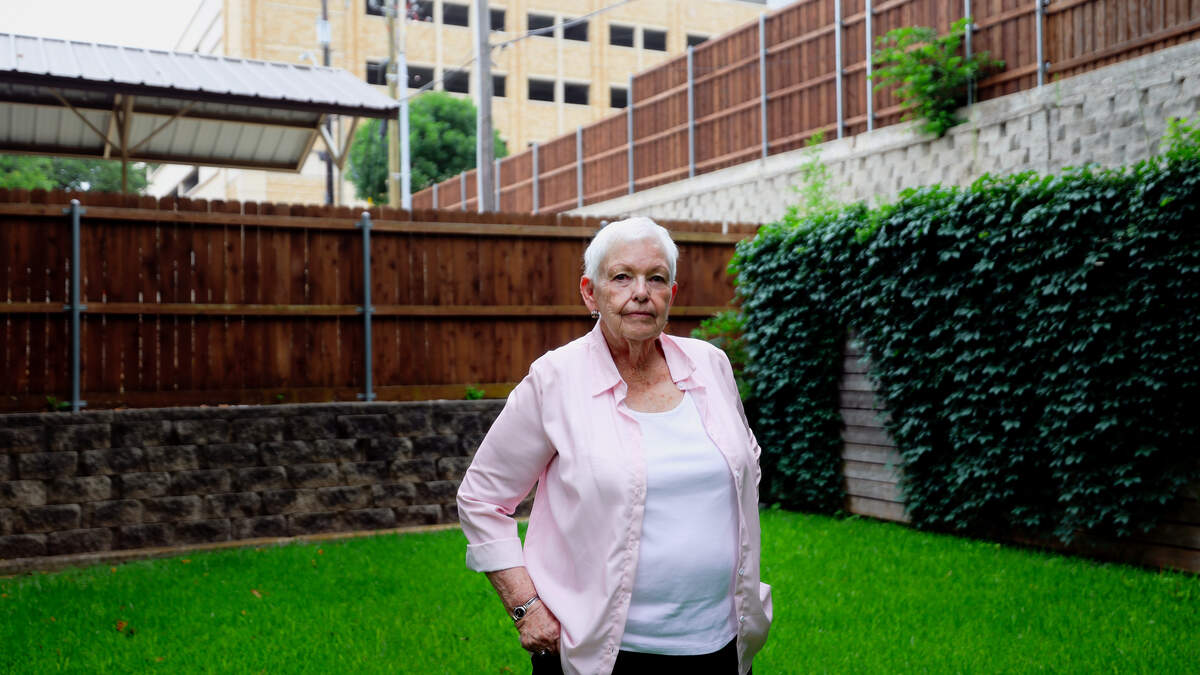
A block of mid-century homes on the northern end of Sandage Avenue, just east of TCU’s campus, stands as a reminder of Fort Worth’s post-war era of progress and prosperity.
One of them, a flat-roofed bungalow on a lush, wooded lot, has stood there since 1959. Martha Latta, who goes by Tim, and her husband, John, bought it 13 years ago, drawn by the property’s vintage charm.
On the worst days, though, Latta regrets that decision.
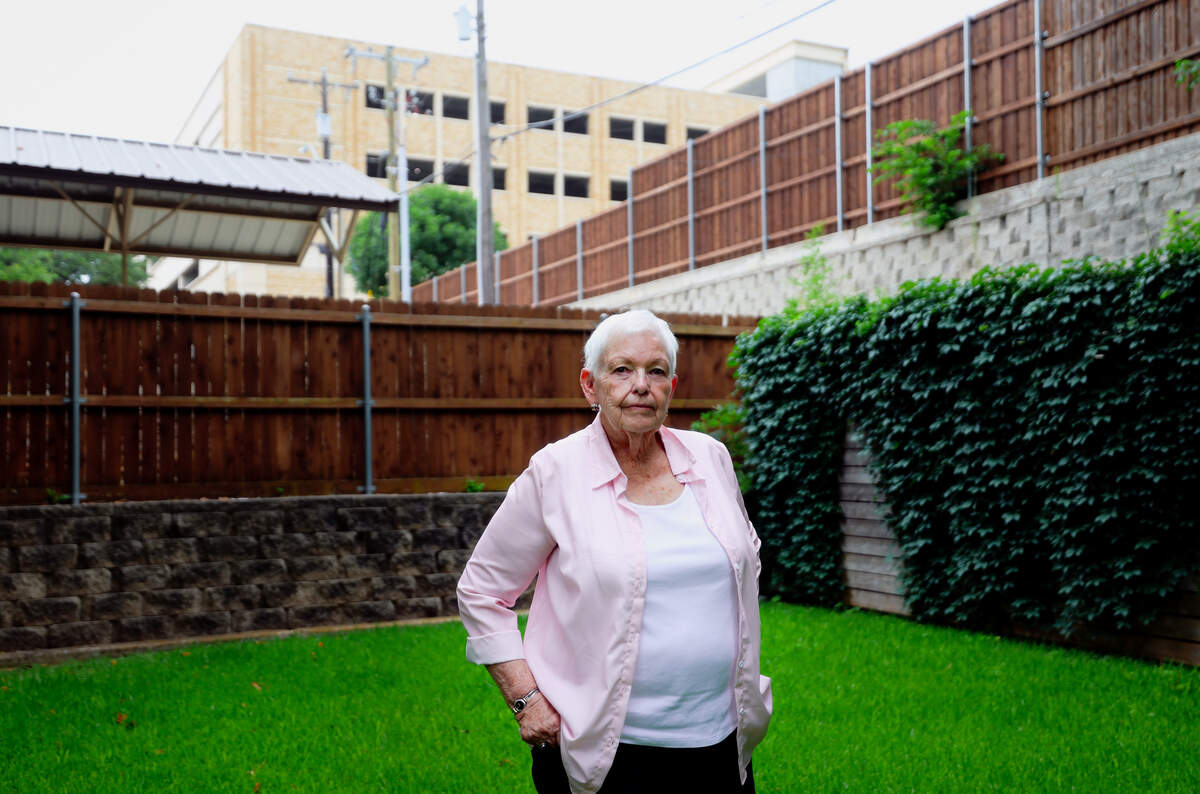 As TCU expands to meet a growing student body nearby neighborhoods are changing, creating friction with long-term residents. A parking garage being built behind Martha Latta’s home has caused noise, dirt and traffic issues, she says. Photographed Tuesday, June 16, 2026. Amanda McCoy FORT WORTH STAR-TELEGRAM
With TCU in the midst of a multi-year campus expansion project, the university’s footprint is creeping farther into surrounding neighborhoods such as Latta’s. This, unsurprisingly, has created tension with some residents, particularly those who view TCU’s ambition as a threat to their peace, tranquility and housing affordability.
Historic neighborhoods under pressure as TCU grows
Ten years ago, TCU’s enrollment was less than 9,000. Today, the student body is 13,000 strong, and the university wants to grow by another 5,000 students over the next decade.
Cranes dominate the skyline near the campus as crews build new housing and parking to complement new academic and athletic facilities, all designed to attract and accommodate more students.
Just south of Latta’s house, dorms and university-owned townhomes are going up, along with a 900-space parking garage, which Latta said will add even more traffic on her already crowded, narrow street.
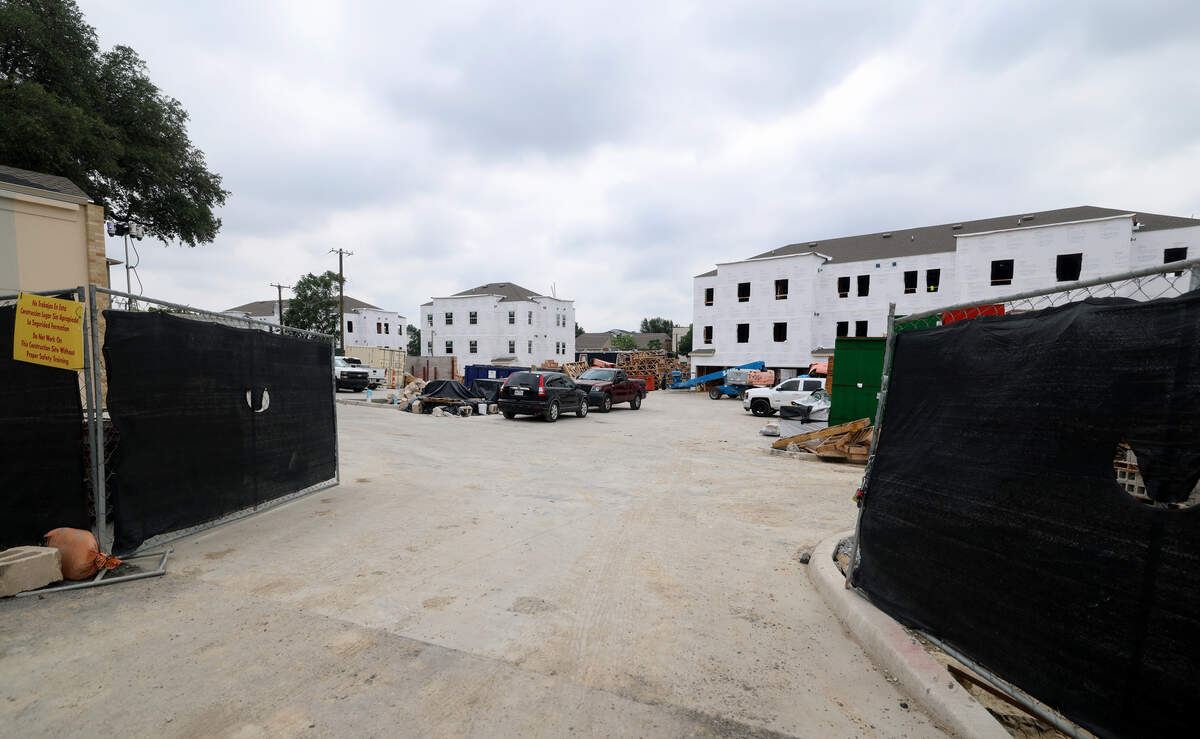 A construction crew works on a new townhome complex on Sandage Avenue near TCU campus on Tuesday, June 16, 2026. Amanda McCoy FORT WORTH STAR-TELEGRAM
 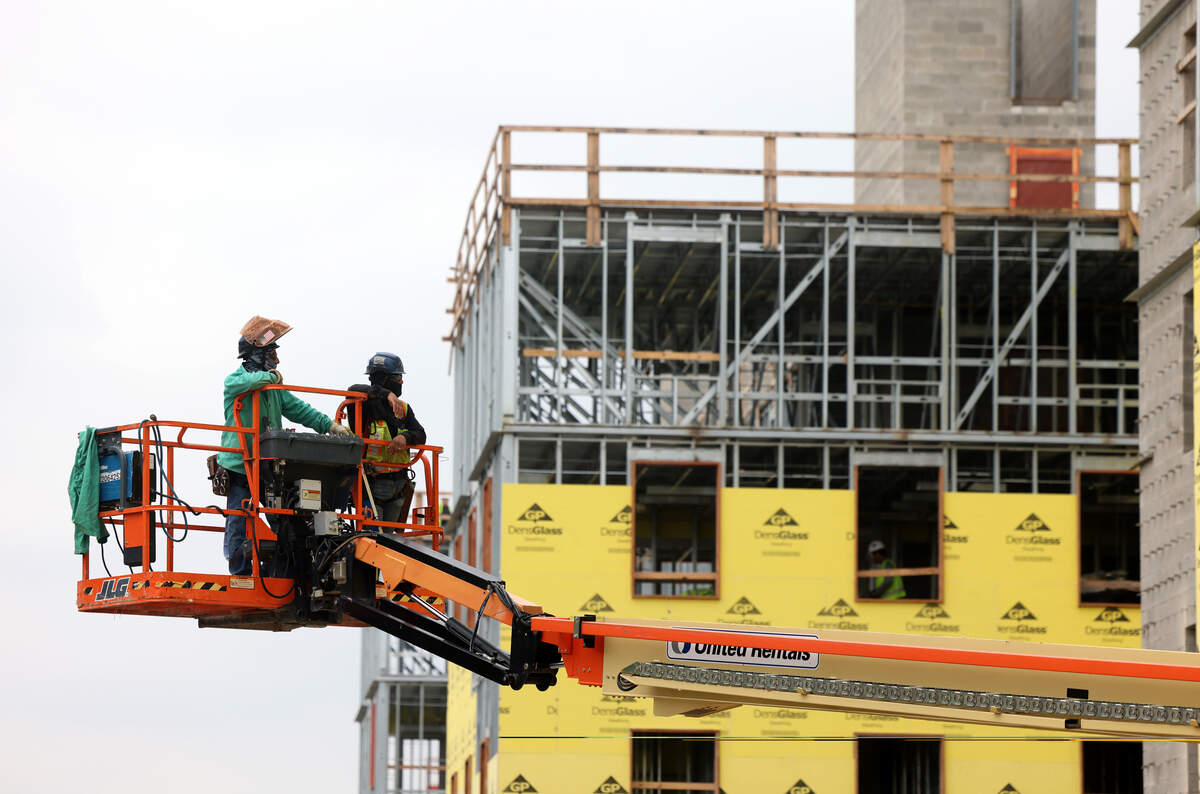 Construction continues on dorms for TCU students on Tuesday, June 16, 2026. As TCU expands to meet a growing student body nearby neighborhoods are changing, creating friction with long-term residents. Amanda McCoy FORT WORTH STAR-TELEGRAM
In Latta’s backyard on a recent Monday morning, the sound of work was in the air. Construction vehicles beeped and chugged, and the intermittent buzz of saws mixed with the clang of heavy equipment.
That noise starts each day by around 7 a.m., said Latta, who called it an unwelcome wake-up call to go with an eyesore — the parking garage looming beyond her back fence.
Latta has met several times with TCU’s upper brass, including Todd Waldvogel, the associate vice chancellor for facilities and campus planning, to talk about the university’s expansion plans. But no one from TCU ever discussed the garage with her before it was built, Latta said. Now, she says those meetings were largely pointless and only meant to placate her.
“The sentiment from TCU seems to be, ‘We’ll listen, but this is coming.’”
Others say TCU respects surrounding neighbors
Jason Soileau, TCU’s assistant vice chancellor of planning, design and construction, said in a statement to the Star-Telegram that the university takes community outreach seriously.
“TCU leadership proactively met with individuals from adjacent neighborhood associations to facilitate transparent conversations about long-term development plans for the TCU campus consistent with the 2024 Campus Master Plan,” he wrote.
Soileau specifically said those conversations included discussions about the parking garage near Sandage Avenue. It was purposely designed to funnel vehicles south through campus toward Berry Street instead of north in the direction of non-student residences.
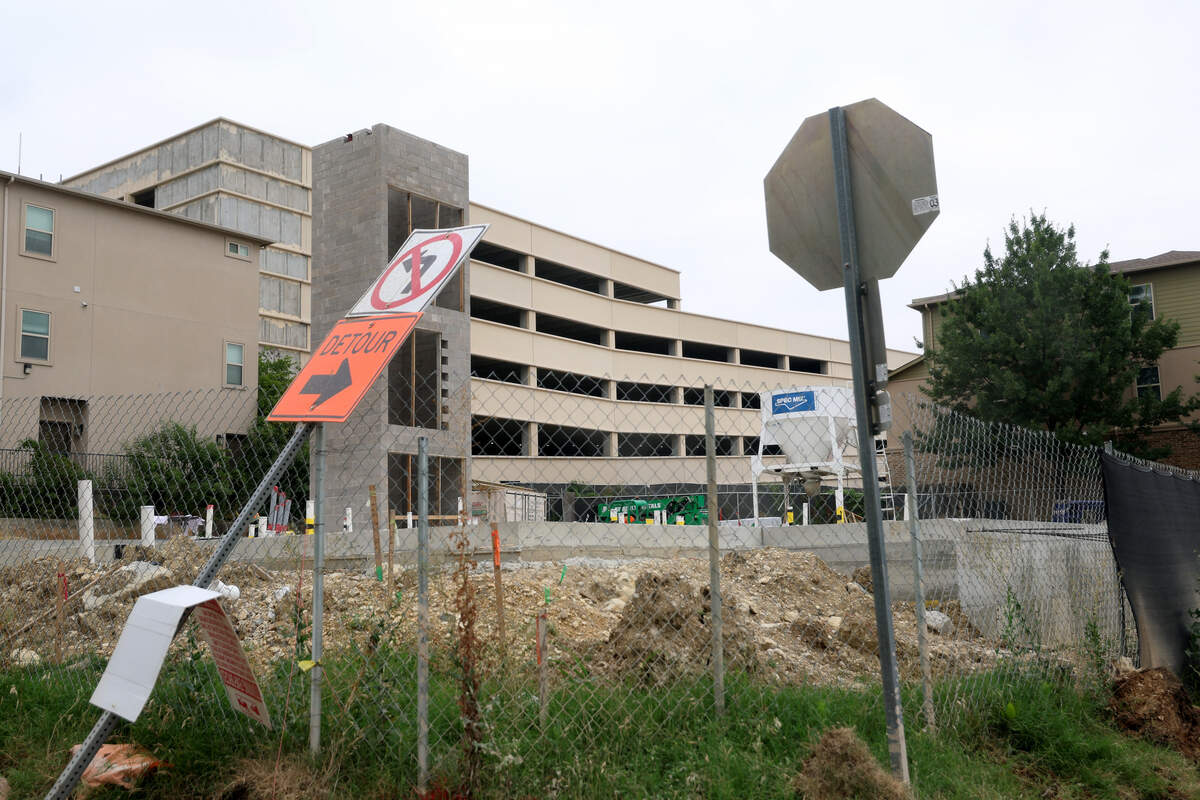 As TCU expands to meet a growing student body nearby neighborhoods are changing, creating friction with long-term residents. A parking garage being built behind Martha Latta’s home has caused noise, dirt and traffic issues, she says. Amanda McCoy FORT WORTH STAR-TELEGRAM
“TCU is committed to maintaining open and transparent dialogue with its neighbors as we provide a state-of-the-art campus that provides a second-to-none experience for our community,” Soileau wrote.
Michael Johnston, who lives a half mile north of TCU on Rogers Avenue, believes the university cares about its neighbors.
Johnston’s red-brick home is a century old, and in contrast to the university campus, very little about it or the surrounding neighborhood have changed over the past 100 years. Even the Johnston home’s brass door handles and the front porch mailbox are original.
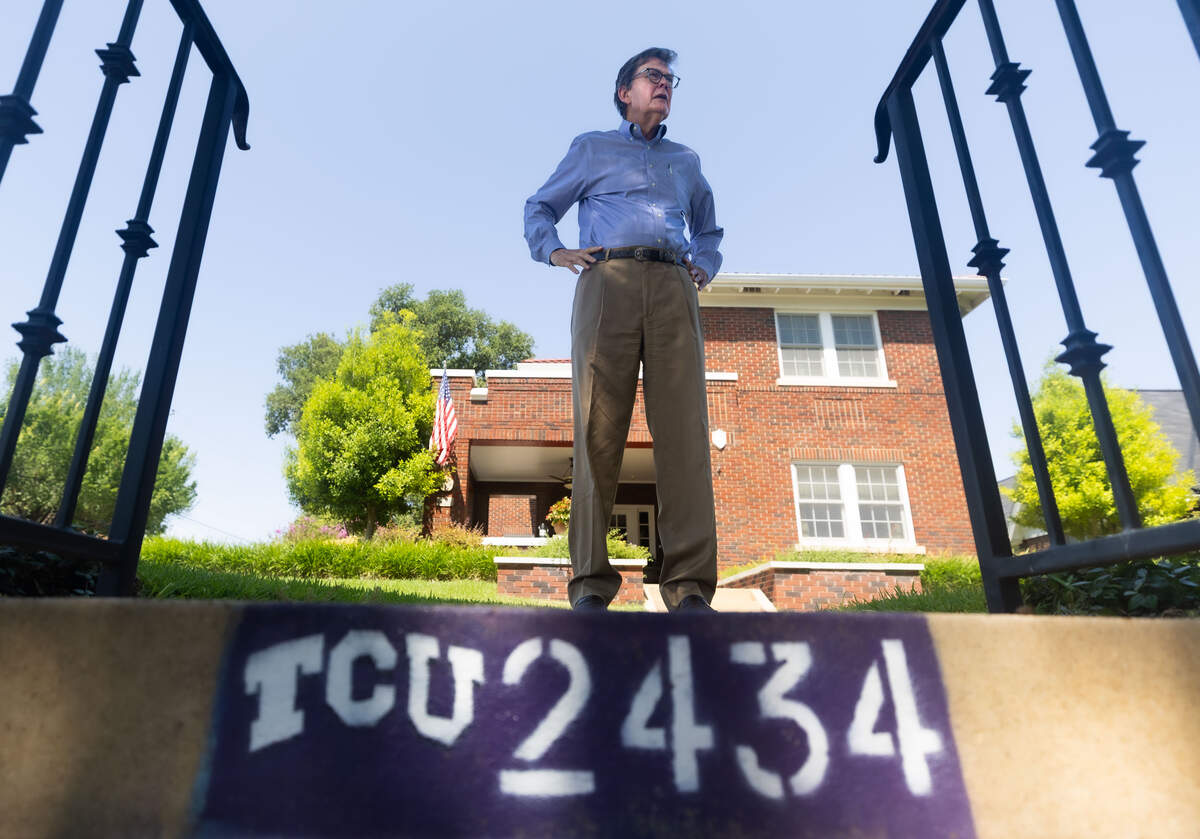 Michael Johnston stands in front of his home in Fort Worth on July 6, 2026. Living next to Texas Christian University for more than 40 years, Johnston says that he wishes the university would have better communication with residents when it comes to expansions. Elvis Martinez-Cartagena FORT WORTH STAR-TELEGRAM
Perhaps partly because of that, Johnston maintains an overall positive view of TCU. Though he didn’t attend as a student, he’s a dedicated Horned Frog fan and a season-ticket holder for several sports. He said he enjoys being in proximity to a vibrant student community, which he called inspiring.
Nevertheless, living in TCU’s shadow comes with challenges at times.
Like Latta, Johnston has observed that TCU grew enrollment faster than it expanded its housing inventory, pushing more and more students into rental properties on what were historically single-family, owner-occupied blocks. Real-estate investors saw dollar signs and started buying up houses to tear down and replace with duplexes and apartments, all of which have altered the character of established neighborhoods.
This, Johnston said, has increased property values and taxes to the detriment of longtime residents as well as those who want to buy homes and settle down in this highly desirable part of Fort Worth. It has also resulted in more congested streets and increased noise.
 Michael Johnston stares out of a window inside of his home in Fort Worth on July 6, 2026. One of Johnston’s biggest worries is that single family homes near Texas Christian University are being used as short-term rentals. Elvis Martinez-Cartagena FORT WORTH STAR-TELEGRAM
While he’s not a huge fan of the higher taxes and the cars lining the blocks, Johnston said student “social gatherings” don’t bother him much.
“I can’t sleep unless there’s a party going on,” he joked.
Other residents, though, don’t look at the situation with the same equanimity. South of campus, homeowners have pooled their resources and hired off-duty Fort Worth police officers to combat noisy parties. A few have complained troublesome students have made their neighborhoods all but unlivable.
TCU growth plan addresses housing crunch
The student housing and parking shortages are problems TCU is addressing with its growth plan. Right now, TCU has on-campus housing capacity for 5,204 students. Master lease agreements with apartment complexes provide an additional 384 beds.
On McCart Avenue east of campus, near Latta’s house, the townhome complex that’s under construction on a former parking lot site will have 120 units, available primarily to juniors and seniors. When those and other new residence halls open in 2027, they’ll allow TCU to accommodate nearly 2,500 additional students, perhaps mitigating some of the friction with neighboring residents.
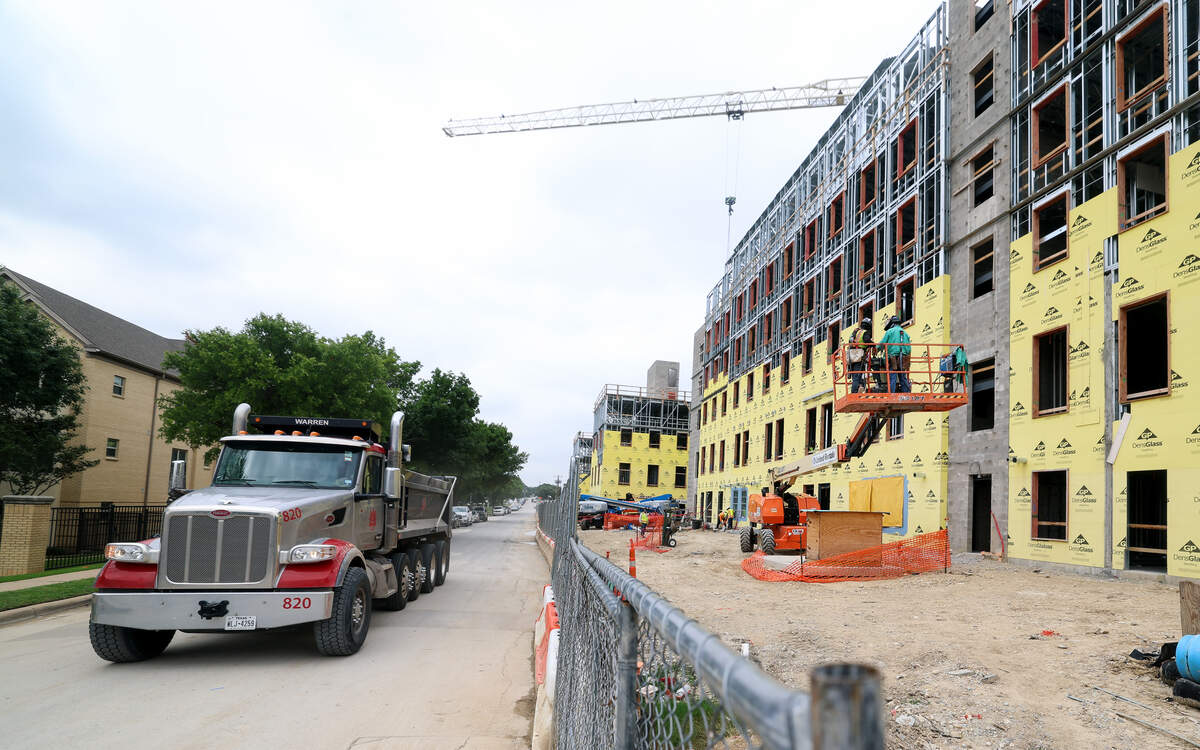 Construction continues on dorms for TCU students on Tuesday, June 16, 2026. As TCU expands to meet a growing student body nearby neighborhoods are changing, creating friction with long-term residents. Amanda McCoy FORT WORTH STAR-TELEGRAM
Unlike Latta, Johnston said TCU is generally receptive to resident feedback as it builds outward. As an example, Johnston said, when TCU constructed its parking garage on Stadium Drive near the Ed and Rae Schollmaier Arena, college officials took input from nearby homeowners and set the structure back from the street to avoid creating a perceived eyesore. They also added landscaping in front of the garage, Johnston said, to make it more aesthetically pleasing.
“There needs to be a constant dialogue,” he said.
Johnston suggested the university could do better about proactively keeping residents informed of upcoming building projects and events that might be disruptive. Regular emails, like the promotional ones he receives almost daily from TCU’s bookstore, would do the trick, Johnston added.
“That would alleviate anxiety.”
Can neighborhoods guard against unwanted development?
In 2014, Historic Fort Worth, the nonprofit group that works to preserve the city’s historic buildings, added the portion of Sandage where Latta lives to its list of endangered places. Less than a dozen of the homes from the 1950s and 1960s remain, the rest having been replaced in the last several years by apartments, rental homes and condominiums catering to college students.
Jerre Tracy, Historic Fort Worth’s executive director, said universities, churches and hospitals are the biggest threats to historic neighborhoods nationwide
One way to combat that, Tracy said, is for residents to band together and have their neighborhoods designated as historic districts. That could have happened on Sandage but didn’t, Tracy added, which contributed to the precarious situation the street is in today.
Latta’s home is a textbook example of the mid-century modern style made famous by architects such as Frank Lloyd Wright and Mies van der Rohe, and it’s as lovely inside as it is outside. Latta is an interior designer, and stepping into her front sitting room is like stepping into the pages of Architectural Digest.
Given its age and significance, Tracy said it would be a good candidate for historic landmark designation by the city of Fort Worth, something Latta said she would consider applying for.
If the home were landmarked, it would make it much more difficult for developers to alter the property or demolish it to make room for something new in the years to come.
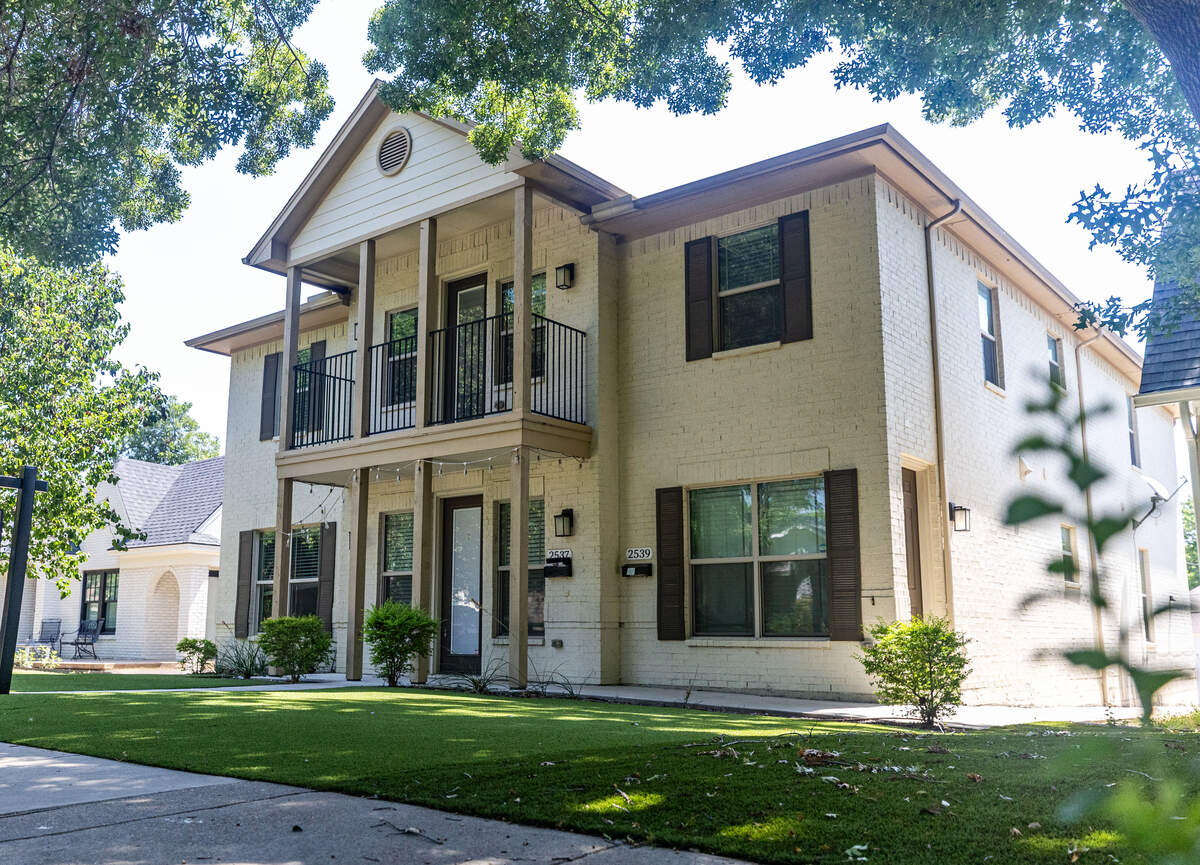 A stealth dorm sits on Rogers Avenue in Fort Worth on July 6, 2026. A stealth dorm is a house that is being rented by the room to numerous unrelated individuals. Elvis Martinez-Cartagena FORT WORTH STAR-TELEGRAM
But houses themselves don’t make a neighborhood. Standing in his kitchen, Johnston reminisced about Centennial Drive, the street he grew up on in Houston. The kids all played together outside and at each other’s homes, under the watchful eyes of parents who all knew one another, Johnston said.
Although they weren’t wealthy by any stretch, Johnston said, he and his friends benefited from the richness of a close-knit neighborhood community. Johnston went on to become a lawyer, and some of his boyhood pals embarked upon successful careers in fields such as medicine, psychology, engineering and education.
That, Johnston believes, is a testament to the power of a good neighborhood, where people are given the chance to establish roots. He doesn’t want rising home prices, a growing rental market and additional development to create a barrier for families looking to build that kind of life near TCU.
“A neighborhood is very valuable,” Johnston said.
Do you have an opinion on this topic? Tell us!
We love to hear from Texans with opinions on the news — and to publish those views in the Opinion section.
• Letters should be no more than 150 words.
• Writers should submit letters only once every 30 days.
• Include your name, address (including city of residence), phone number and email address, so we can contact you if we have questions.
You can submit a letter to the editor two ways:
• Email letters@star-telegram.com (preferred).
• Fill out this online form.
Please note: Letters will be edited for style and clarity. Publication is not guaranteed. The best letters are focused on one topic.
This story was originally published August 13, 2026 at 5:16 AM.

Fort Worth Star-Telegram
Matt Adams is a news reporter covering Fort Worth, Tarrant County and surrounding areas. He previously wrote about aviation and travel and enjoys a good weekend road trip. Matt joined the Star-Telegram in January 2025.