
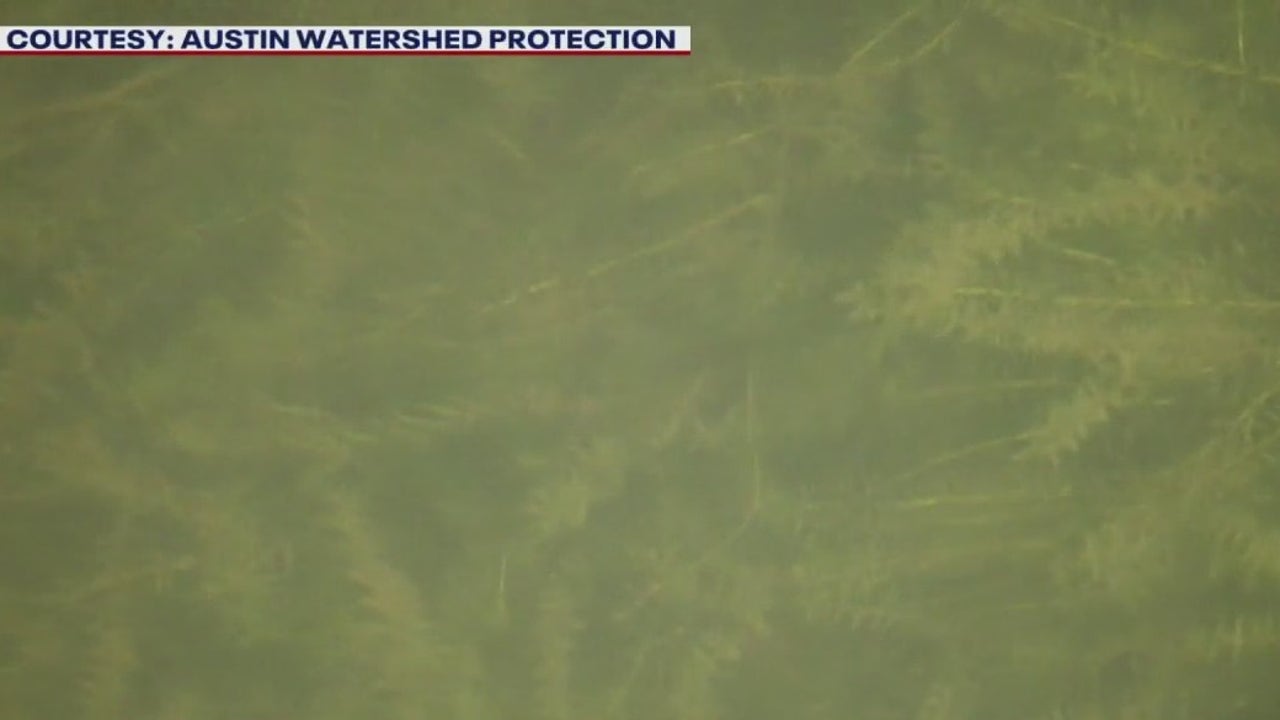
AUSTIN, Texas – The city is working to stop the rapid spread of hydrilla in Lake Austin.
Experts are turning to a familiar fix — grass carp. It’s something the city hasn’t had to use in the last decade.
Stopping spread of hydrilla in Lake Austin
The backstory:
The city says hydrilla has taken over much of Lake Austin. The invasive plant can benefit fish and improve water quality, but when it grows too quickly, it becomes a big problem for boaters.
The city says hydrilla now covers about 30% of Lake Austin, up from just 5% in June.
“It can be hard for boats to maneuver and for people to enjoy and recreate on the lake. And so people have been coming to the city with concerns about what we can do to manage this aquatic plant on Lake Austin,” said Liz Johnston, Environmental Officer, Austin Watershed Protection.
This week, the city released nearly 2,000 sterile grass carp into the lake. The fish can’t reproduce and eventually die off, but they love to eat hydrilla.
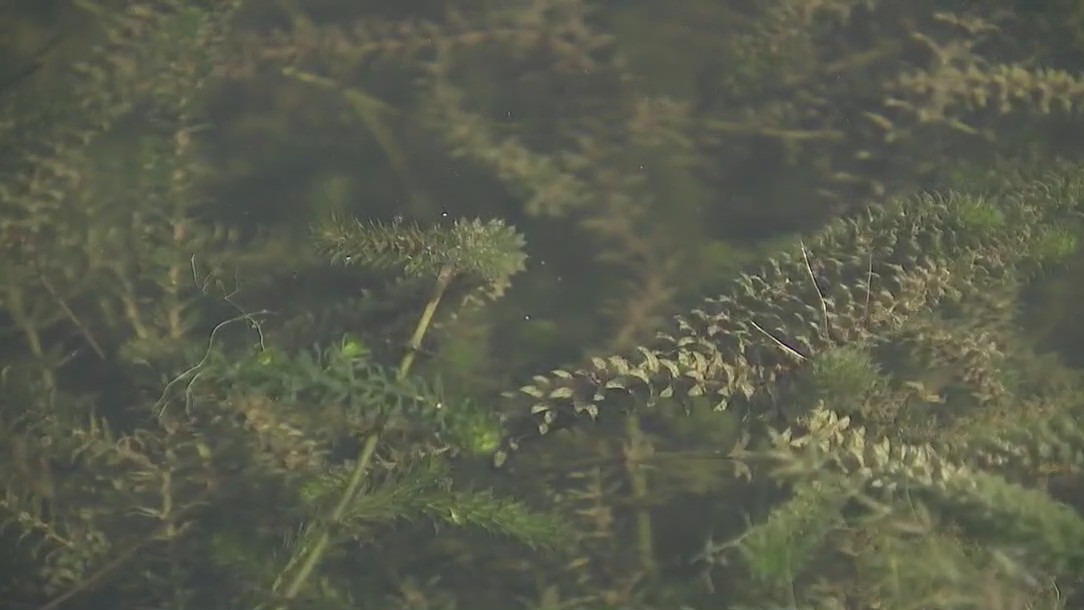
Watershed Protection says they’re the most environmentally responsible way to manage the invasive plant.
“There was some added at Mary Quinlan Park. Most were added at the Loop 360 Bridge. And then there was another smaller, a few coolers worth of Sterile Grass Carp down towards West Lake at the lower end,” said Johnston.
Texas Parks and Wildlife surveyed the lake in September and found about 456 acres of hydrilla nearing the peak levels last seen in 2012 and 2013.
Overall, vegetation now covers nearly 40% of the lake, close to the limit of what’s recommended to support aquatic life.
Experts say hydrilla can still have positive benefits, like improving fish and water quality and absorbing nutrients. This makes managing hydrilla a balancing act.
“To achieve a balance such that native vegetation can have a chance of competing against the hydrilla so that, but that we still maintain a healthy coverage of. Native aquatic vegetation,” said Johnson.
What you can do:
To help prevent the spread of non-native species like hydrilla, experts say:
Clean and dry your boat and gear before and after useAvoid boating or swimming through thick patchesNever toss plant pieces back into the water
The watershed department also wants to remind people there’s a ban on fishing Grass Carp in Lake Austin.
The Source: Information from interviews conducted by FOX 7 Austin’s Jenna King