
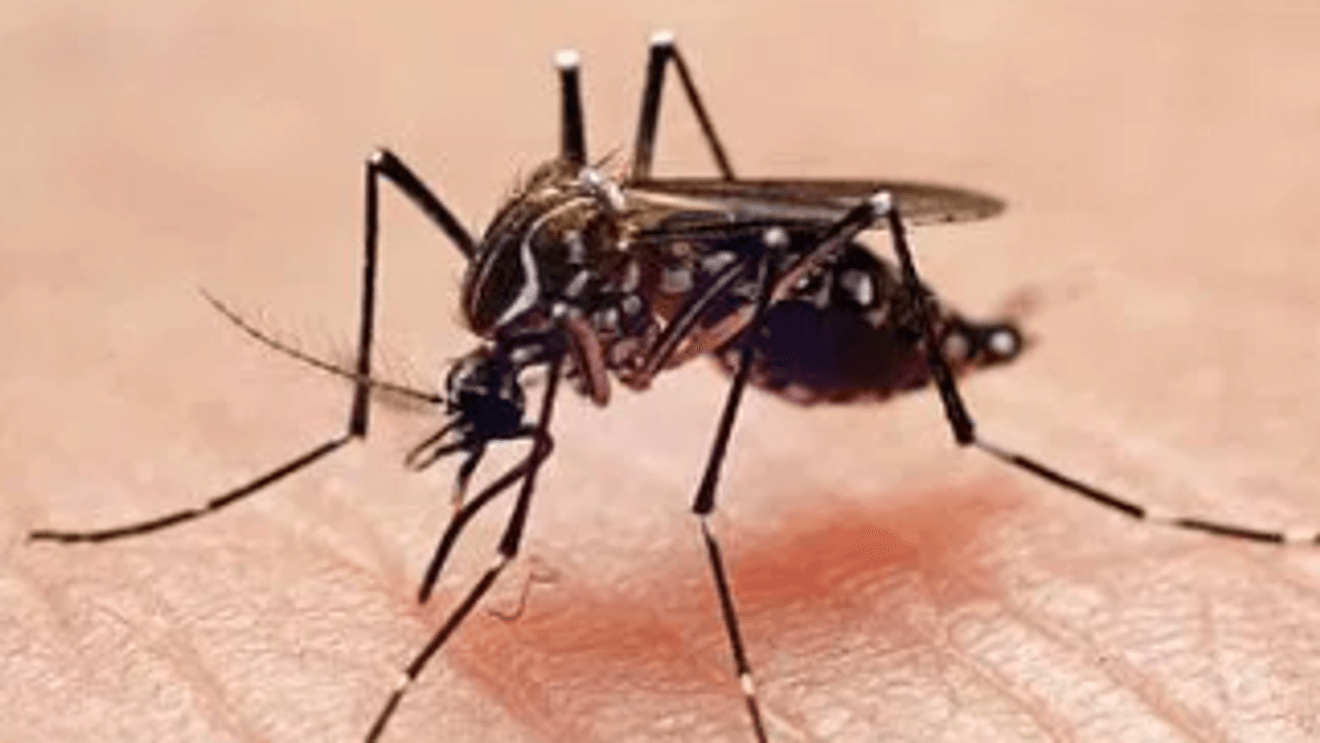
SAN MARCOS, Texas – Hays County health officials have confirmed the first laboratory-confirmed human case of West Nile Virus in the county during the 2026 mosquito season.
The Hays County Health Department said it received notification from the Texas Department of State Health Services on Aug. 12, 2026. Officials said they will not provide further details about the case to protect the patient’s privacy and confidentiality.
The confirmation comes as West Nile Virus continues to be detected in mosquito populations across the county. The Hays County Development Services Mosquito Surveillance Program said a mosquito trap sample collected Aug. 11 in the 78666 ZIP code in San Marcos tested positive for West Nile Virus.
Officials said it is the sixth West Nile Virus-positive mosquito pool reported through the county’s surveillance program this season, with one positive trap in Buda. The city of San Marcos has reported two additional positive mosquito pools, bringing the total number of positive mosquito pools reported throughout Hays County to eight.
West Nile Virus activity in both our mosquito population and now a confirmed human case underscores the importance of taking precautions against mosquito bites,” said Hays County Judge and Director of Emergency Management Ruben Becerra. “Our Health Department and mosquito surveillance teams will continue monitoring conditions throughout the County, but prevention begins at home. Taking a few simple steps to protect yourself and eliminate standing water can help reduce the risk for our entire community.
West Nile Virus is primarily spread through the bite of an infected mosquito, according to the health department. Mosquitoes become infected when they feed on infected birds and can then transmit the virus to humans and animals. Officials said West Nile Virus is not generally spread from person to person, except in extremely rare circumstances involving blood transfusions, organ transplants or transmission from mother to child during pregnancy, delivery or breastfeeding.
Health officials said about 80% of people infected with West Nile Virus do not develop symptoms. Approximately 20% may experience fever, headache, body aches, joint pain, vomiting, diarrhea, rash or swollen lymph nodes. Less than 1% of people infected develop severe illness affecting the central nervous system, such as encephalitis or meningitis. People age 50 and older, and those with weakened immune systems are at greater risk of developing severe illness, officials said.
Symptoms of severe West Nile disease can include high fever, neck stiffness, disorientation, tremors, muscle weakness, vision loss, numbness or paralysis. In rare cases, the virus can be fatal.
Anyone experiencing symptoms associated with West Nile Virus is encouraged to seek medical attention. Officials said there is no specific antiviral treatment for West Nile Virus. Over-the-counter medications may help relieve mild symptoms, while people with severe illness may require hospitalization and supportive care.
The best action Hays County residents can take to protect themselves from West Nile Virus is to prevent mosquito bites by following the three Ds: Defend, Dress and Drain,” said Hays County Health Department Director Matthew Gonzales. “If someone knows they were recently bitten by mosquitoes and is experiencing flu-like symptoms or symptoms associated with West Nile Virus, they should contact a healthcare provider, especially if the patient is immunocompromised or over the age of 50.
Gonzales also emphasized that West Nile Virus is not considered contagious between people, noting that humans are considered “dead-end hosts,” meaning they generally do not develop high enough levels of the virus in their bloodstream to infect mosquitoes and continue the transmission cycle.
Hays County Development Services conducts mosquito surveillance from May through November, using standardized traps including CDC gravid traps and BG-Sentinel traps. Mosquitoes are sent to the state for identification and arboviral testing, and officials said the surveillance helps track mosquito activity, identify areas where disease-carrying mosquitoes are present and guide prevention and control efforts.
It’s essential that everyone helps reduce mosquito populations by eliminating unnecessary standing water around their properties,” said Nick VandenBroek, Environmental Health Specialist II. “Source reduction can go a long way to reduce localized populations of mosquitoes in and around your neighborhood.
Officials said mosquitoes can breed in very small amounts of standing water and encouraged residents to inspect homes, yards and workplaces and empty or treat water that collects in flowerpots, buckets, birdbaths, gutters, pet dishes, tires and other containers.
The health department and development services department urged residents to follow the three Ds:
Defend: Use an EPA-registered insect repellent when outside and follow label instructions.Dress: Wear long, loose and light-colored clothing when outdoors.Drain: Drain or treat standing water in and around homes or workplaces where mosquitoes could lay eggs.
Hays County Health Department and Hays County Development Services said they will continue human health and mosquito surveillance efforts throughout the mosquito season.
For more information about West Nile Virus in humans, contact the Hays County Health Department at 512-393-5520 or visit the HCHD Epidemiology & Disease Prevention website. For more information about mosquito surveillance, visit the Hays County Development Services Mosquito Surveillance Program website or call 512-393-2150.