
A goat in Southwest Texas has tested positive for anthrax, according to state animal officials. It’s the second case of anthrax thus far in 2026.
According to the Texas Animal Health Commission (TAHC), the deadly bacteria was detected on Wednesday, August 12, in a Spanish goat on “a premises” in Edwards County, which is located about 100 miles west of San Antonio. It’s the second detection of anthrax in a livestock animal in Texas this year, but the first in Edwards County, the tiny ranching county with a population of less than 1,400 people.
“The premises is located in the north west corner of Edwards County south of Sonora, Texas and has been quarantined,” TAHC officials said in a statement on Thursday, August 13.
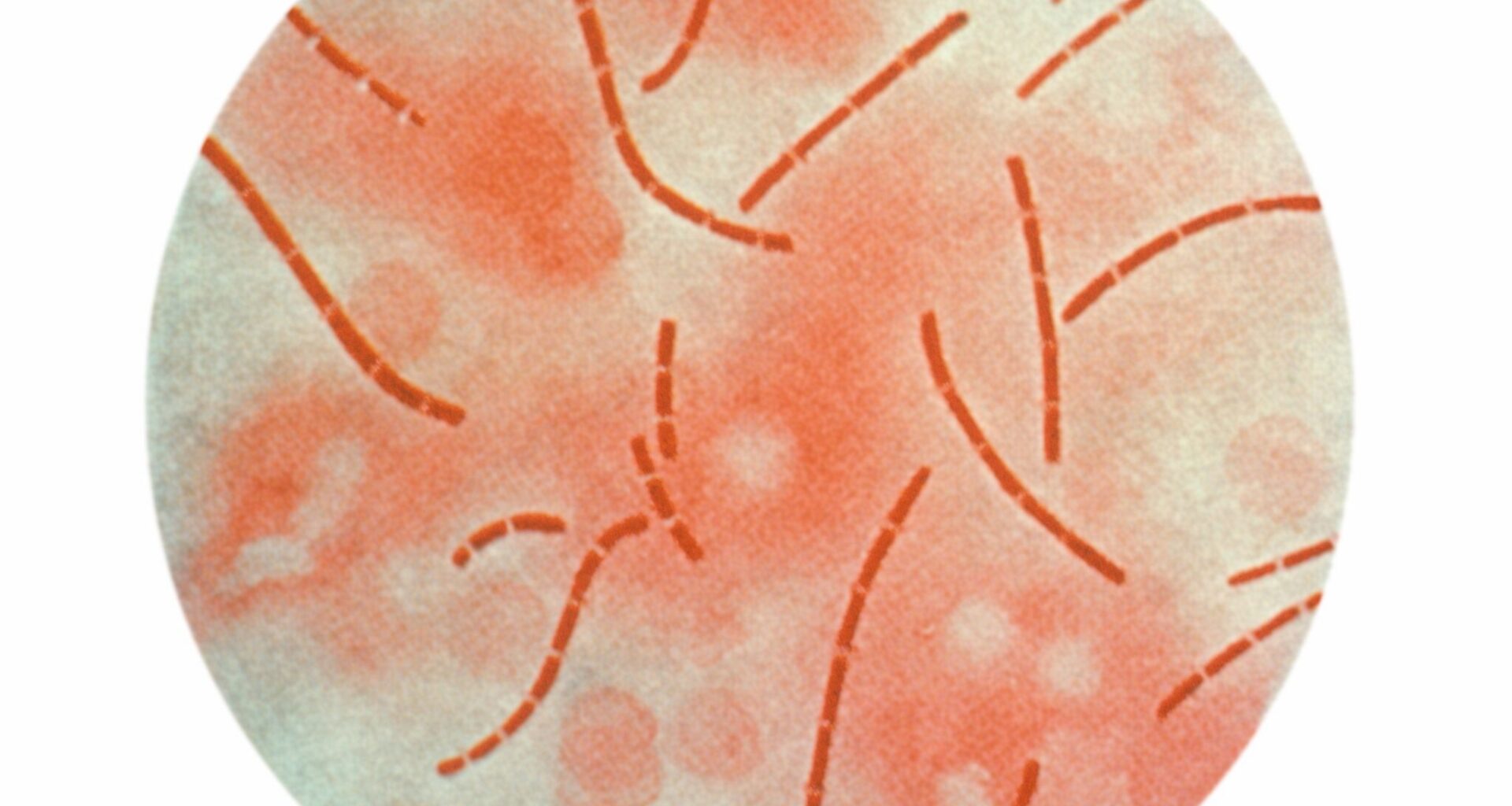
Anthrax is a potentially fatal disease caused by Bacillus anthracis. It is endemic in parts of Texas known as the “anthrax triangle” — including Edwards County — between the cities of Uvalde, Ozona and Eagle Pass.
Another case of anthrax was detected on December 31, 2025, in a steer located in Briscoe County in the Texas Panhandle. But state health officials did not confirm that detection until January 6 of this year. Though rare, the disease has been detected in the Panhandle before, including in 2020 and 2023.
The bacteria can survive in soil and infections typically occur “after periods of wet, cool weather, followed by hot, dry conditions.” Last month, large swaths of Texas — from the border at Eagle Pass to Kerrville and San Antonio — were deluged by heavy rains that caused widespread flooding and swollen rivers. Since then, Edwards County has experienced mostly hot and dry conditions, with temperatures soaring into the 90s, according to the National Weather Service.
Livestock is particularly susceptible to anthrax infections caused by breathing in, eating or drinking spores in contaminated soil, plants or water, according to the Centers for Disease Control and Prevention. Cattle, sheep and goats are among the most vulnerable and can die in less than 48 hours from the first sign of illness. Symptoms include high fever and bloody discharge.
People can also become infected after coming in contact with infected animals or their carcasses.
In people, the symptoms of an anthrax infection depend on how the bacteria enters the body. The most common is cutaneous anthrax, when the bacteria enters a wound or scratch on the skin and causes itchy blisters or bumps, followed by a painless black sore on the skin.
Gastrointestinal anthrax occurs when someone eats raw or undercooked meat from an infected animal. It causes fever and chills, sore throat, nausea and vomiting, diarrhea, headache and other symptoms, according to the CDC. This is the rarest form of infection in the United States.
Inhalation anthrax happens when someone breathes in anthrax spores. Symptoms include fever and chills, heavy sweats, chest pain, cough, shortness of breath, confusion or dizziness, nausea and vomiting, and extreme tiredness. Inhalation anthrax can cause severe damage to the lungs, and is also the most fatal form of the disease in humans — as high as 95% if left untreated. Treatment involves the use of powerful antibiotics, antibodies and antitoxins.
The Texas Animal Health Commission recommends vaccinating livestock and following safety precautions — like wearing gloves and long-sleeved shirts — when handling animals suspected of being infected. To report a suspected case of anthrax, contact the TAHC hotline at 1-800-550-8242.