
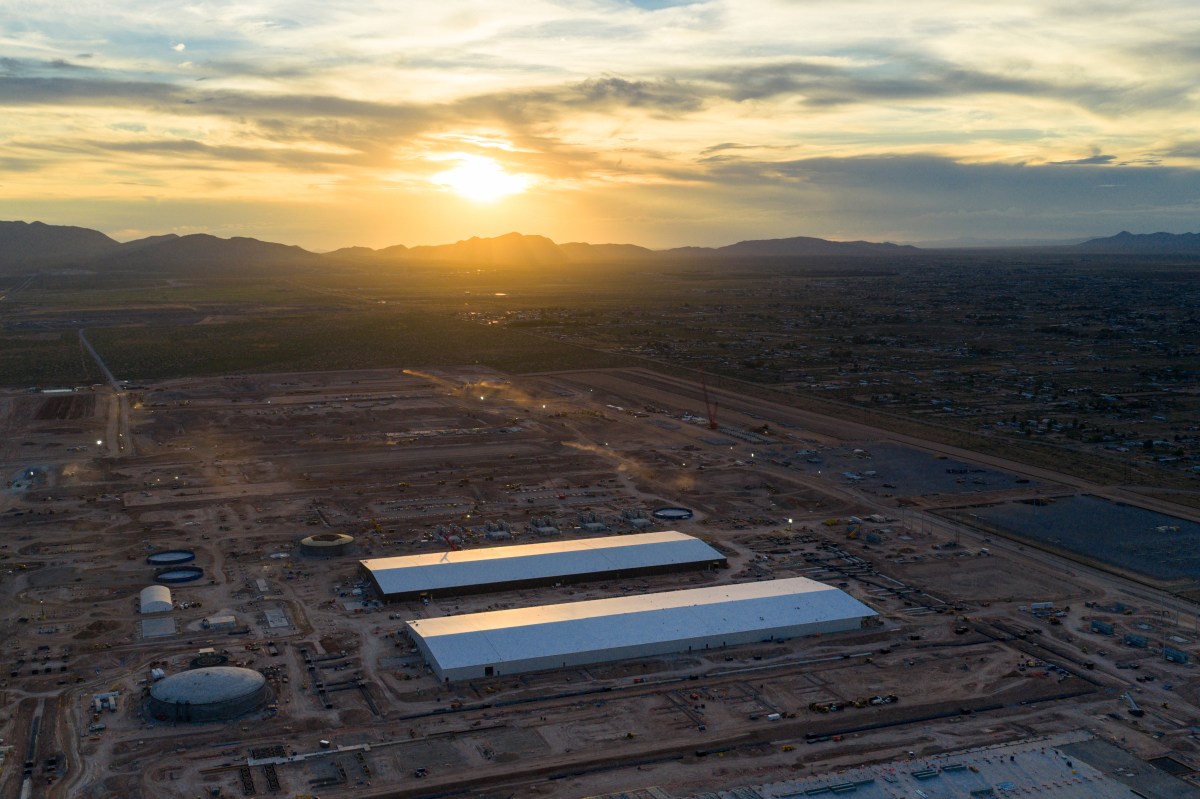
Texas is leading the way when it comes to data center development in the U.S., but local opposition and now official moratoriums may be threatening what developers see as the potential benefits from the state’s central role in the AI boom.
Data center expansion has emerged as a national flashpoint, with officials and companies themselves touting the economic value and strategic importance of securing America’s edge in the AI race, though surveys continue to chart widespread disapproval from voters across the country. A Reuters/Ipsos poll from June found that 57 percent would oppose a data center being built in their community, a figure that reached 71 percent in an earlier survey from Gallup.
In an interview with Punchbowl News in early August, President Donald Trump called data centers “tremendously important” while acknowledging Americans’ unease about the ongoing buildout.
Read More on Tech
“Whoever wins AI just wins. It’s that big. It’s bigger than the internet by many times. It’s gonna be bigger than anybody ever thought possible. Not even imaginable how big,” the president said. “I saw Texas the other day sort of is against data centers. I think it’s a mistake.”
Texas’s Data Center Boom
In a recent note, Torsten Slok, chief economist at Apollo Global Management, described America’s “data center boom” as “a Texas Story.” he cited research from the market intelligence platform Cleanview, which found that Texas—while second to Virginia in current operating capacity—now accounts for more planned capacity by megawatts (94,656 MW) than the next three states combined.
“Texas remains well positioned to maintain its leadership, but continued success depends on clear, predictable standards that support responsible investment,” CyrusOne, a company which currently boasts 15 data centers in Texas, told Newsweek. “Maintaining that leadership will help sustain job creation, workforce development, local tax revenue and the infrastructure needed to support the state’s continued economic growth.”
Ray Perryman, president and CEO of The Perryman Group, an economic research and analysis firm based in Waco, Texas, likewise described them as a “major source of investment throughout Texas,” but one which community opposition could complicate.
Though he believes the momentum Texas has so far generated will be maintained thanks to favorable land and business conditions, Perryman said that, “as with anything that is sudden and different, there are very real ‘growing pains’ and issues which must be addressed.”
Concern At the State Level
As Trump acknowledged in his interview with Punchbowl News, Texas leadership has in recent weeks shifted from championing data centers and the AI push to skepticism over water concerns, community impacts and the potential implications for the state’s grid.
In June, Governor Greg Abbott called for new regulations governing data center construction and operation, including a requirement that the facilities pay their own infrastructure costs and provide additional power generation to avoid this burden shifting to Texans.
Earlier this month, Abbott, a Republican, ordered a pause on pending interconnection requests for new projects until ERCOT and the Public Utility Commission of Texas could conduct a comprehensive audit of all planned data centers in the state.
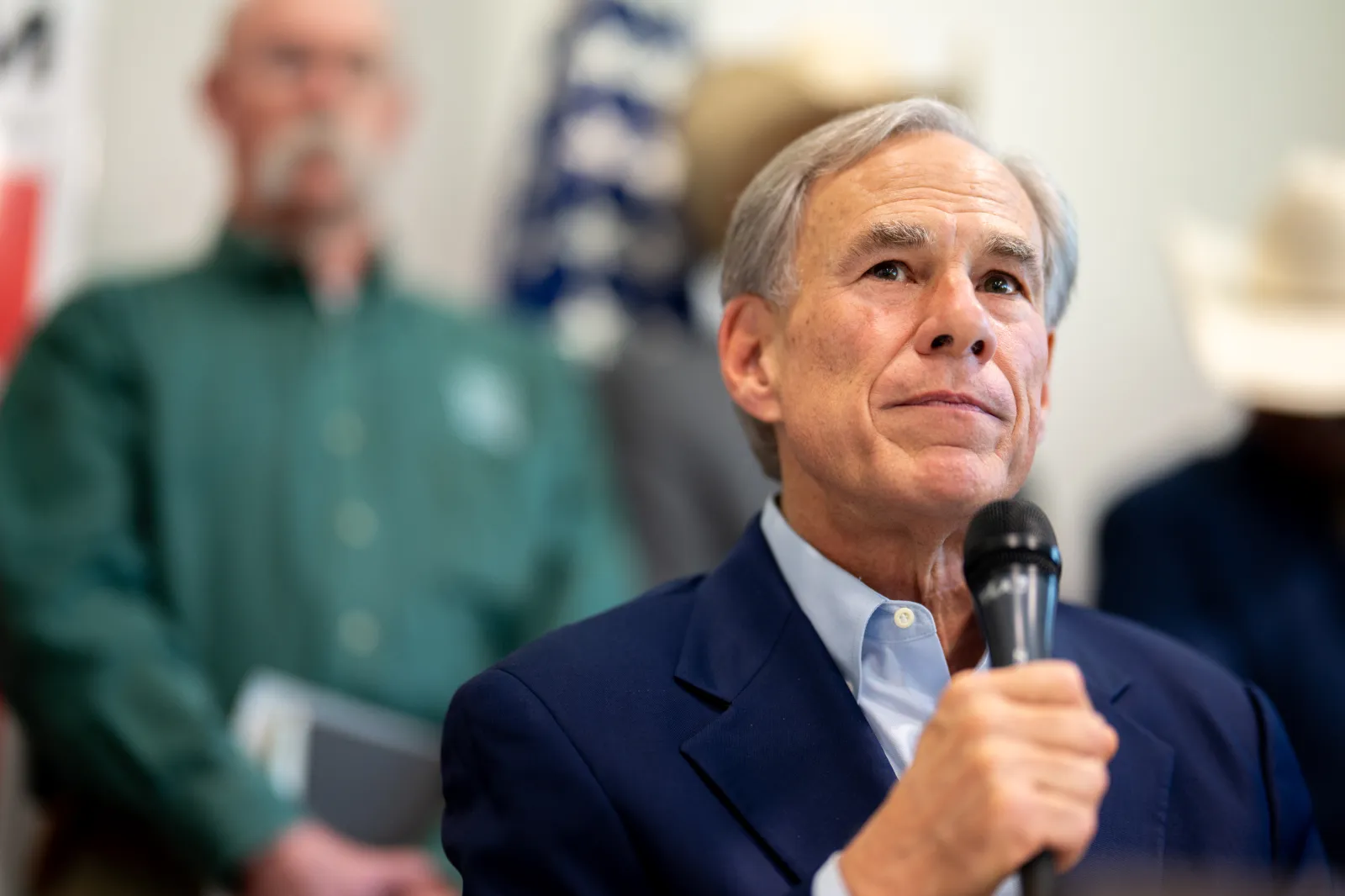
“The Governor established clear guidelines: Data centers must invest their own money, provide their own power, reuse their own water, ensure that the power grid is gaining power—not losing power because of their operations—and must not disturb neighborhoods,” Andrew Mahaleris, Governor Abbott’s press secretary, told Newsweek. “Data centers across the state have announced their full compliance with those standards, which provide guardrails that protect our communities.”
This came after a poll by Texas Public Opinion Research found that 79 percent of Texans supported AI data centers being forced to disclose their water consumption, with 75 percent in favor of centers funding their own grid upgrades.
But some, like President Trump, have spoken against any rules that could slow the construction of new data centers, which he dubbed “big, strong, bold, and Money Machines for the State in which they are built.” Trump’s administration has, however, pushed local leaders, electricity companies and tech firms to sign a voluntary “Ratepayer Protection” pledge aimed at protecting consumers from higher utility bills as a result of the data center buildout.
Texas generated $4.5 billion in tax revenue from data centers in 2024, according to a PwC analysis commissioned by the Data Center Coalition, the primary trade association representing the industry. However, these revenues remain subject to significant debate given the tax breaks used to incentivize construction within Texas—which the state comptroller’s office estimated could mean foregoing over $1 billion each year, the Texas Tribune reports.
“The largest benefit of data centers, or any capital-intensive investments are the tax revenues they generate for local communities,” Nathan Jensen, a professor of Government at the University of Texas at Austin, told Newsweek. “The problem is that states and local communities often give tax breaks for these projects, erasing many of the benefits.”
Local Opposition Grows
Alongside increasing skepticism from officials, opposition to data center expansion continues to grow at the grassroots level in Texas.
Facebook groups like Texans United Against Data Centers or the Texas Coalition Against Datacenters boast tens of thousands of members who routinely and publicly object to the facilities on environmental grounds, while organizing how to delay or prevent further developments.
Green Recursive Utility Service LLC, a Texas-registered public data utility, has petitioned the state’s Public Utility Commission to establish measurement standards and regulatory frameworks for data center resource consumption. The company told Newsweek that data centers “can place extraordinary demands on Texas’s infrastructure” while straining its water resources, and said that this “directly affects the cost everybody pays, raising utility rates for all Texans.”
“The public is very concerned about water, energy, and quality of life impacts,” said Margaret Cook, vice president for Water & Community Resilience at the Houston Advanced Research Center. Cook told Newsweek that on top of these impacts, the “lack of transparency” from the industry was also proving to be a significant “engagement barrier” for Texas communities.
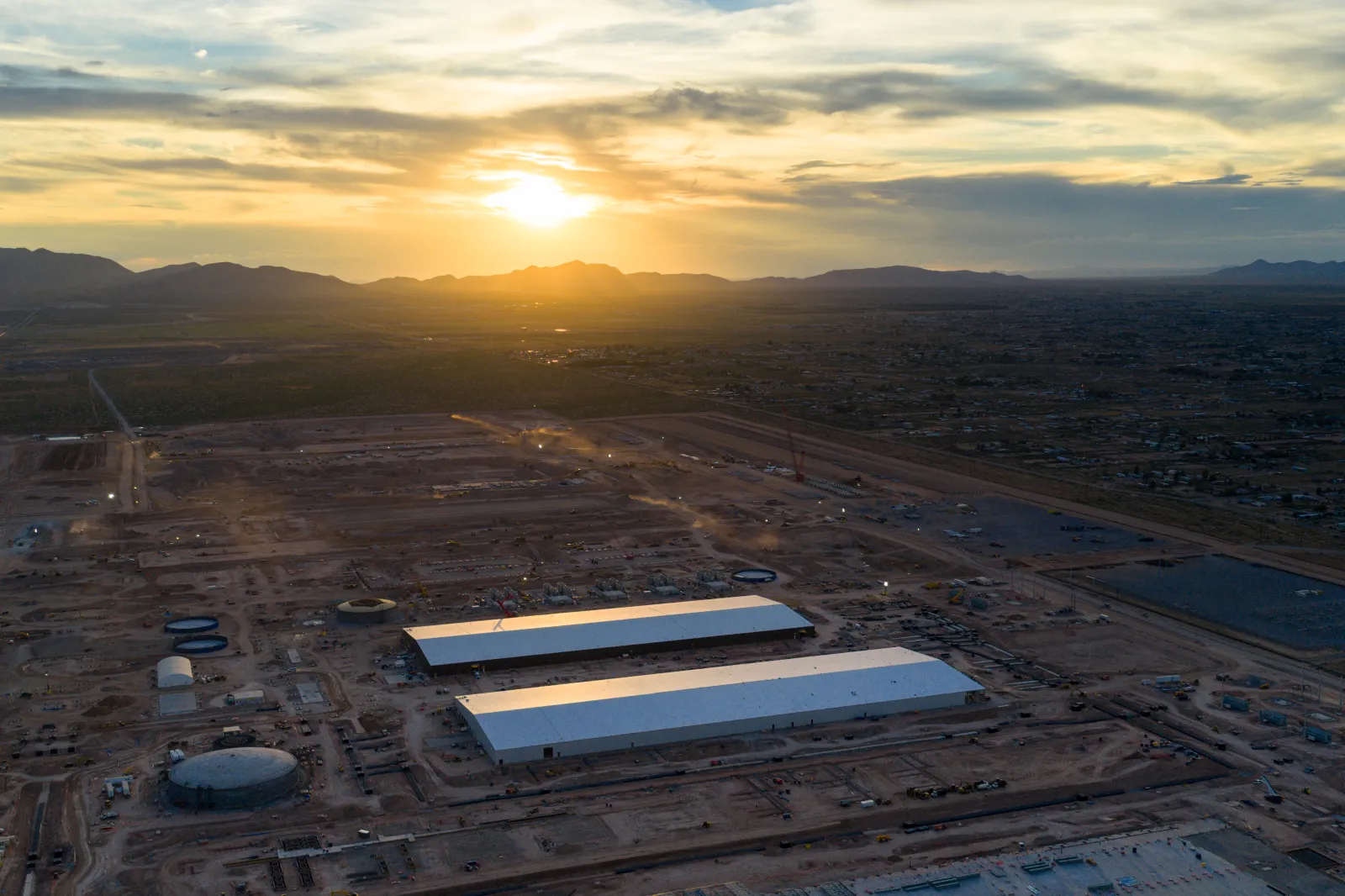
Developers themselves have acknowledged the source of this opposition while tacitly endorsing Abbott’s new measures.
“We understand why communities are asking more questions as the data center industry grows,” CyrusOne told Newsweek. “Data centers are highly secured facilities and cannot easily be opened to the public, so many people understandably have limited familiarity with how they are designed and operated.”
The company said it would be “premature” to comment on the ongoing audit before it is complete, but said it supports the governor’s “commitment to ensuring Texas’ growth protects grid reliability, conserves water resources, and puts families and communities first.
“We believe the policies Governor Abbott is advocating for will ensure that economic development can coexist with environmental protection and community contributions,” said Raul Martynek, CEO of DataBank, which operates an extensive network of data centers in Texas.
“Texas built its lead by becoming a leader in energy, information technology, and economic growth at the same time; one audit doesn’t undo that,” he added.
And some experts likewise believe a middle ground can be reached which captures the economic benefits of data center development while addressing community-level concerns over power demand, environmental impacts and Texans’ quality of life.
“Many companies have already announced their intentions to comply with the governor’s plan,” Cook told Newsweek. “I think we can protect quality of life—and even improve on it—while still growing Texas’s economy if the industry improves.”
Contact Newsweek editors on this story: Daniel Orton and Gray R. Thomas