
Austin, San Antonio and Fort Worth have either approved or proposed raising their property tax rates. Houston is keeping its property tax rate flat.
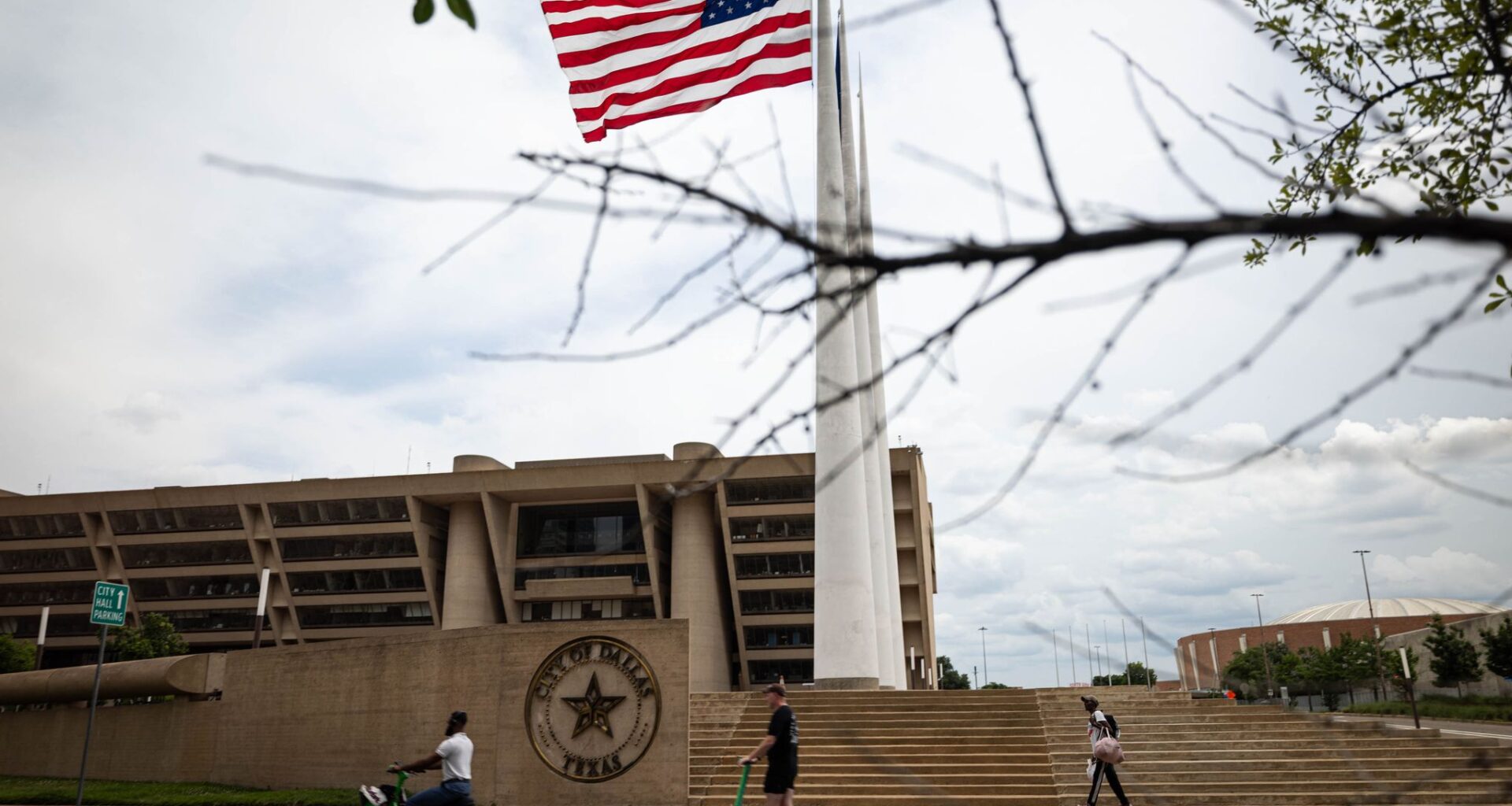
Only Dallas is considering a tax rate reduction. The city, which is saddled with expensive pension repayments, is cutting 200 vacant and 108 active positions to lower costs.
Texas cities are competing for new residents and businesses, prompting many to keep the property tax rates low.
Mayor Eric Johnson urged the city last month to reduce the tax rate, trim the budget of some city departments and use public-private partnerships to offload some services.
The proposed budget cuts the tax rate by 0.10 cents per $100 of taxable value. It’s the eleventh consecutive rate cut proposed.
Even with the cut, Dallas has a higher tax rate than Houston, Austin and San Antonio and many North Texas cities, though their economies are far smaller. The city’s rate is lower than El Paso’s and possibly Fort Worth if its rate hike is approved.
Council member Adam Bazaldua questioned whether it’s good governance to make “nominal cuts to save somebody a couple bucks annually” when the city isn’t breaching the state’s cap on revenues.
Dallas has already forfeited about $230 million due to tax cuts over the past decade. That’s close to what the city paid in pension contributions last year. Proposals to place advertising in parks or raise parking fees are on the table in Dallas to keep up with inflation and rising labor costs.
Utility and sanitation fees are potentially going up in every city. Property tax rates are going up in a few.
Austin: The Austin City Council raised the property tax rate by 3.5% to close the city’s budget gap to $1.3 million, KXAN reported. The council approved a $6.6 billion budget by increasing taxes and water, energy and drainage fees, reported the Austin American-Statesman. Water bills could go up by over $90.
El Paso: The city increased the tax rate by 3.8 cents, reported El Paso Matters. The city’s earlier budget documents show the city cut 75% of its vacant positions.
Fort Worth: The city proposed combating its revenue issue by raising fees and the tax rate, which could go up by 3.2 cents, according to the Fort Worth Report. The city had softer property tax appraisals and feared severe cuts could disrupt city services.
Houston: The city entered the budget cycle with a $180 million hole and overhauled the solid waste system, instituted a $5 fee to fund it and has decided to use money from the water bills to pay for those services instead of relying on the tax-backed general fund, reported the Houston Chronicle. The $7.5 billion budget was adopted in June.
San Antonio: Officials are proposing raising taxes and slashing $90 million in spending to close a $158 million gap in the city’s two-year budget. City leaders eliminated 101 positions, including 54 that were filled. Several programs that were utilized by few residents were also cut, reported the San Antonio Express-News.