
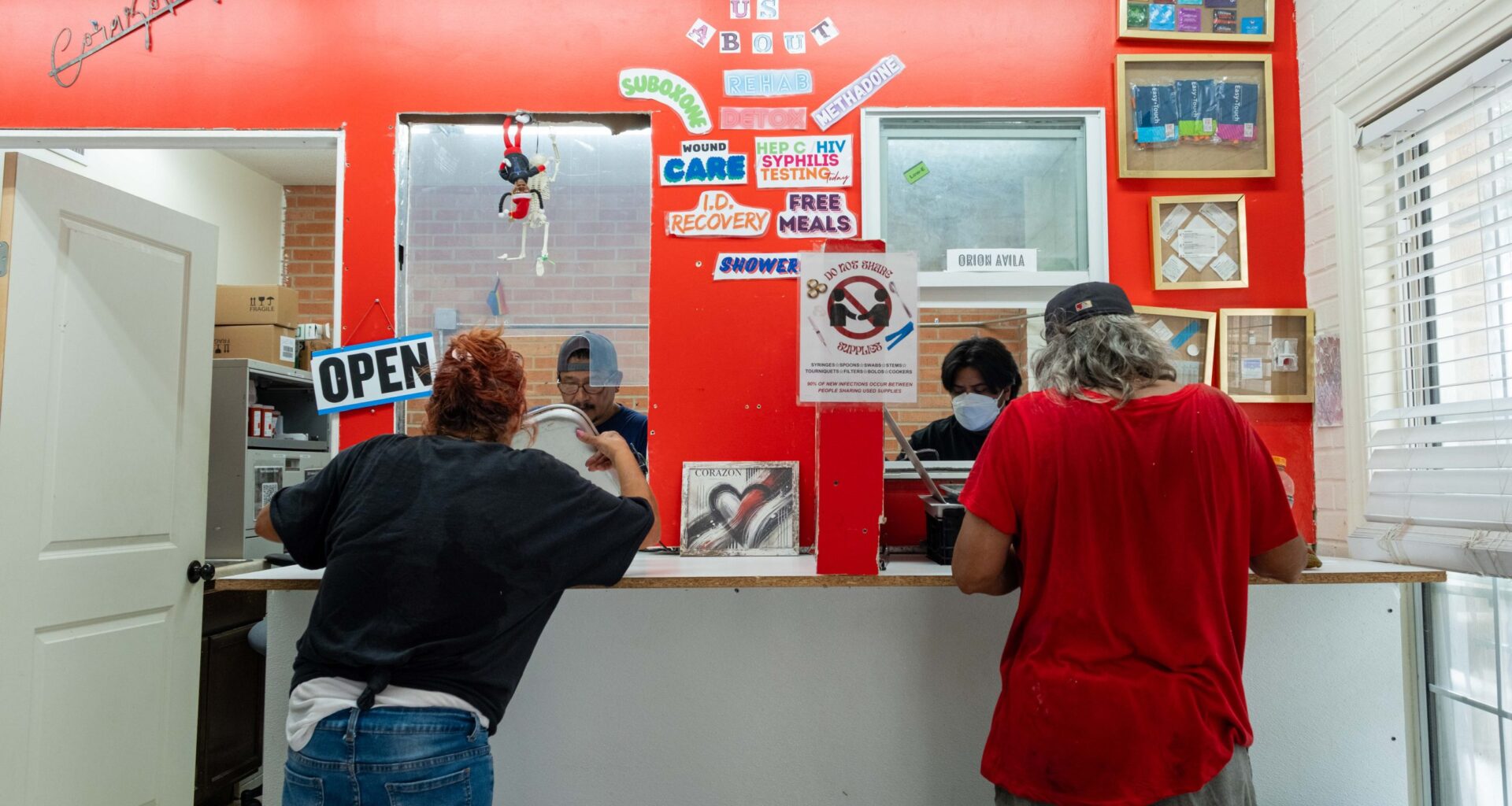
A greater share of San Antonio’s homeless population is reporting mental health issues, chronic disease and disabling conditions compared to three years ago.
Since 2023, the number of homeless individuals in Bexar County reporting a mental health condition has increased by 29%, chronic illness by 22% and one or more disabling conditions by 7%, according to data presented by Close to Home, Bexar County’s federally-designated agency responsible for coordinating regional efforts to reduce homelessness.
According to Close to Home President and CEO Katie Wilson, San Antonio has made progress on reducing chronic homelessness, specifically those with disabilities who have been homeless for more than a year. But “we struggle to help people access treatment beds (and) identify step down options after treatment,” Wilson said.
The organization held its annual state of homelessness meeting Wednesday, where local leaders gathered to talk about successes and areas that need improvement.
“Beyond having a safe place to stay, the most crucial services are those that help people actually access and stay connected to care,” Wilson said. “That includes behavioral health and substance use treatment, primary and specialty healthcare, medication management, transportation to appointments, benefits enrollment, and help navigating what can be a very complicated healthcare system.”
In 2025, 13,740 people sought homelessness assistance across Bexar County.
“By comparison, our emergency shelter served 7,186 people over the course of the year,” Wilson said. “And while those measures are not a one-to-one comparison, together, they still demonstrate the significant volume of need our system is being asked to respond to.”
San Antonio lost hundreds of psychiatric health beds earlier this year with the closure of Laurel Ridge Treatment Center, an issue that Wilson expects will bring more challenges to the behavioral health system in San Antonio.
The data is based on limited year-by-year snapshots of the homeless population in San Antonio, but could point to a sicker homeless population in San Antonio more burdened by mental and physical health challenges than in previous years.
Rhonda Mundhenk, President and CEO of Haven for Hope, San Antonio’s largest homeless shelter and services organization, said that if it is a true increase, there are two possibilities: the existing homeless population in San Antonio is getting sicker, or people who are newly homeless are entering the system sicker to begin with — or likely some combination of each.
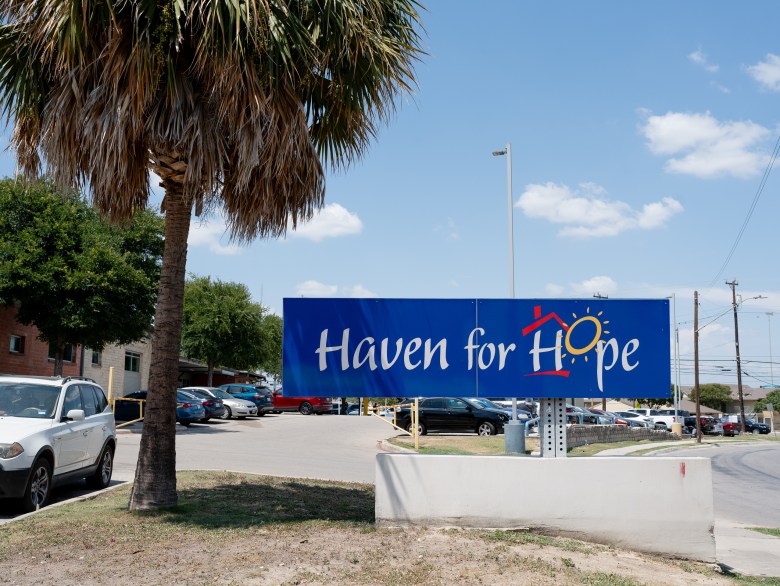 Haven for Hope opened in 2010 and has provides services for the homeless population. Credit: Brenda Bazán / San Antonio Report
Mundhenk explained that mental and physical health conditions both contribute to and are exacerbated by homelessness. Severe and persistent mental health conditions — untreated schizophrenia for example — can cause people to end up homeless. At the same time, living on the street often compounds or leads to new mental health issues.
“If I am homeless, I may well be depressed about my circumstances,” Mundhenk said. “I may well be anxious about my safety on the streets. I may progress to a state of hypervigilance. I may have experiences on the streets that [lead to] a diagnosis like PTSD.”
On the physical health side, health systems simply aren’t built for people without addresses, Mundhenk explained. And the more care needed for a chronic or disabling condition, the less likely someone living on San Antonio’s streets is to get proper care.
Mundhenk said that Haven for Hope is “doubling down” on addressing the intersection of health and homelessness by bringing new services to its campus in the next year.
Wilson, too, pointed to mental and physical healthcare access as a priority for addressing the city’s homelessness issues.
“When someone remains outside, it does not necessarily mean they have refused help,” she said. “Sometimes the right resource simply isn’t available when they need it. That’s why capacity has to be about more than adding beds, although that’s part of it.”