
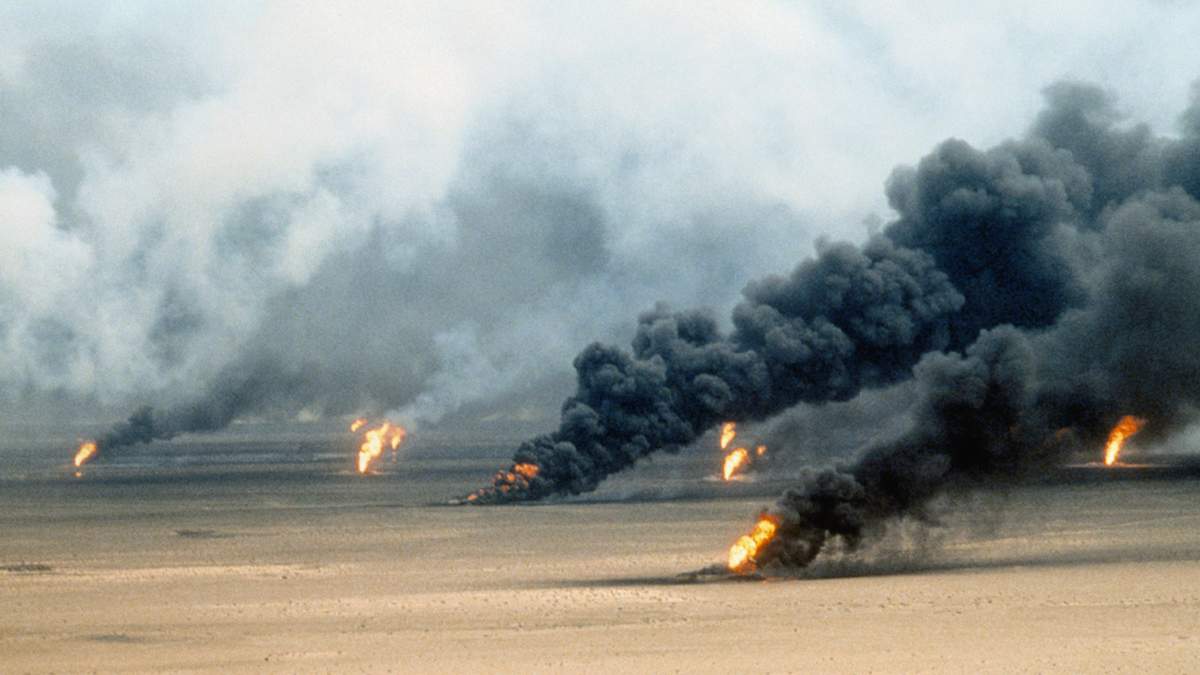
Since the beginning of the war in Iran there have been lots of oil wells that have been shut down because there’s nowhere to keep the oil.
When combined with significant bombing of storage tanks, refineries and pipelines, it’s becoming obvious that once the wars have ended it’ll be some time before oil wells, and therefore oil flows, can return to normal worldwide.
That’s because it takes time and a lot of careful work to bring an oil well back to life after it’s been “shut in” for a while, and some of the wells in Saudi Arabia and elsewhere have been inactive for more than a month or two.
Houston geologist Art Berman says well shut-ins can be a nightmare because there’s no predicting what will happen during the re-start.
“The very last thing in the world I ever want to do is to shut in a well,” he says, since it’s so hard to get a well going again.
“While the well was off there were all sorts of things going on in there, there are particles of tar from the petroleum, there are clay minerals that are clogging a very narrow and torturous pathway in between grains of rock, if you can imagine,” he says.
“I would guess that probably 80-percent of the wells that have been turned off will come back, pretty much at the levels they were at before.
“The remaining 20-percent, though, a lot of them are going to require work, which is money and time, they’re going to have to go in, do some engineering things to see if they can get things back to the way they were.
“Some of them will be unsuccessful, meaning some of them will never come back.”
We have to acknowledge, in facing the reality of the future of oil, that it may be some time, if ever, before the world goes back to relatively cheap, plentiful oil flows of 2025.