
Estate planning can be complicated, but making important decisions now could save loved ones time, expense, and uncertainty later. Austin attorney John Levy shares some common estate-planning mistakes and explains why a revocable trust may be worth considering.
Levy joined We Are Austin to discuss the differences between wills and trusts, the probate process, and why simply having estate documents isn’t enough—you also need to keep them current and make sure they can be found.
Why Levy Calls Probate “Voluntary”
A traditional will generally goes through probate, the court-supervised process used to administer an estate after someone dies.
“Probate has come to be known as a lengthy and expensive process to distribute assets—six months to a year or longer,” Levy said.
Levy often tells clients that probate can be “voluntary” because a properly established and funded revocable trust can allow certain assets to pass outside the probate process.
Privacy is another consideration. Levy noted that probate proceedings can create public court records, while a trust generally offers greater privacy.

Estate planning with John Levy: How a revocable trust can help loved ones avoid probate
You Don’t Have to Be Wealthy to Consider a Trust
The word “trust” may sound like something reserved for people with significant wealth, but Levy says that’s a common misconception.
“Some people think they have to be rich to have a trust. That’s not true,” Levy said.
Even someone with relatively modest assets, such as a home and bank accounts, may want to discuss whether a revocable trust makes sense for their circumstances.
Keep Your Estate Plan Current
Whether you choose a will, trust or another estate-planning strategy, Levy says one of the biggest mistakes is having no valid plan at all.
“By far the most important thing is having a valid will or a trust,” Levy said. “The biggest mistake is not having a will or a trust.”
Existing documents should also be reviewed periodically. Relationships and circumstances change, and the people you originally selected as beneficiaries, executors or trustees may no longer be the people you want handling or receiving your assets.
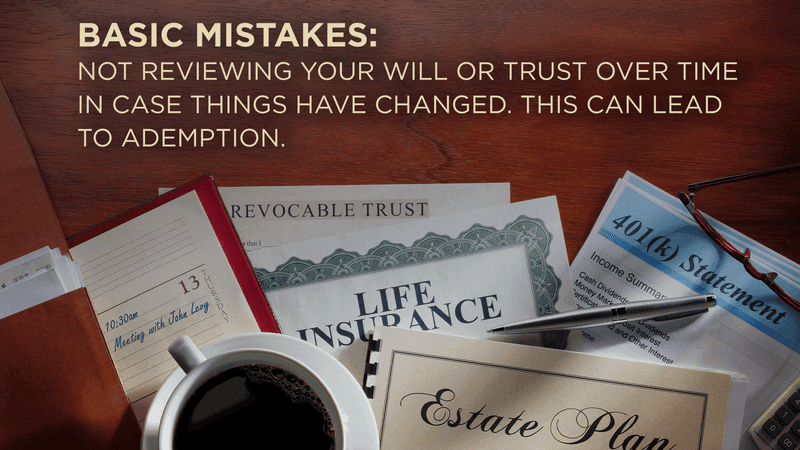
Estate planning with John Levy: How a revocable trust can help loved ones avoid probate
Make Sure Someone Can Find Your Documents
Even a carefully prepared estate plan won’t do much good if no one knows where it is.
“Don’t hide your estate documents so well no one can find them when you’re gone,” Levy said.
He also cautions against making a safe deposit box the only location for important documents, particularly if no one else has access.
If an original will cannot be located after someone’s death, additional legal complications can arise, and state intestacy laws may ultimately determine how property is distributed.
Start the Conversation
Levy offers phone consultations to discuss a person’s circumstances and available estate-planning options, with no obligation to move forward afterward.
For more information, contact John Levy at (512) 461-8622 or search for previous John Levy estate-planning conversations on the We Are Austin section of CBS Austin.
Estate-planning laws and individual circumstances vary. Consult a qualified attorney for advice about your specific situation.
Estate planning with John Levy: How a revocable trust can help loved ones avoid probate