
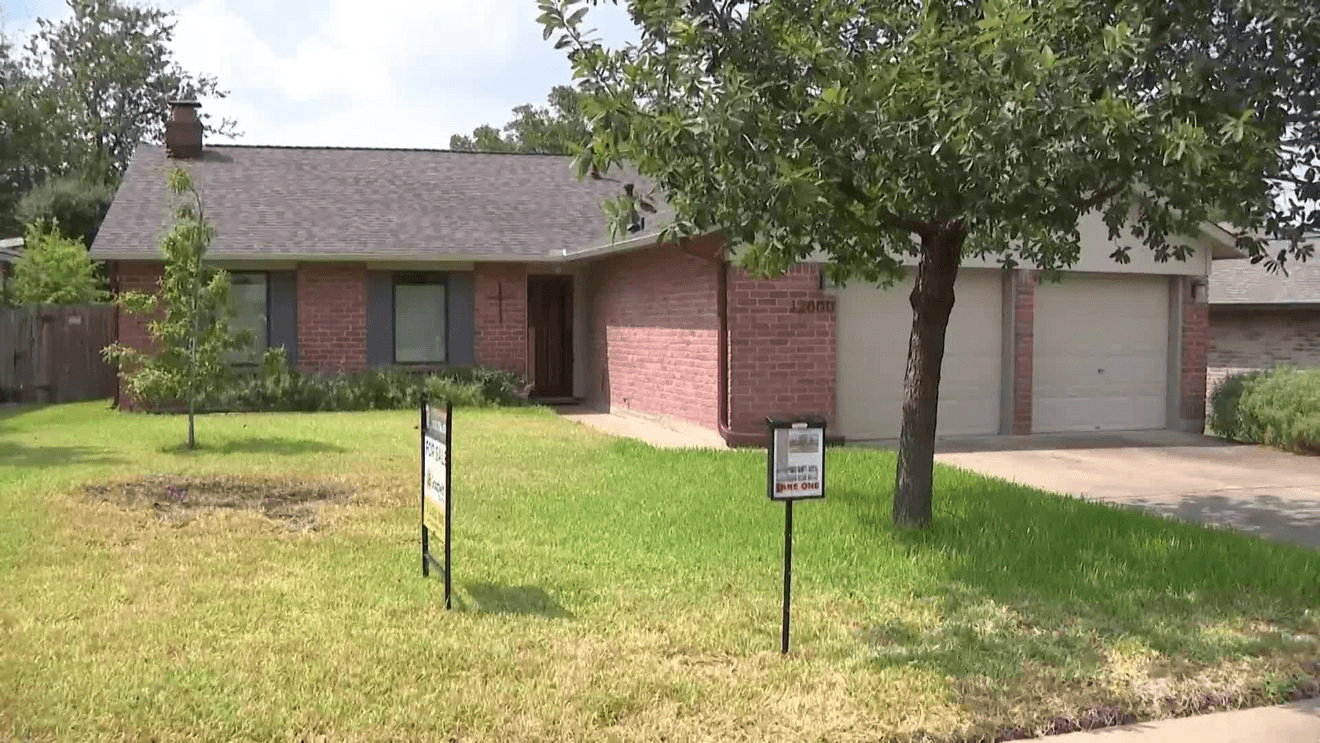
AUSTIN, Texas — Austin home prices continued to fall in July, dropping 1.4% compared with a year ago, but that decline is not necessarily translating into lower costs for residents or a smaller tax bill.
Austin is now a buyer’s market, according to the Home Buying Institute, which said the downturn has been underway for four years. The slowdown has been fueled in part by interest rates, or the cost of borrowing money to buy a home. There was no indication that the rate environment would change after the Federal Reserve did not lower rates last month.
“We understand that the five-plus years of inflation above target cannot be cured in nine weeks or by a single month of modest price decreases. This Fed will not waver,” Fed Chair Kevin Warsh said.
In Austin, City Council member Marc Duchen, who represents District 10, said residents are feeling pressure across the board.
“All of it points back to that people are being squeezed right now,” Duchen said.
ALSO| Austin parks rely on outside funding as maintenance needs reach $700 million
KEYE
Duchen said the housing market uncertainty is likely to make buyers cautious, and he said it also affects the city’s finances.
“It really means overall a smaller tax base, and the challenge from the budget perspective is that city hall has responded in the kind of worst possible way, right? Instead of making careful cuts, instead of being judicious, or holding our spending, my colleagues have consistently decided to increase spending,” Duchen said.
Austin City Council passed a new budget two weeks ago that includes a property tax hike at the state-mandated maximum of 3.5%, along with increased fees such as utilities. The changes amount to an increase of more than $350 next year.
“There’s a smaller pie of property taxes, right? Because of declining values, because of protests, as we increase our budget, we’re having to take more of each individual person,” Duchen said.
Even with home prices dropping for four years, Duchen said that does not mean it is cheaper to live in Austin.
“Even though the cost of housing is going down, are we still in an unaffordability crisis in the city of Austin?” I asked, “Oh, absolutely right. Part of the reason that housing costs are going down is that they’ve been astronomically high in a bubble for 5,6, years,” Duchen said.
Voters will also see a $295 million bond on the ballot in Austin in November, with the city asking for money to maintain the infrastructure of parks and recreation facilities.