
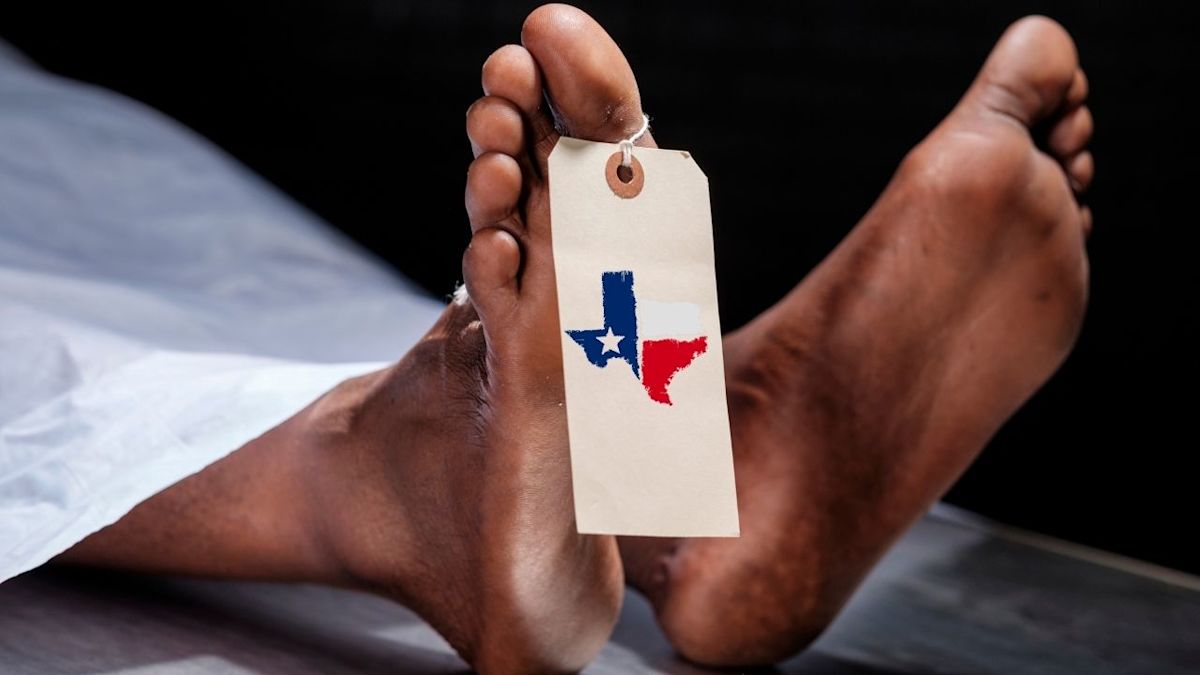
Texas published a broad package of new regulations Friday governing how donated human bodies and anatomical specimens may be received, transported, used, displayed, tracked, and handled after their authorized use ends.
The rules, published in the August 28 edition of the Texas Register, take effect September 6. New chain-of-custody form requirements will be implemented beginning October 6, according to the Texas Funeral Service Commission.
Bodies Must Be Tracked Through Final Disposition
The regulations apply to willed body programs, non-transplant anatomical donation organizations, anatomical facilities, and other authorized recipients of bodies or specimens donated for medical or forensic science. They do not govern organs or tissues donated for transplant.
Under the new chain-of-custody rule, the entity that first receives a body or anatomical specimen must initiate a commission-prescribed form. Each subsequent transfer must be documented and signed by the parties releasing and receiving custody.
Each custodian must retain a copy of the record for seven years after relinquishing custody. The person or entity responsible for the final disposition must retain the record for 7 years after the disposition. Records requested in writing by the commission or a district or county attorney must be produced within two business days.
The commission said the requirements are intended to ensure that every body and anatomical specimen is tracked from intake through final disposition. Electronic tracking systems must maintain an audit trail documenting the date, time, and identity associated with each entry.
Public Display and Ticket Sales Restricted
A separate provision prohibits displaying human bodies or anatomical specimens as public spectacle or entertainment.
The adopted rule states that no person may sell admission, tickets, or access to the general public to observe the display, dissection, or examination of a body or anatomical specimen.
Educational observation remains permitted when four conditions are met: documented donor consent, use in an approved setting, qualified supervision, and a legitimate educational, training, or research purpose.
The rule does not prohibit accredited museum or scientific exhibitions conducted with documented consent and appropriate dignity protections, subject to any additional commission approval. It also permits consent-based public memorials or donor-recognition events that do not display human remains as spectacle.
Identifying features—including a donor’s face, tattoos, scars, or identification numbers—may not be displayed publicly without donor consent or appropriate dignity protections.
Donor Instructions Control Final Disposition
When an authorized entity is not permitted by law to receive a donation directly from a donor or the donor’s representative, it must return the body or specimen to the willed body program or non-transplant anatomical donation organization that provided it.
Entities legally permitted to receive donations directly must bury, incinerate, or cremate the body or specimen in accordance with applicable law once its authorized use has ended.
“To the maximum extent permitted by law,” the regulation states, a donor’s informed authorization controls the manner of final disposition and the handling of anatomical specimens. If residual cremated remains are to be returned, the cremation chamber must be cleaned before its next use, and the remains may not be commingled.
The rules also require bodies and anatomical specimens to be transported securely and with the least possible public display. Organizations importing anatomical material into Texas must notify the commission, and the material falls under state jurisdiction upon entering Texas.
Rules Follow Transfer of State Oversight
The regulations implement Senate Bill 2040, enacted in 2023. The legislation transferred oversight of willed body programs, non-transplant anatomical donation organizations, and anatomical facilities to the Texas Funeral Service Commission while establishing registration, inspection, informed consent, and enforcement authority.
The changes follow heightened scrutiny of body-donation and anatomical-use practices. As previously reported by The Dallas Express, the president of the University of North Texas Health Science Center resigned due to a controversy involving the institution’s use of unclaimed bodies. The university acknowledged deficiencies in controls and oversight within its Willed Body Program.
Organizations registered or authorized before the new rules take effect will not have to submit another initial application or undergo another initial inspection solely because of the changes. The updated registration and inspection requirements will generally apply beginning with each organization’s first renewal after September 6.