
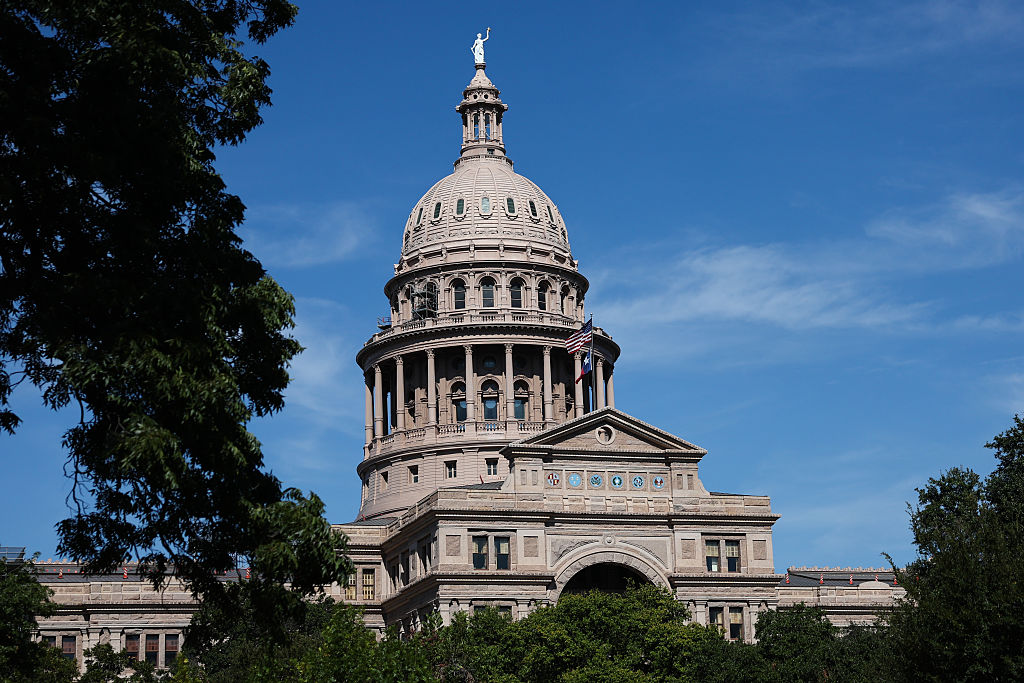
Texas legislators faced a tumultuous bill cycle last year. Education funding was held hostage by the lieutenant governor during a tear about THC. State funding for private education vouchers created a stark chasm between parties and several special sessions were called. But in between all the infighting and party division, several laws were drafted and passed.
Education funding will look different in the coming year, solar panel predatory practices may finally be in check, and Apple just got served a Texas-sized dose of legislation. Here are the most impactful bills taking effect in Texas on September 1.
But special education has long been a source of debate, particularly regarding funding. Now, Texas lawmakers have decided that special education funding will be based on the intensity of services a student receives rather than the sheer number of students who qualify for special education services. Senate Bill 568 will officially take effect on September 1.
While there’s been strong support for the bill, there have also been significant concerns about its implementation. For example, the bill introduces more intensive reporting and public accountability requirements that may take slow-moving public school districts time to adopt.
The companies that have ushered in door-to-door salesmen pedaling solar panels have been under intense scrutiny over the past year. Predatory practices, missing or faulty products and disappearing LLCs have all shaken Texas in a relatively unregulated market.
But come September 1, solar panel companies that sell dreams of self-sustaining homes and low energy bills will be regulated… somewhat. Texas Senate Bill 1036 will require these companies to register with the Texas Department of Licensing and Regulation. Even individual salespeople will be required to register before knocking on doors.
In theory, this will keep these companies more accountable. It also means residents can more safely identify who’s really selling solar to them using a registration number.
For years, major cell phone and personal electronics manufacturers – particularly Apple – have been criticized for their repair practices. Smaller repair shops were often left to learn by fire how to repair iPhone screens or internal parts, scouring markets for third-party replacement parts, and often faced angry customers when the fix meant Apple or other companies would partially void warranties or deny repairs due to the outside job.
As of September 1, Texas will officially implement its “right to repair” law. This means manufacturers of small electronics will be required to make repair parts, manuals and tools available for purchase by individuals and independent repair shops. Home appliances, medical devices, video game consoles and other electronics are exempt, but phones, tablets and laptops are not.