
EL PASO, Texas (KFOX14/CBS4) — A new UTEP-led study found that 12% of children’s toys tested from stores in El Paso and Ciudad Juárez contained metal concentrations above limits established in U.S. and Mexican toy safety standards.
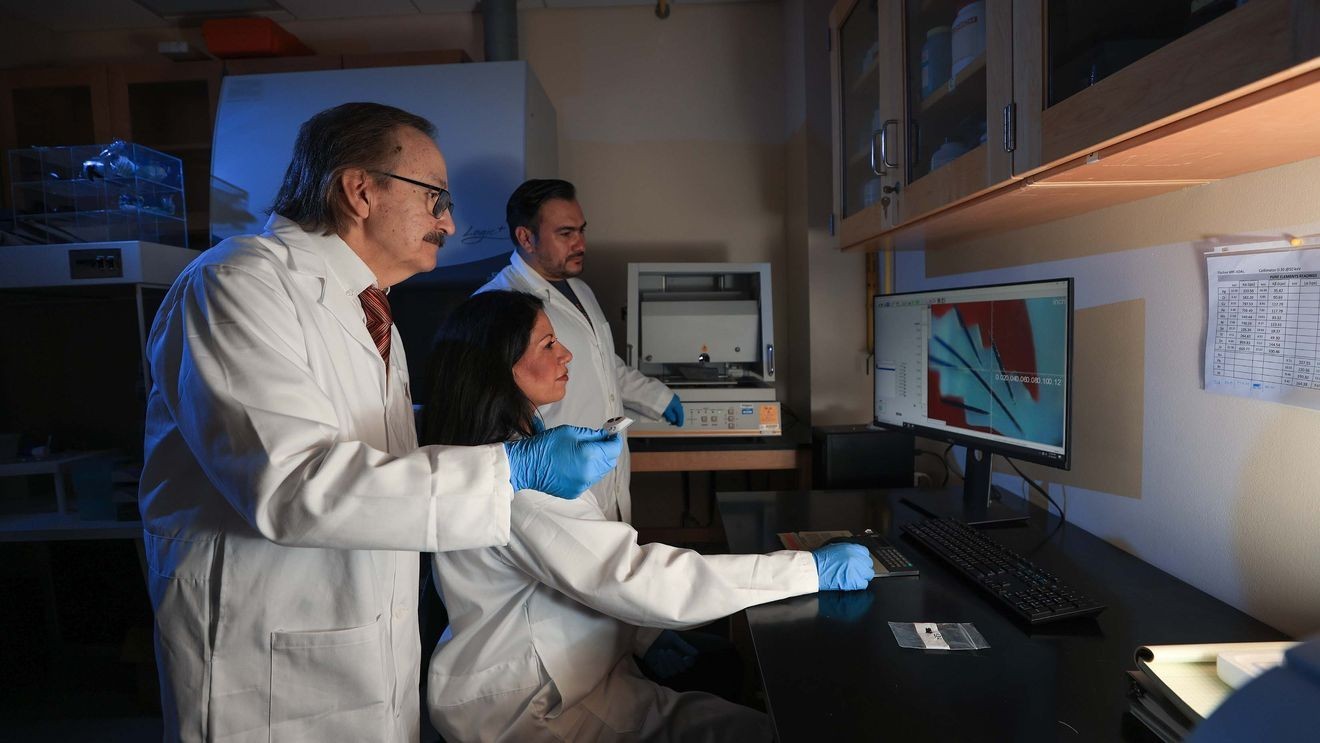
Researchers screened 333 toys purchased over 11 months — 109 in El Paso and 224 in Ciudad Juárez — using X-ray fluorescence spectroscopy, or XRF, to identify elements on the products’ surfaces.
The study, published in the journal Environmental Pollution, is described by UTEP as the first binational screening of hazardous metals in toys sold along the U.S.-Mexico border.
Researchers found 78% of the toys contained at least one element of potential concern, while about one in eight contained three or more. Nickel was found in more than a third of the toys tested, including one item made of 100% nickel and four others containing more than 60% nickel.
Lead was detected in 3% of the toys, primarily inexpensive children’s jewelry. Some decorative metal components contained as much as 67% lead, according to the release.
RECOMMENDED: Guide: Everything you need to know/fan guide for Karol G concert at Sun Bowl
UTEP-led study screens El Paso and Juárez toys, finds metals above safety limits (credit: UTEP)
Arsenic was found in 18 toys and cadmium in 15 toys. Those items were all purchased in Ciudad Juárez, researchers said. Both elements are classified as carcinogens by the International Agency for Research on Cancer.
In total, 40 samples contained metal concentrations above toy safety thresholds. Toys bought in Ciudad Juárez were about three times more likely to exceed those levels than toys bought in El Paso, even after researchers accounted for differences in product types, according to the study. Children’s jewelry, which made up about 41% of the sample, was identified as the highest-risk category.
Researchers stressed that the findings are a screening-level indicator of potential risk, not confirmation that the toys violate regulations. XRF measures the total amount of metal present, while safety rules are based on how much metal can migrate from a product through contact with saliva or sweat.
Children are not small adults. Their bodies take in heavy metals more readily than ours do,” said Jorge Gardea-Torresdey, a UTEP chemistry and biochemistry professor and the study’s senior author. “And because their organs and detoxification systems are still developing, the same exposure that an adult might tolerate can cause far greater harm.
The research team plans to conduct follow-up testing to determine how much metal may leach from toys during real-world use and to expand the research to other border communities.
“A bracelet or a pair of earrings can cross an international line in an afternoon,” Gardea-Torresdey said. “Our results make the case for harmonized safety standards, better labeling and continued monitoring to protect the roughly 565,000 children who call this binational community home.”
The project included researchers from UTEP and the Universidad Autónoma de Ciudad Juárez.
Sign up to receive the top interesting stories from in and around our community once daily in your inbox.