
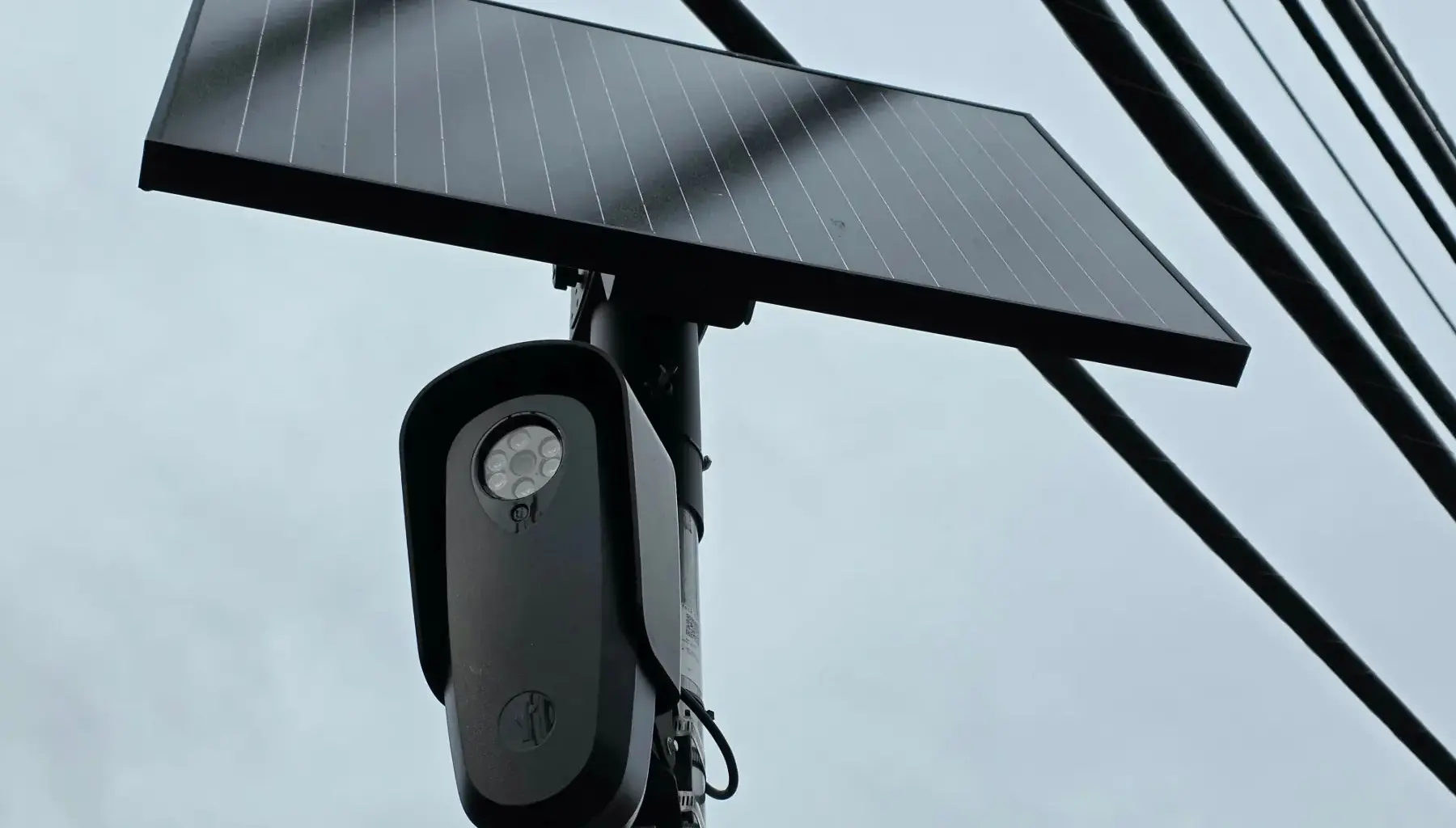
Two Dallas council members want to cut the city’s AI surveillance spending.
This morning, the Dallas City Council will once again take on the budget for next year, and take the first of two votes on that budget. (The second and final vote will happen on September 16.) We’ll have more about what the budget will likely look like prior to that vote in two weeks. At this point, the budget is somewhat complete. Advocates for things like arts, parks, libraries, and animals will make their case for why those things shouldn’t be drastically cut.
The presentation today talks about some of the budget amendments council members have proposed, and where that money will likely come from. You can see all of the amendments they’ll look at here, but I want to point out two that involve the use of AI surveillance.
Councilmember Chad West is proposing that the city end its use of AI-enabled cameras on the city’s garbage trucks. It’s a plan that was briefed in a memo in November, where Assistant City Manager Alina Ciocan told the Council that the 100 cameras mounted on 50 trucks would capture images of properties for code compliance purposes. Back then, Ciocan said it would allow code enforcement to work more efficiently, and the collected data could also inform planning, neighborhood outreach, and grant reporting. It seems that the city’s argument for them hasn’t changed—in today’s budget materials, staff says the program prompted 1,800 courtesy notices and improved efficiency. West says it would save the city $852,000, which could be spent on reducing the average sanitation collection rate by 20 cents per month.
The second request is from Councilmember Adam Bazaldua, who wants to defund the city’s Flock camera participation to the tune of $1.5 million. His proposal would put $1 million toward infrastructure like sidewalks and street lights, and $500 million to eviction advocacy support. It’s worth noting that the Dallas Police Department announced yesterday that it would cancel 321 cameras after Gov. Greg Abbott ordered that state money cannot be used for Flock cameras. That will go into effect on September 15, and will leave roughly 300 cameras still operating. “These cameras remain an important investigative tool and are used daily by detectives and officers to develop leads, identify vehicles associated with criminal activity, and assist in solving crimes,” the department said.
You can watch the meeting here.
Loading…