
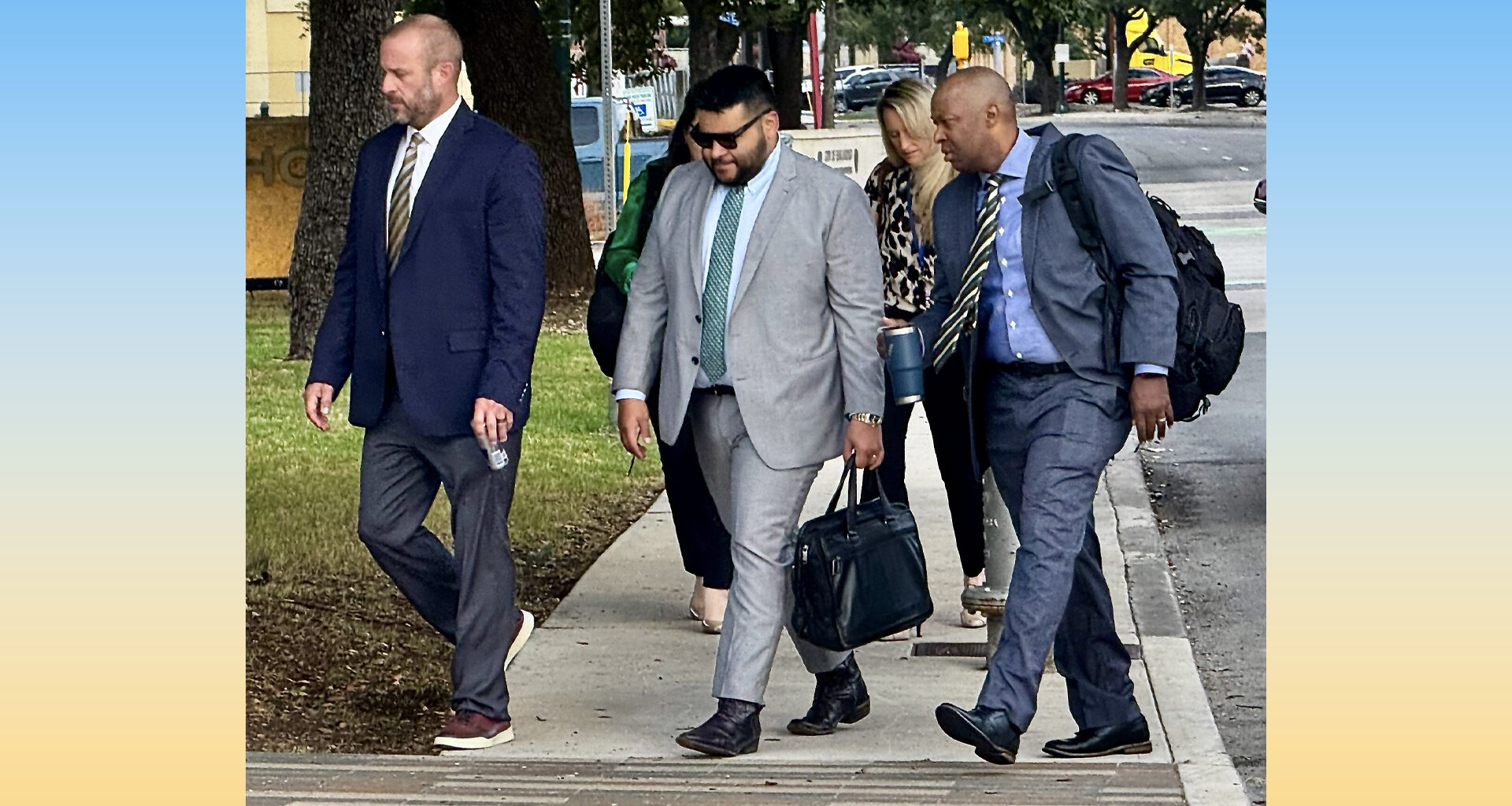
Joshua Allen claimed an “error infects the trial” that convicted him and Michael Cox of securities fraud and conspiracy.
The two Lubbock businessmen were convicted on August 18 in San Antonio. They are currently held in federal custody until their sentencing date in December. Both face a statutory maximum of 70 years.
Hundreds of investors, many of them in Lubbock, lost millions of dollars in Lubbock-based Ferrum Capital – the company Allen and Cox co-founded.
Allen’s attorney, Anthony Box, wrote in court records Tuesday, “It is undisputed that the [financial] instruments in this case – the Ferrum Capital instrument – were promissory notes. To find a defendant guilty of securities fraud, a jury must determine if the instrument at issue is in fact a security.”
Box claimed the jury was given bad instructions based on the wrong legal standard of what is (or is not) a security.
What are securities?
The Texas State Securities Board provides a definition online.
“The term ‘security’ is defined broadly to include a wide array of investments such as stocks, bonds, notes … and investment contracts,” the TSSB website said.
Not every note or loan is a security, Box argued. The Supreme Court of the United States set up a test that considers whether the note looks more like an investment versus a commercial loan. It also considers what the investing public might expect.
Box argued the test given to jurors was designed for a different type of investment, not promissory notes like those sold through Ferrum.
The error is so bad, Box argued, that it “infects” all four counts against him – not just securities fraud.
“This error entitles … Allen to a new trial rather than merely an overruling of the conviction on Count 4 [securities fraud],” Box wrote.
Federal prosecutors have not yet filed a response in court records. The question will be decided by U.S. District Court Judge Fred Biery.
Allen and Cox ‘restrained’
In another big development since the trial wrapped up, Biery restrained Joshua Allen and Michael Cox from selling, moving or concealing their assets last week.
Assistant U.S. Attorney Kristy Callahan in a request to Biery wrote, “[Cox] cannot and should not be trusted to manage his assets before his victims can be compensated.”
She wrote the same thing about Allen too.
“It does not appear that the United States … has complete and accurate information about all of [Cox’s] business dealings,” Callahan said in her filing.
She claimed Cox was allowed to keep a home and three retirement accounts in his 2024 personal bankruptcy.
“These assets can be dissipated,” Callahan wrote.
But she’d like an opportunity to forfeit them to the government to pay back victims.
Callahan added that Allen’s financial status was “opaque.”
Prosecutors put a lien on Allen’s 5,185-square-foot home in June, which for the coming tax year has a taxable value of just less than $1.2 million, according to the Lubbock Central Appraisal District. And there was already a temporary restraining order on Allen’s business interests even before he went on trial.
Callahan listed more than 40 companies in which Allen either holds a financial interest or owns.
“[Allen] should be restrained from making decisions that could impede the ability to recover restitution,” Callahan told the judge.
An FBI investigation started with Ferrum’s affiliate Brooklynn Willy in San Antonio – and that remained the geographic center of the case even thought Ferrum was based in Lubbock. Willy pleaded guilty this year and will also be sentenced in December.
No longer presumed innocent
“Post-conviction defendants ‘no longer are bathed with the presumption of innocence,’ and the court has the power to restrain assets between the time of conviction and the time of sentencing,” Callahan said.
The value victims lost has been listed differently in various court records.
The indictment against Allen and Cox claimed, “Hundreds of victims invested approximately $67 million into Ferrum Capital.”
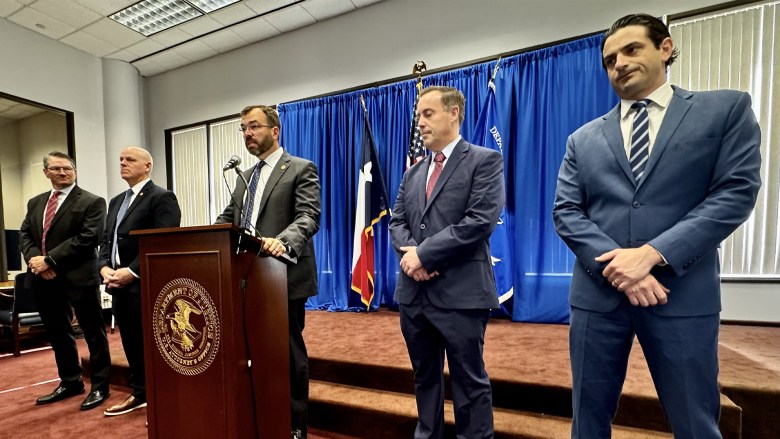
Justin Simmons, United States Attorney for the Western District of Texas, said, “Conservatively, $50 million was lost across 500 victims.”
Simmons spoke the day after a jury found Allen and Cox guilty.
“What kind of money they’ll actually have to pay … is unknown, but we will pursue that as long as it takes,” Simmons said.
Court records do not yet list a timetable for recovering money on behalf of the Ferrum victims. However, victims have until September 3 to file a claim in a civil lawsuit, which we described here.
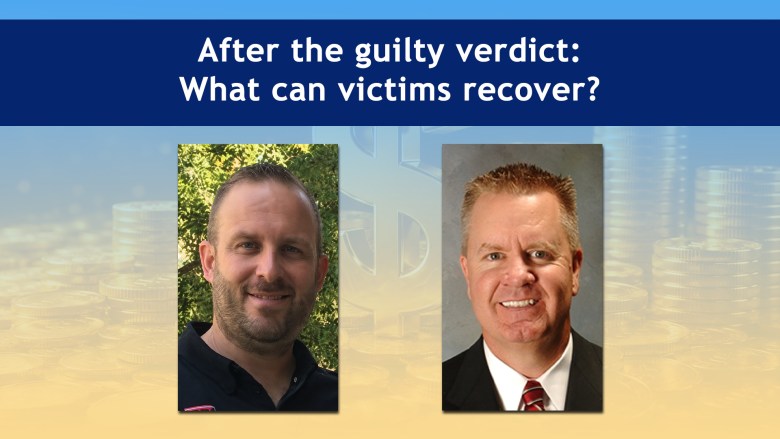
After recent Allen/Cox convictions where do Ferrum victims now stand on getting back their money?
August 20, 2026
August 19, 2026
August 18, 2026
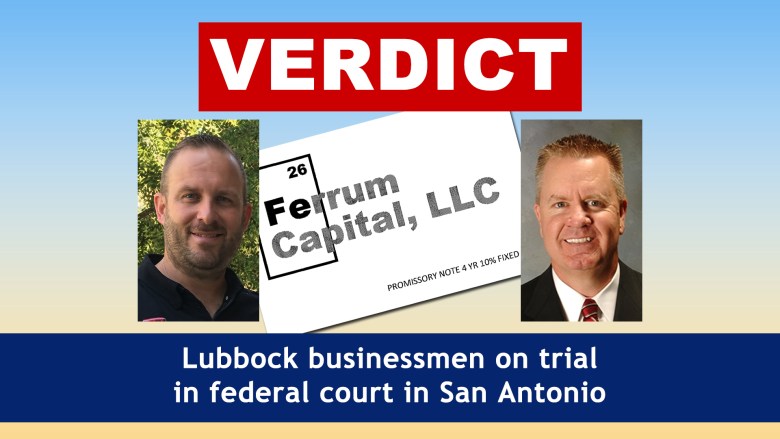
Breaking news: Allen and Cox found guilty on all four counts in Ferrum Capital case
August 18, 2026
August 18, 2026
August 17, 2026

August 14, 2026

August 14, 2026

August 13, 2026
August 12, 2026
August 11, 2026
August 10, 2026

August 7, 2026

August 6, 2026
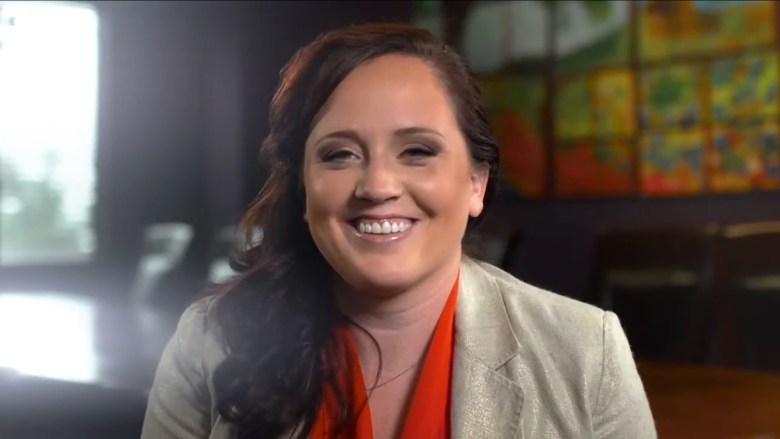
Willy sentencing delayed – part of Ferrum Capital criminal case
August 3, 2026

July 30, 2026

July 21, 2026
Judge denies Allen’s request to push back criminal trial set for August 10
July 2, 2026

No plea deal and none expected in Ferrum case as Allen seeks delay and prosecutors balk
June 19, 2026
June 12, 2026

Ferrum Capital investors have until September 3 to file a claim — here’s how
June 4, 2026
June 1, 2026

Collection efforts against Joshua Allen in Walk-On’s case successfully completed
May 15, 2026

May 13, 2026

Ferrum victims may have one place to file claims if judge approves at May 19 court hearing
April 28, 2026
April 15, 2026
April 13, 2026

March 23, 2026
March 19, 2026
Feds update charges against Willy in Lubbock-based Ferrum Capital case, could take her assets
March 4, 2026
Related

Related posts