
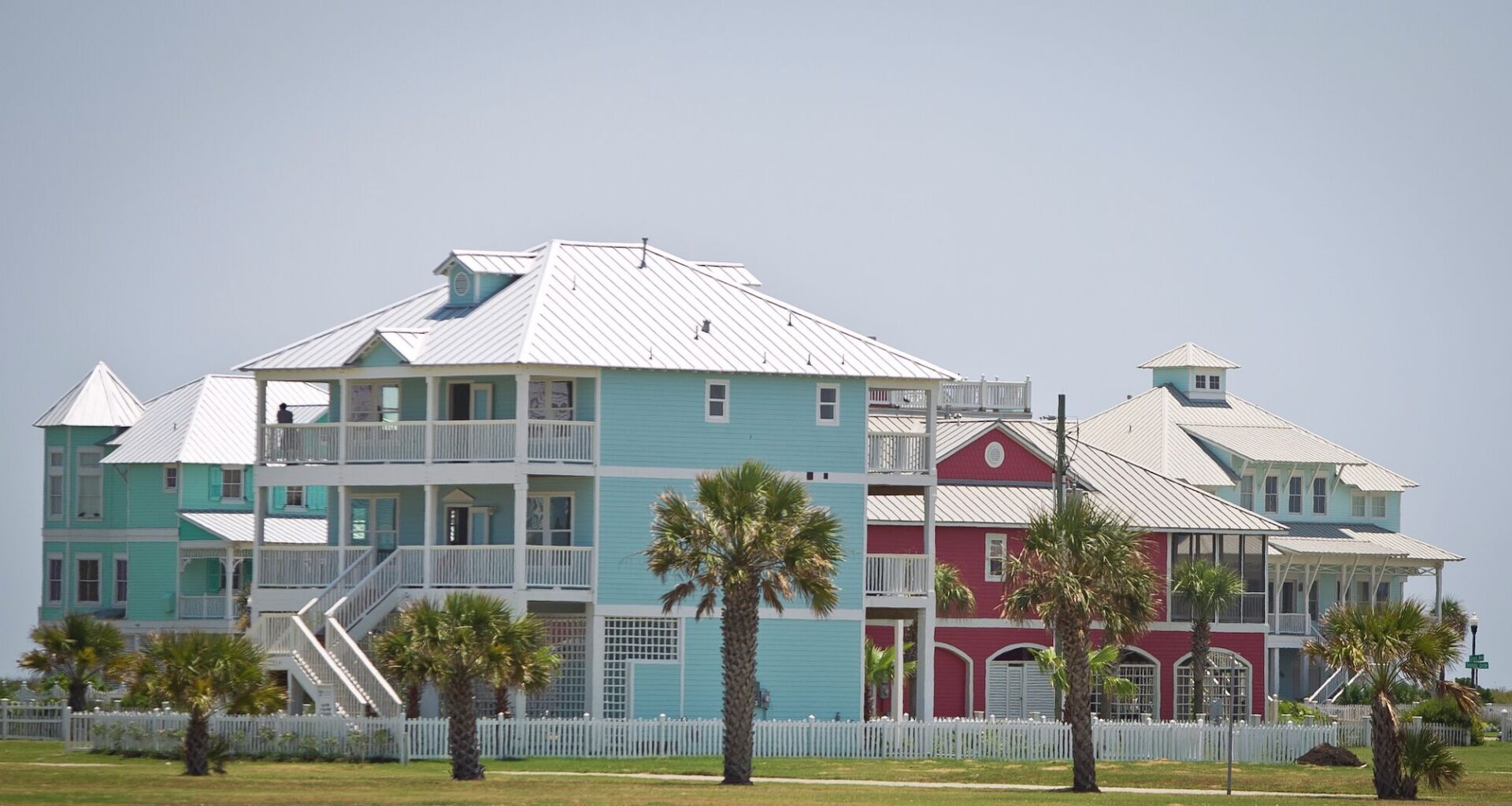
Members of the Texas Windstorm Insurance Association’s legislative and external affairs committee got an earful Tuesday when public officials and private citizens urged them to stop a proposal that would have eliminated residential coverage for secondary homes in coastal counties.
Of the 295 people who submitted written comments ahead of the meeting, only four supported the proposal, moderator Kristina Contardo announced. Among those weighing in against the proposal included the mayors of Port Aransas and South Padre Island, Nueces County Judge Connie Scott, and officials with the Galveston Short-Term Rental Alliance, Coastal Windstorm Insurance Coalition, and the South Padre Island Board of Realtors, among other stakeholder organizations.
District 23 Rep. Terri Leo Wilson (R-Galveston) led off the meeting’s public-comment period with a lengthy statement, concluding by saying that secondary homes on the coast are “the very reason we have TWIA in the first place.”
“We do not want Galveston looking just like it did in the 1970s, with abandoned homes that are left on the taxpayers that are left here to deal with, with a city with no HOT [hotel-occupancy] tax,” Wilson continued. “This will absolutely devastate my community.”
Wilson’s colleague Todd Hunter, who represents District 37 in Aransas and Nueces counties, went even further, claiming that even bringing the proposal to the public’s attention amounted to a recipe for “panic, headache, problems.”
“You’ve created an issue,” Hunter said. “You have impacted the financial community, the mortgage lenders, the banks—now they think TWIA is moving forward to cut off these people’s insurance, which [is essential to] financial stability. You now have chambers of commerce [and other] organizations contacting their legislators, saying, ‘This action would devastate us,’ like the representative said. It will!”
Sally Bakko, the City of Galveston’s director of policy and governmental relations, expressed the city’s “significant concerns” about the proposed change. She added that it was especially unwelcome so soon after Davie Defense announced its plans to build icebreaker ships for the U.S. Coast Guard at its newly acquired Gulf Copper facility, which the Canadian defense company said could add up to 2,500 jobs in the community.
“Removing second homes from TWIA coverage impedes local recovery following a hurricane, cripples Galveston’s local economy that relies upon a quick return of visitors to the island, [and] dismantles [the] rental market at a time when it is needed most to offer housing opportunities to a growing shipbuilding and supportive industry workforce,” Bakko said.
Even committee member John Todd, who introduced the idea of limiting secondary-home coverage at its June meeting, seemed taken aback by the opposition it received, admitting he had unwittingly “kicked a hornet’s nest.”
“Basically, I feel like our objective should be straightforward, and I want to preserve the reliable wind coverage for the retirees, port workers, first responders, teachers, and the other Texans [who] live and work on the coast,” Todd said. “I think we need to lower the long-term cost of that coverage as much as reasonably possible and ensure that TWIA is financially prepared to pay claims following major storms.”
If approved, Todd’s proposal would have been among the recommendations included in TWIA’s biennial report to the Texas Legislature for the 2027 session. But in the end, the proposal failed 2-1—after the members made it clear they had no intention of tabling the item to revisit later and preferred to reject it entirely.