
Isabel Bustos/The Cougar
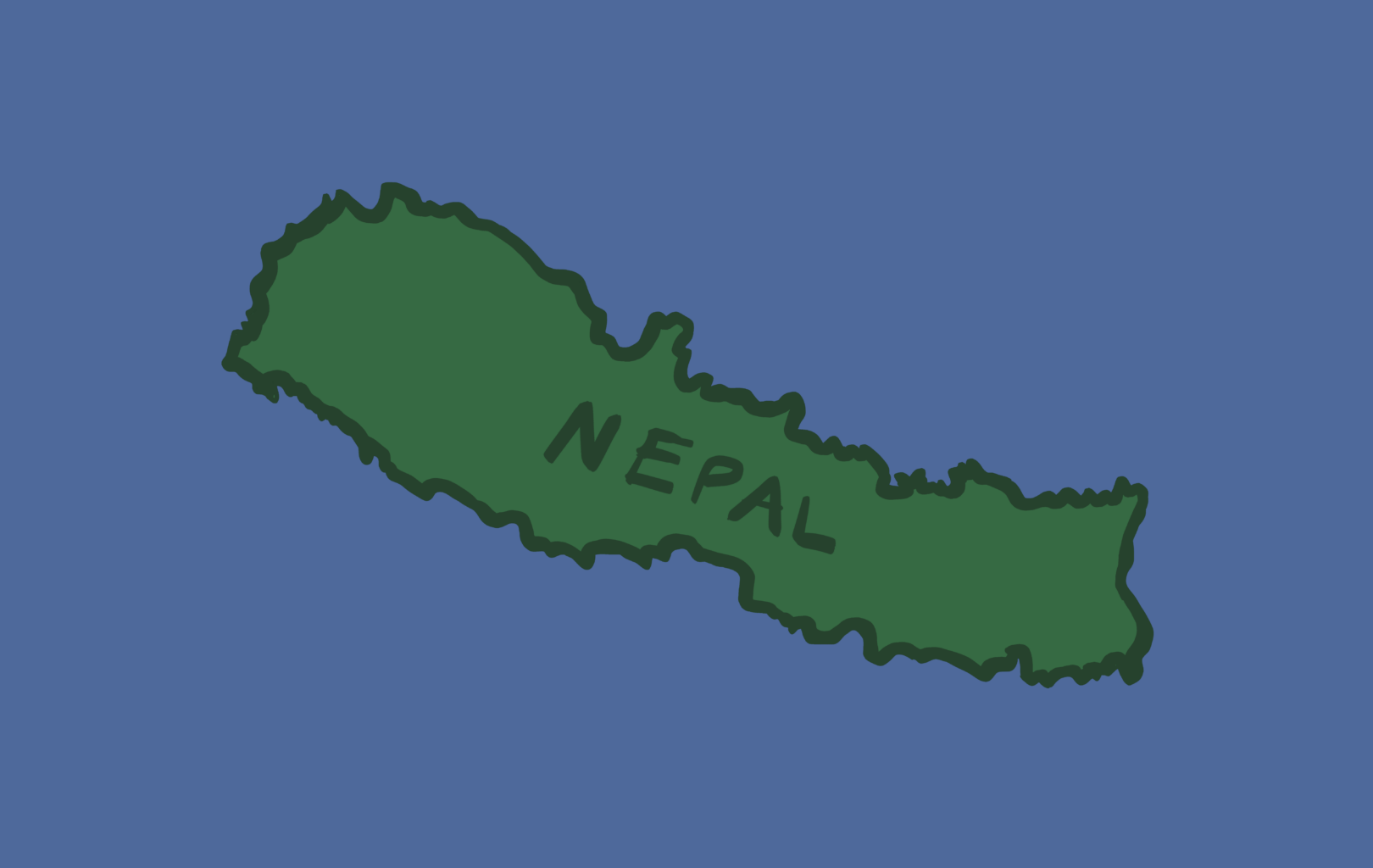
On Aug. 26, floods swept through Nepal causing massive destructions in the country. In the days since, the death toll has crossed 1,000 and thousands more remain missing.
Nepalese students at the UH Nepalese Student Association have responded to the devastating floods in their home country with shock and despair, while also finding ways to help from afar.
“We collected funds to donate over there so that they can help,” said President of the NSA-UH Ganesh Lamichhane. “I’m also trying to communicate with my friends in Nepal so they can give some clothes, not just money and maybe food also.”
Lamichhane’s family lives just a few miles from the areas worst affected by the floods. Friends of friends have died trapped in hydropower tunnels, where hundreds of workers are trapped.
This devastation weighs heavily on Lamichhane. He hails from a hilly part of Nepal and worries about the ability for rescuers to reach people and distribute resources in remote areas with difficult terrain.
“I’m a PhD student here, I have to do the research, but I am always thinking about what’s going on,” Lamichhane said. “Are they alive or dead? Can they recover all the bodies or not?”
He also voiced concerns about the broader impacts of the floods and widespread casualties on Nepal’s linguistic diversity. Over 120 languages are spoken, many of them highly local.
“Let’s say there are 10 houses in one place and they wipe out all these houses,” Lamichhane said. “They can speak a very particular language, so we are losing their culture, their language. It’s a massive loss for us.”
NSA-UH outreach officer Evyak Joshi first heard about the floods on social media, then through messages from friends and family. His initial reaction was shock and disbelief, both of which quickly morphed into concerns for his community.
However, despite being far away Joshi also hasn’t been idle. His uncle is president of the Nepali Association of Houston and started a GoFundMe, as well as a fundraiser with Congressman Al Green. Joshi encourages people to support relief efforts locally, mirroring well with Lamichhane as well.
“It’s honestly really hard being here and not able to physically help or be there with them. There’s a helplessness that comes with watching this unfold from a distance,” Joshi said.
The floods felt like reminiscent of the 2013 Uttarakhand floods in India, said NSA-UH Vice President Pratik Poudel, where he lost nine of his neighbors, including two family members.
Now, Poudel is able to empathize deeply with people who have lost their loved ones. He’s keeping in touch with his family, who are near the flooded Narayani River but safe.
“For the most part, I don’t feel that being in the U.S. has made me less helpful,” Poudel said. “If I had been in Nepal, I don’t know how much I could have done to alleviate the situation directly. By being here, I can continue working and contribute financially to relief efforts in ways that I might not have been able to otherwise.”
Call for action
At the global level, Poudel believes that the floods highlight issues with early-warning systems and climate change preparedness.
The floods were caused by a chunk of ice that snapped off a glacier and tumbled into the valley below. Glaciers around the world are increasingly unstable because of human-caused global warming, caused by burning fossil fuels.
Though international support has emerged for Nepal, organizations like the United Nations should address climate-related disasters with greater urgency. Nepal makes up for a small share of global carbon emissions, yet is currently facing the brunt of the consequences of climate change, Poudel said.
“Ultimately, I don’t think the question should only be, “Why did this flood happen?,” Poudel said. “We should also be asking: “What could we have done to prevent so many people from dying, and what can we do now to make sure this doesn’t happen again anywhere in the world?”’
Students can donate to the Nepali government directly here.
news@thedailycougar.com