
The Brief
Flock is introducing proactive audits to detect atypical search patterns and prevent police officers from misusing license plate reader data.
State funding pauses forced Dallas to cut 321 cameras, but the city continues to fund 363 active cameras, which DPD credits with helping solve 13 murders this year.
While Flock emphasized its cameras lack facial recognition, at least one city council member questioned retaining camera data for 365 days.
DALLAS – A representative from the company that produces the controversial Flock license plate readers faced Dallas City Council members on Tuesday.
The company worked to reassure city leaders that it is creating more checks and balances.
Flock cameras in Dallas
What’s new
After outcry across the country, Flock said it is now doing proactive auditing of police department search patterns. If it determines there’s something atypical about a search, it will alert department leaders.
If there is any abuse of the system, the Dallas Police Department said strict disciplinary measures will be taken.
The representative from Flock also emphasized that the cameras do not have facial recognition technology.
“This is a tool only used for investigative purposes. We can’t say that for all the other cameras around us today. We also have an auditing system to track every click. Every search can be audited,” said Trevor Chandler, Flock’s director of public affairs.
The backstory
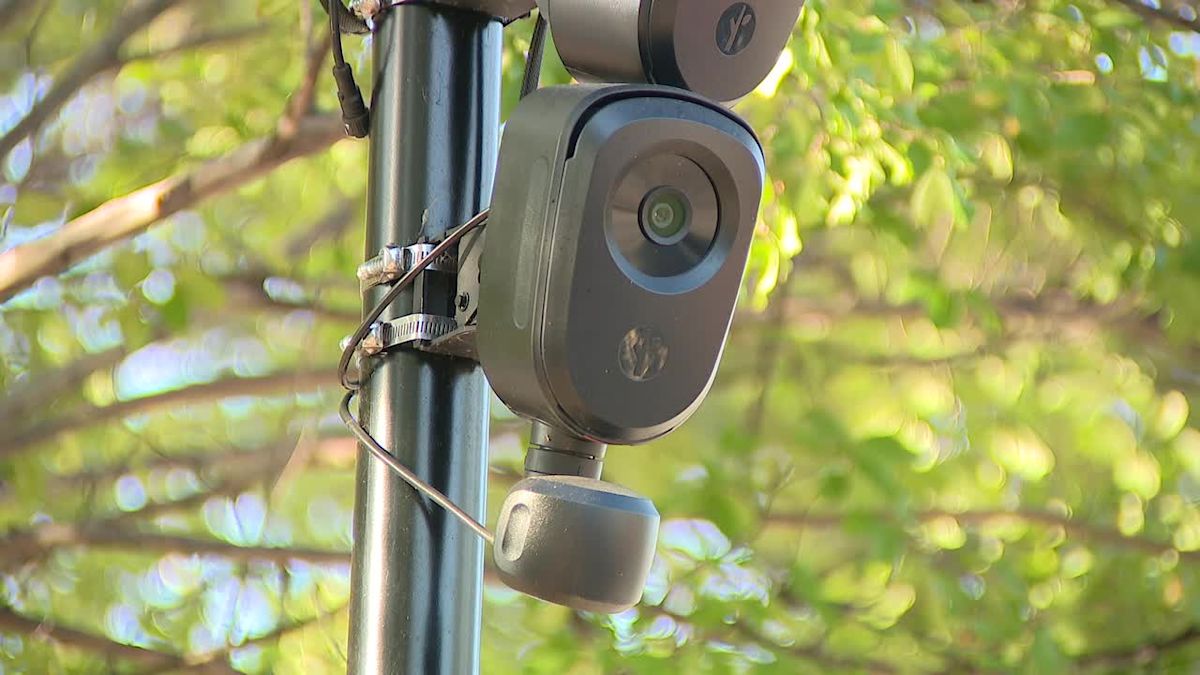
Flock cameras scan license plates and other visible vehicle information, which police can then use to track stolen cars or suspects wanted in violent crimes.
The problem is that officers in some cities have been caught misusing the data to stalk ex-spouses and personal acquaintances.
Gov. Greg Abbott recently ordered all state agencies to pause funding for the cameras.
Local perspective
Dallas has 648 Flock cameras but had to cancel the contract on 321 of those cameras because of the governor’s recent order. The remaining 363 cameras will continue to be funded by the city.
DPD said so far this year, the cameras have helped to solve 13 murders, in addition to other violent crimes. The department also pointed to an example of how the cameras recently helped to find an endangered woman with dementia driving in Dallas.
Councilman Chad West questioned whether Dallas really needs to keep camera data 365 days. However, DPD argued it needs to retain its data for that long because sometimes it takes time to develop a suspect in a violent crime case, and there are also some crimes like sexual assault that victims delay reporting.
The Source
The information in this story comes from a Dallas Public Safety Committee meeting held on Tuesday.