
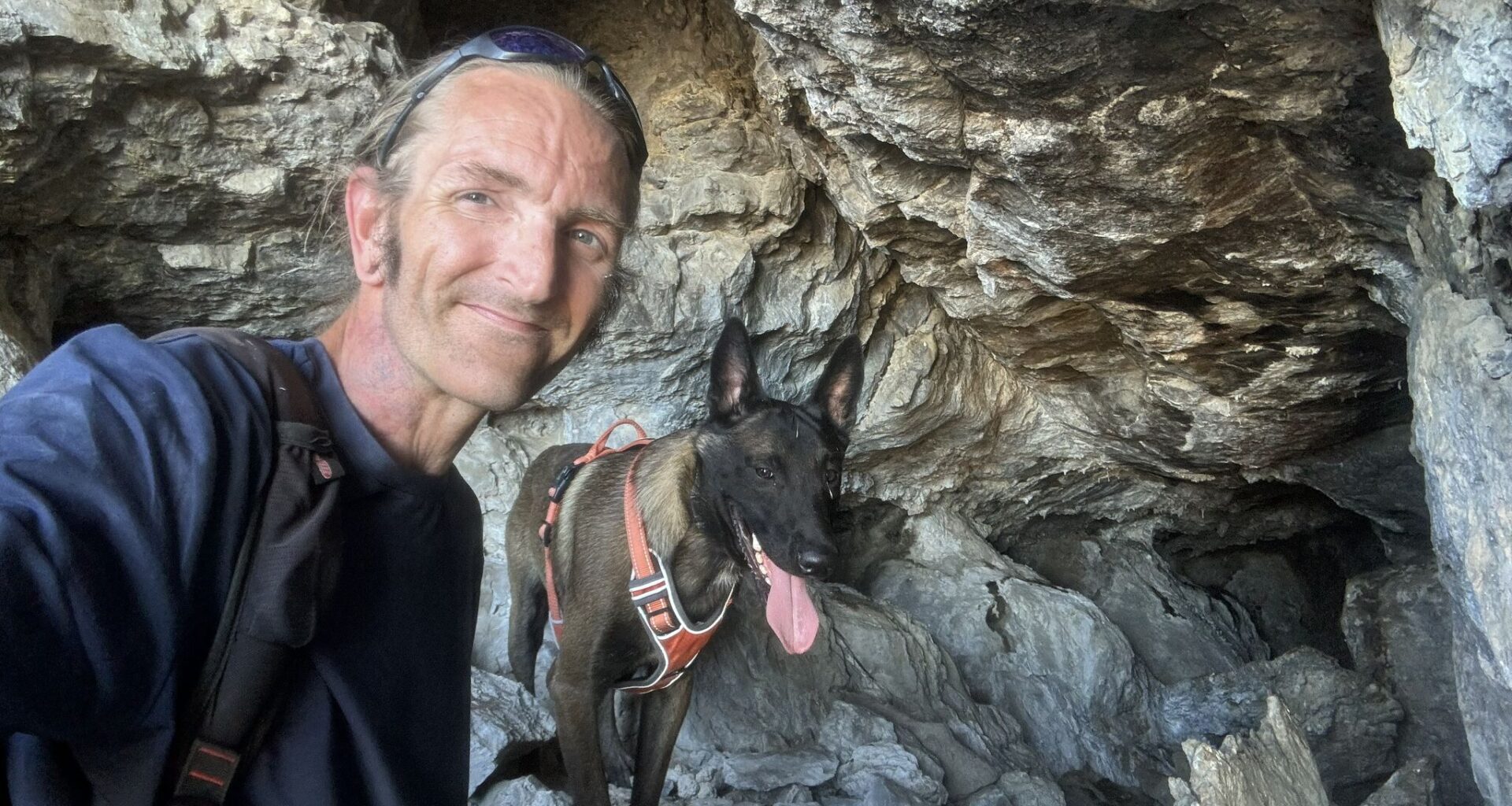
A federal judge has granted a temporary restraining order blocking Austin from euthanizing Major, a dog who has been held in isolation at the Austin Animal Center for more than 500 days as the owner has fought a court order to put down the animal because of aggression issues.
In his latest legal maneuver, Shane Lilly filed a federal disability lawsuit arguing that the 3-year-old Belgian Malinois is a service animal trained to help him manage a traumatic brain injury and seizure disorder. The petition requested an immediate order blocking Major’s impending euthanization, which the city had delayed as it attempted to arrange a final visit between owner and dog. Filings show Lilly had been asked to come to the shelter at 9 a.m. Friday.
Senior U.S. District Judge David Alan Ezra granted Lilly’s request Thursday afternoon, overriding a previous judge’s euthanization order in a case that started with a dog bite in March 2025 and wound its way to the Texas Supreme Court with Lilly representing himself.
A written order was unavailable at the time of publication.
In a statement, the city said it was aware of the lawsuit and “will follow the direction of the court.
“Austin Animal Services will continue to provide care for Major until a decision is reached,” the statement said.
Lilly and his legal team could not be reached for comment Thursday.
The case, first reported by the American-Statesman last week, has generated significant public outrage with more than 10,000 people signing an online petition calling for Major to be freed. Even Willie Nelson, known for his animal advocacy, has weighed in, warning the city that the way it handles the case “will have a lasting effect on your relationship with the people of Austin.”
Some animal rescue organizations that have rallied for Major’s release celebrated Thursday’s ruling on social media.
“Major is SAFE from euthanasia for the time being! Keep pushing because there’s so much power in the people,” a post from Jack Jack’s Pack Street Dog Rescue said.
Lilly, who has represented himself throughout the case, retained two lawyers in recent days. The attorneys sued the city Wednesday on Lilly’s behalf in U.S. District Court.
The petition argues that local officials violated the Americans with Disabilities Act by failing to properly evaluate the dog’s role as a service animal before ordering its death.
Lilly’s lawsuit says Major has been trained to alert him before seizures, help him keep his balance, assist him on stairs and open doors. The dog responds to voice commands, hand signals and cues from an e-collar, according to the filing.