
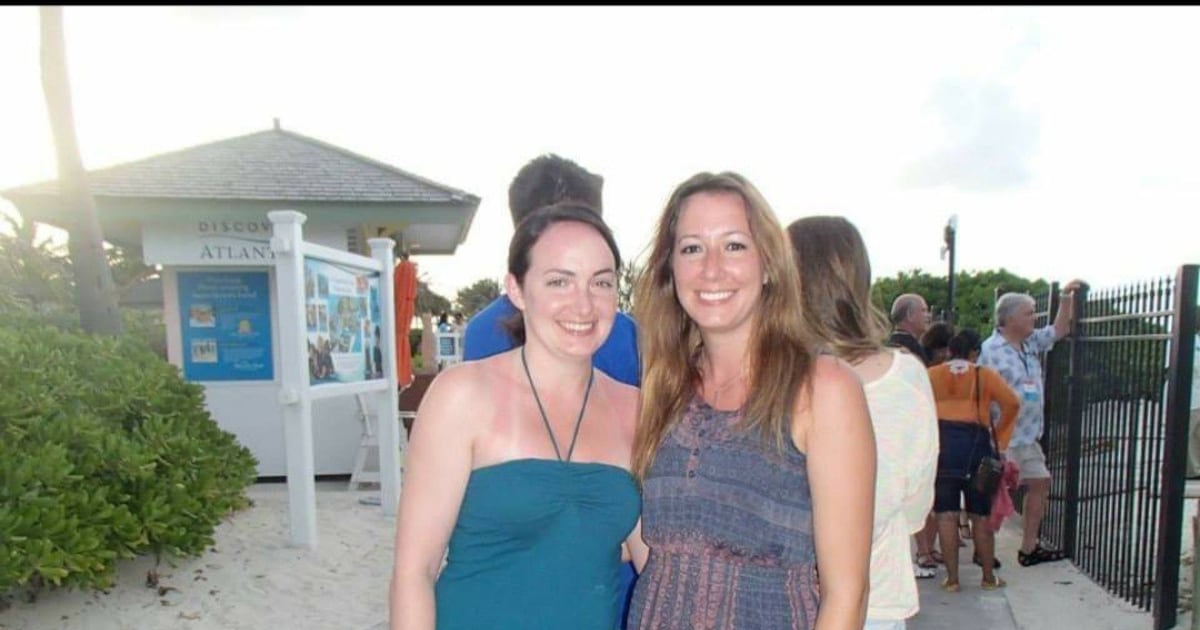
The sister of Laura Harrison, who was killed in 2016 by her husband Anthony in their McHenry home, shares a story about the silence surrounding domestic violence and a sister’s love.
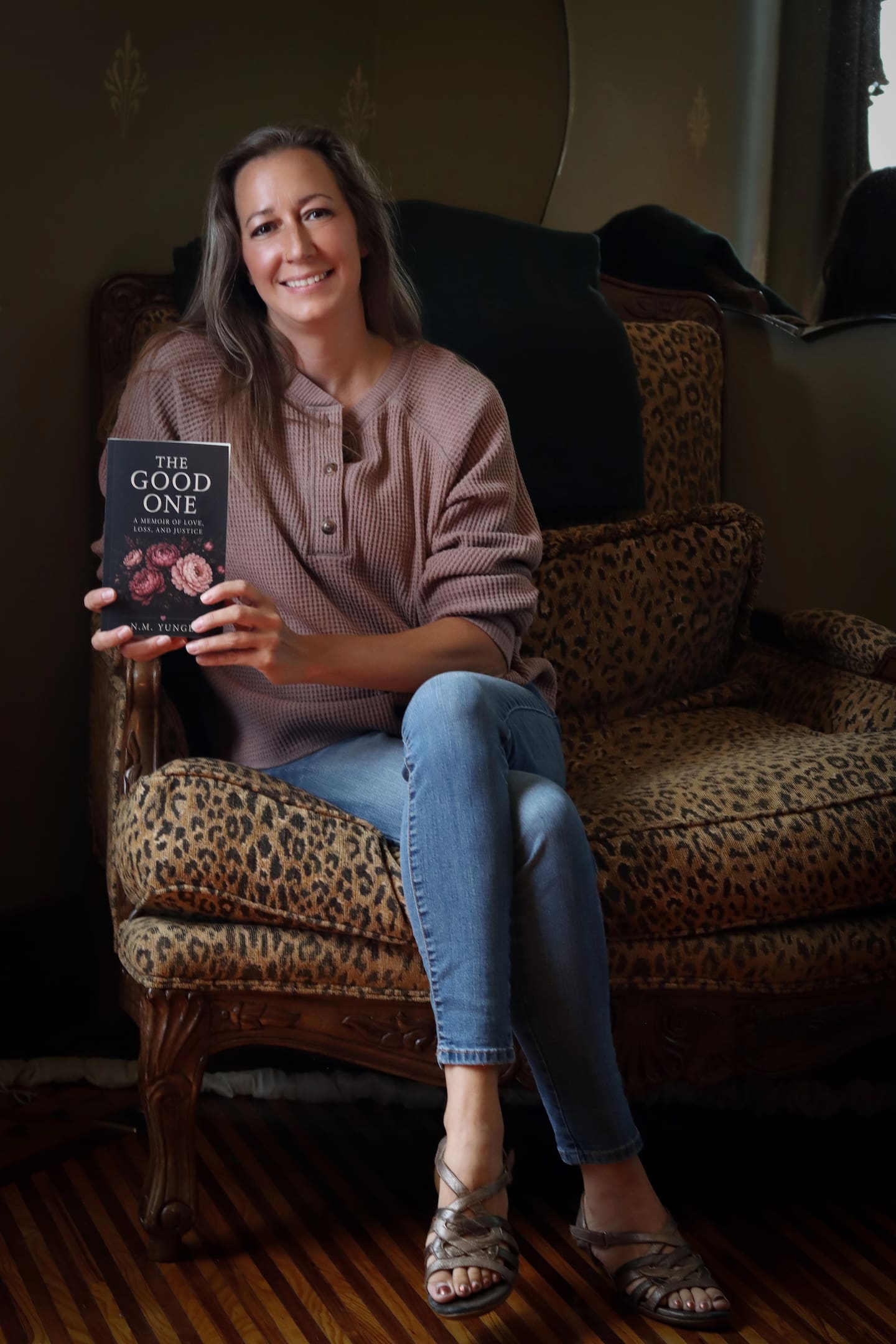
Nichole Yunger, 40, of Plano, who wrote the book under the N.M. Yunger, recently self-published “The Good One: A Memoir of Love, Loss and Justice.”
Yunger never thought she would author such a book, but as she writes in the book’s preface, “Life doesn’t give us choices when it comes to grief. It only asks us how we will carry it.”
The book is Yunger’s way of honoring her sister, preserving her memory and supporting domestic violence awareness efforts. She hopes the book gives a voice to victims and the families left behind, she said.
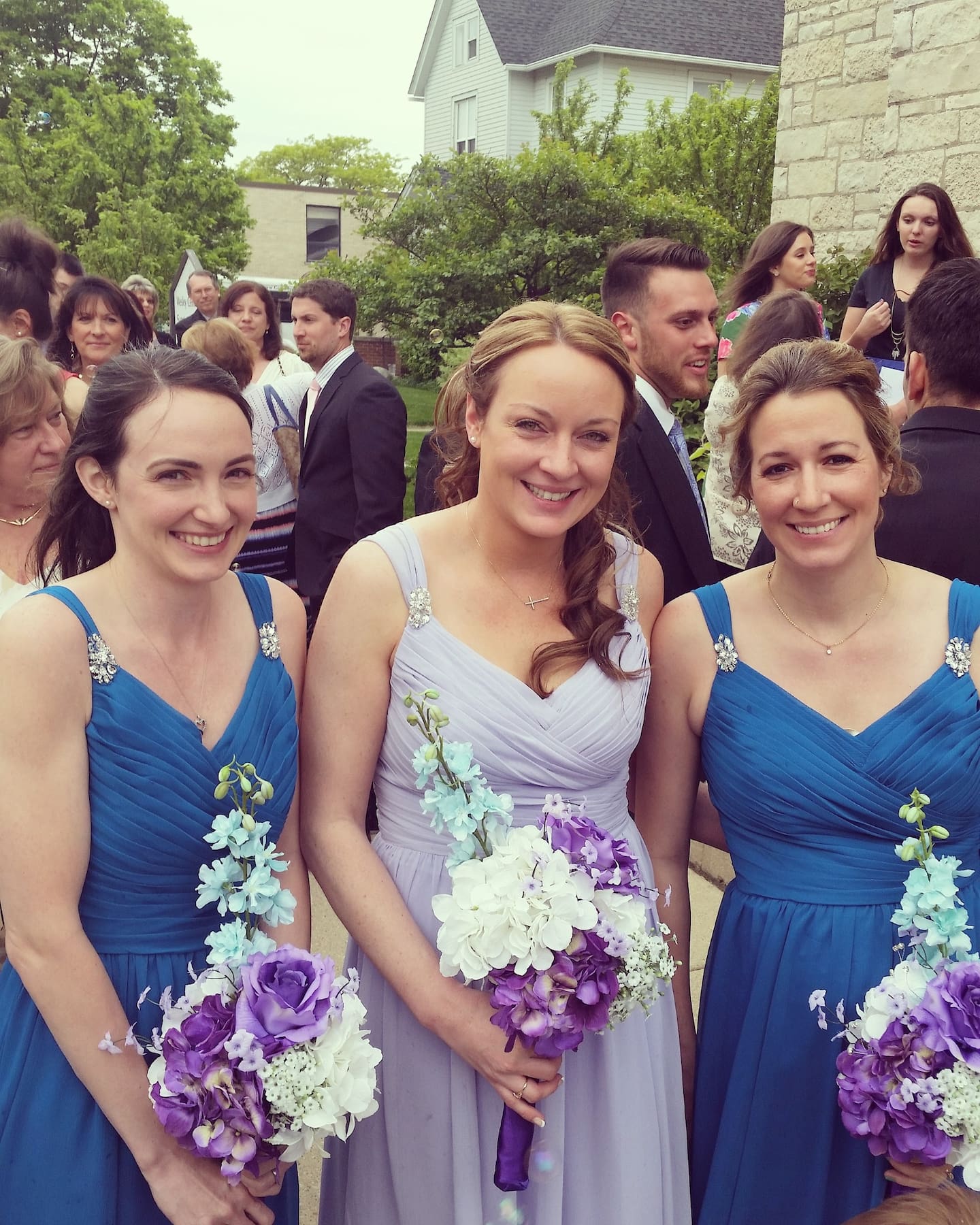
“It’s a story of love, loss and justice,” Yunger wrote. It’s a painful truth that I can’t rewrite but can finally bring into the light.”
She begins the story describing what life was like growing up in Naperville as a triplet with her sisters Jillian and Laura. She details the local and national media attention, including an appearance on “The Oprah Winfrey Show,” when their mother gave birth to a second set of triplets.
Nichole Yunger, the mother of two girls who works for Sugar Grove Public Library, writes of the red flags. In the beginning of their relationship, Laura was missing family dinners, not returning calls or text. Anthony Harrison’s family had also expressed concern for Laura, according to Shaw Local reporting at the time he was charged.
Bill Harrison, Anthony Harrison’s uncle, said he and his family noticed that Laura Harrison seemed increasingly tired and looked “thin and exhausted.” Family members attempted to reach out and check in with her, but she indicated that everything was fine, he said.
“We were worried,” Bill Harrison had said. “We could only imagine what that was like to live 24/7 with.”
Yunger writes of the learning her sister had been killed. She details going through Laura’s home in the aftermath of her murder, her bedroom transformed into a bloody crime scene, her clothes that “still carried the unmistakable trace” of her Candie’s perfume. Yunger took the perfume bottle home with her.
She recalled the basement where Laura’s body had been found. The message “I did this” written in black marker on the wall near nearby. Authorities have said Anthony Harrison wrote the message after stabbing his wife to death.
As she stared at the words, Yunger writes, she was “stunned by the audacity.”
She recalls the heaviness of the court proceedings that followed and Anthony Harrison’s emotionless demeanor throughout.
Laura Harrison, who is the “good” sister the book’s title refers to, was 30 years old and making plans to “escape the cycle of abuse” the day he killed her.
Laura and Anthony had met at North Central College in Naperville and began dating in 2005. Laura was “brilliant [and] had always been strong,” her sister wrote. But Anthony, although he was accepted into college on a scholarship, eventually dropped out and didn’t have a job, according to the book.
He wasn’t part of Laura’s regular friend group. Yunger recalled felling uneasy about him. But as she writes, if her sister “saw something good in Anthony, maybe something good was within him.”
“However, as time passed it became increasingly complex to overlook the subtle signs that something wasn’t right,” Yunger wrote. As the relationship grew more serious, she grew more concerned. Her sister became isolated and Anthony more controlling, she said. She saw her sister’s sparkle dim and confidence about her future waver. But Yunger also recalled thinking, “She’ll figure out.”
They married in 2011. In May 2015, Anthony was charged with misdemeanor domestic battery for choking and scratching Laura, court records show. But just over a year later in June 2016, while that case still was pending and as Laura Harrison was about to begin a life on her own without Anthony Harrison, he killed her.
Prosecutors said during his 2018 trial that on the night of June 4, 2016, Harrison stabbed his wife multiple times.
She had planned on leaving him and just hours prior to her murder she had called a crisis center and McHenry police seeking help to remove him from the house. Police told her it likely would take a physical act of violence for them to order him off the property, according to trial testimony.
After he killed her, Anthony Harrison laid his wife’s body on top of a pile of firewood on the basement floor, prosecutors said; he waited two days before calling 911, asking for help because he’d tried to take his life and saying he’d killed his wife.
In those two days, Harrison went to Home Depot and bought a shovel, garbage bags, cleaning supplies and fire-starters; prosecutors said, adding there were indications he’d tried to dig a hole in the backyard. He also went to McDonald’s and bought a chocolate milkshake, prosecutors said.
When he killed her, the 2015 domestic battery case was still pending, records show.
Norma Peterson, executive director of Document the Abuse, is an advocate for victims of domestic violence. She wrote the forward to Yunger’s book. She said in part that Laura Harrison’s story is “heartbreakingly tragic yet familiar.”
“The stories of domestic violence victims are often silenced by fear, by shame, and sometimes by a system that fails to protect them,” Peterson said. “That’s why books like The Good One are so important. They bring these stories to light, ensuring that the names and experiences of those we’ve lost are not forgotten.”
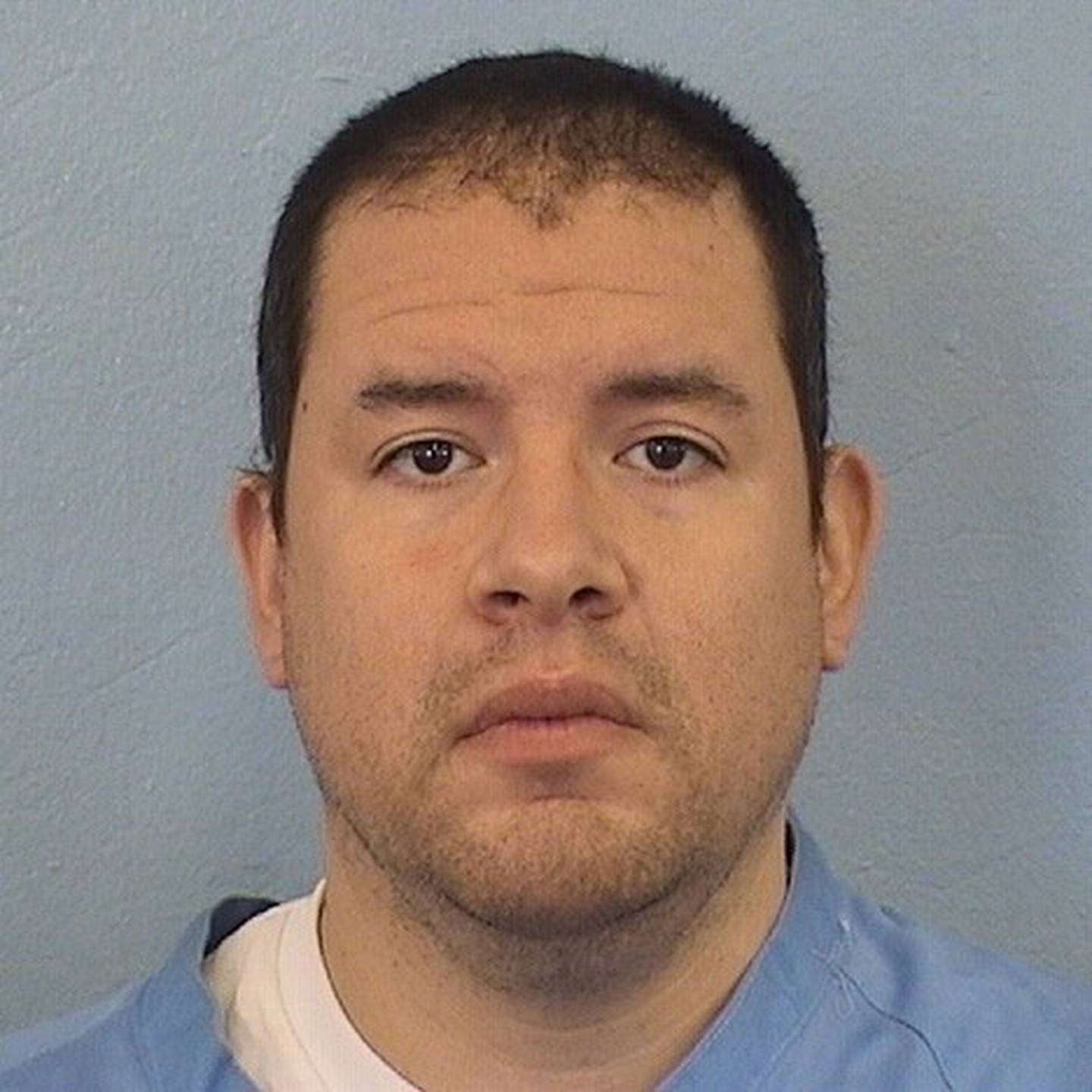
Anthony Harrison, now 41, is an inmate at Sheridan Correctional Center in La Salle County. He was convicted of first-degree murder and sentenced to 40 years in prison. He is required to serve 100% of his prison time and is scheduled to be released June 6, 2059.
His attorney at the time, Assistant Public Defender Grant Tucker, had asked the judge to consider second-degree murder as an alternate verdict to first-degree murder. He asked the judge that Harrison be sentenced to 20 years and be housed in a facility that could address his mental illness. Tucker told the judge Harrison was raised in foster care and endured physical and sexual abuse throughout his childhood.
Anthony Harrison’s appeals and attempts for a new trial, claiming ineffective counsel and that he did not receive proper mental health treatment following Laura’s death, have failed, records show.
His current attorney declined to comment.
In the final chapter her her book, Yunger writes a sort of love letter to her sister, called The Final Goodbye.
“I realize now that I don’t need to hold onto the pain to hold onto you,” she writes. “You’re not in the trauma. You’re in the flowers. You’re in the music. You’re in the sunlight that filters through the trees, in the laughter of your nieces, in every act of courage and kindness that’s been done in your name. You’re in me.”