
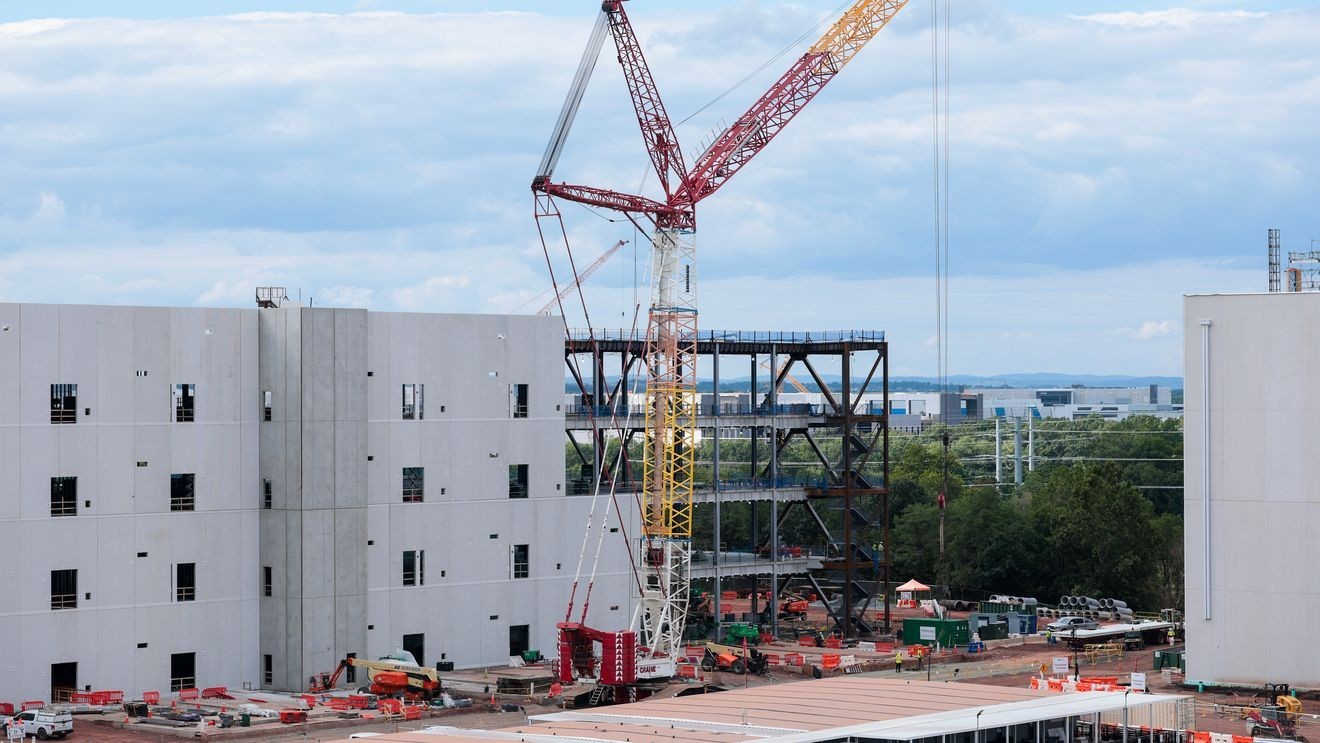
AUSTIN, Texas — Before artificial intelligence can answer questions or power applications, someone has to build, wire and power the infrastructure that makes it possible.
“There’s multiple phases and multiple buildings to these data center complexes. I was working at Skybox two years ago, and there’s still guys working there building it out,” said Cameron Dodd, an electrician with the International Brotherhood of Electrical Workers Local 520.
Artificial intelligence is fueling a data center boom across Texas. As more facilities are announced, concerns are mounting over how much electricity and water they will require to operate. But behind that debate, another trend is emerging: the race to build data centers is creating new opportunities for electricians, construction workers and other skilled trades.
Federal labor data shows Texas currently has about 71,000 electricians employed. The state also added nearly 25,000 construction jobs between June 2022 and June 2026, a nearly 3% increase, according to the Texas Workforce Commission. Industry leaders say large-scale projects, including data centers, are helping drive that growth.
ALSO | Austin City Council unanimously moves forward with new data center regulations
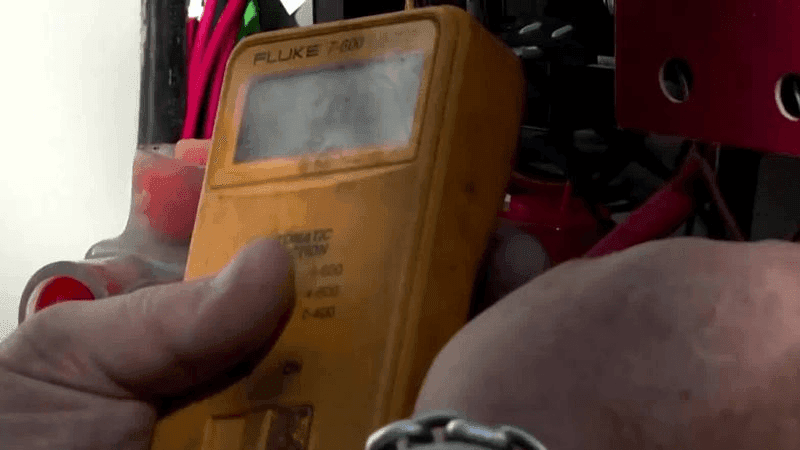
Before artificial intelligence can answer questions or power applications, someone has to build, wire and power the infrastructure that makes it possible. (Photo: CBS Austin)
“I hear figures as high as 6,000 on a single job site,” said Ken Simonson, chief economist for the Associated General Contractors of America.
DPR Construction, which is helping build several data centers across Central Texas, told CBS Austin:
“As investment in AI and digital technologies accelerates, there is a growing demand for skilled craft professionals — electricians, mechanical and plumbing specialists, field leaders, and others — who build the infrastructure that makes them possible. These highly technical projects are redefining what construction looks like and creating new career opportunities that combine traditional trade expertise with technology and digital tools. This comes amid a construction workforce shortage, with an estimated need for more than 450,000 new construction workers in 2027 to meet expected demand. Builders like DPR Construction are responding by expanding workforce development and training programs and creating new pathways for long-term career growth in construction at all levels and with all types of projects.”
Electrical work also makes up a significant portion of data center construction.
“There’s a lot more power for air conditioning. Got to keep the servers cool. There’s a lot of build out for the electrical infrastructure,” said Dodd.
Industry experts estimate electrical systems can account for nearly 50% of a data center’s construction budget. That translates into strong demand for electricians.
“Right now it’s booming. We’ve got just today 73 open journeyman electrician positions, and it’s kind of been like that the last couple of years,” said Dodd.
At the Skybox data center in Hutto, hundreds of electricians have been involved in the construction. Dodd said his contractor alone had about 40 workers at the peak of the project, with several other electrical contractors also working on site.
But the demand for skilled labor is also creating competition for workers needed in other parts of the construction industry including homebuilding. Housing industry leaders say labor shortages existed before the data center boom, but the rapid growth of these projects has brought even more attention to the issue.
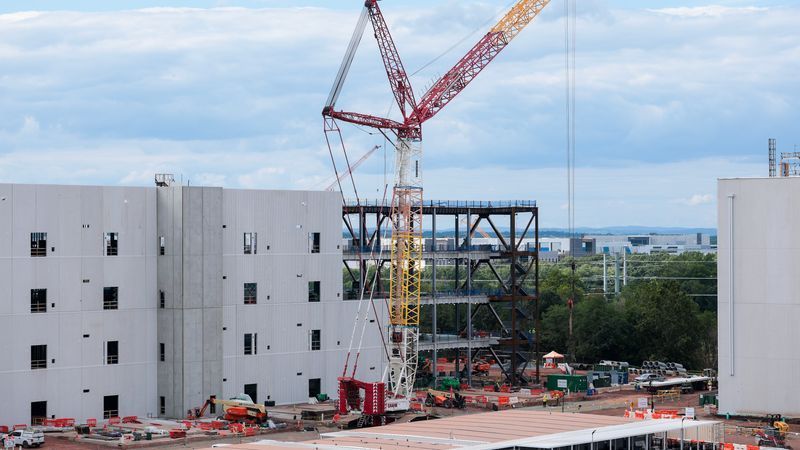
(Photo by Anna Moneymaker/Getty Images)
“I think any delays that our projects have had because of labor shortages, they existed prior to data centers. The data centers, I think, brought more attention to those shortages,” said J.D. Hale, vice president of government relations for the Texas Association of Builders.
Builders say that competition isn’t necessarily a bad thing. Data center developers and contractors are also working with workforce organizations to attract more people into skilled trades and help address long-term labor shortages.
“They see that there is going to be a demand in these certain fields, and are working with us to address the shortages,” said Hale.
While skilled trades are benefiting from the data center boom, the future of the industry is still evolving. Governor Greg Abbott has shifted from calling Texas an “epicenter” of AI development to putting a pause on new data center approvals.
“Things are evolving both in terms of how the projects look, where they take place, but also the opposition is definitely spreading,” said Simonson.
For now, workers in the skilled trades say the demand is creating opportunity.
“It’s a great time to be in the skilled trades and to become an electrician. People are making a ton of money,” said Dodd.