
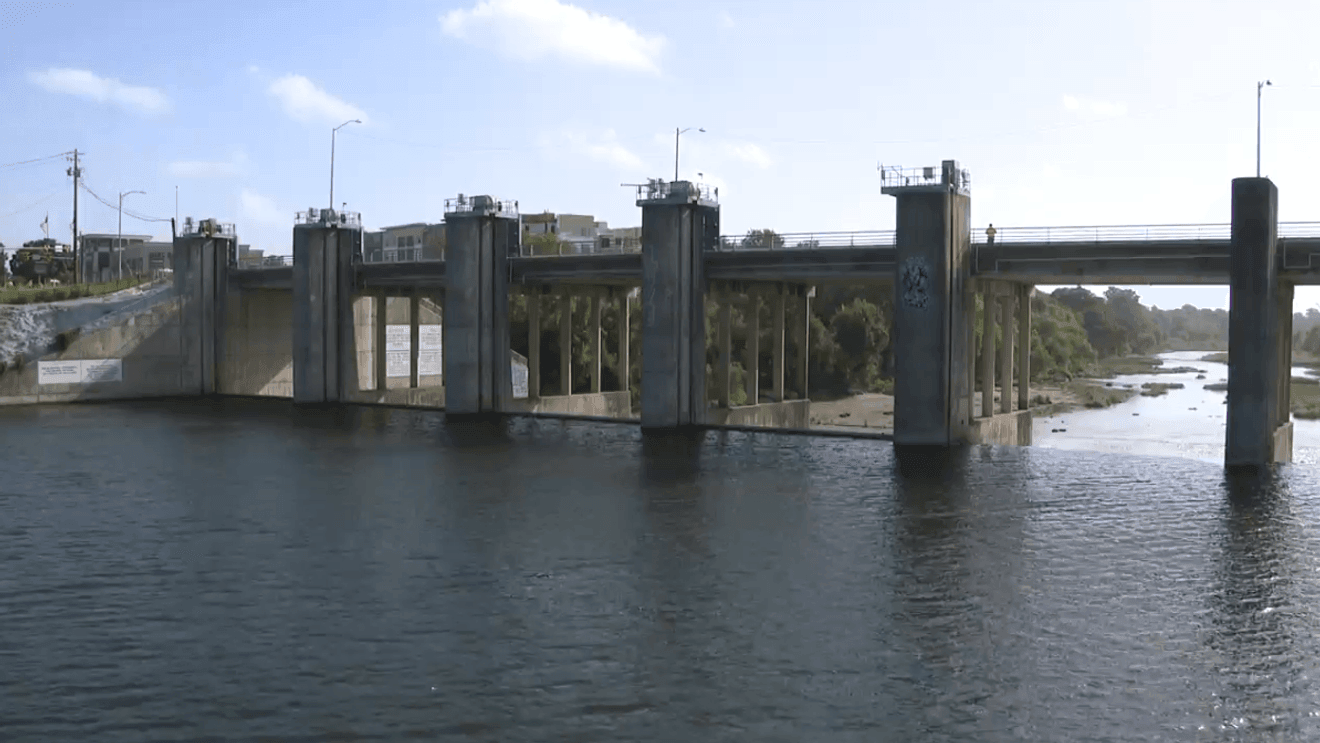
AUSTIN, Texas — Austin Water tested new sirens at Longhorn Dam today, the latest addition to the city’s emergency preparedness program.
“This testing is being done as part of our modernization project, said Scott Morrow, Operations Manager at Austin Water. “We just installed new sirens. We want to make sure that they’re working. And this will also be part of our emergency preparedness program going forward, and we will test our sirens annually.”
The new sirens at the dam were not installed in response to the deadly July 2025 flooding in Central Texas, but this September also marks one year since the Texas legislature passed Senate Bill 3, which requires outdoor warning sirens in flood-prone areas.
SB 3 also created a state-funded grant program to help local governments fund new flood warning infrastructure.
Under the law, 30 counties that declared a disaster after the July 2025 floods are eligible to receive up to $1 million in initial funding from the Texas Water Development Board (TWDB), as well as an additional $250,000 if approved by a TWDB administrator.
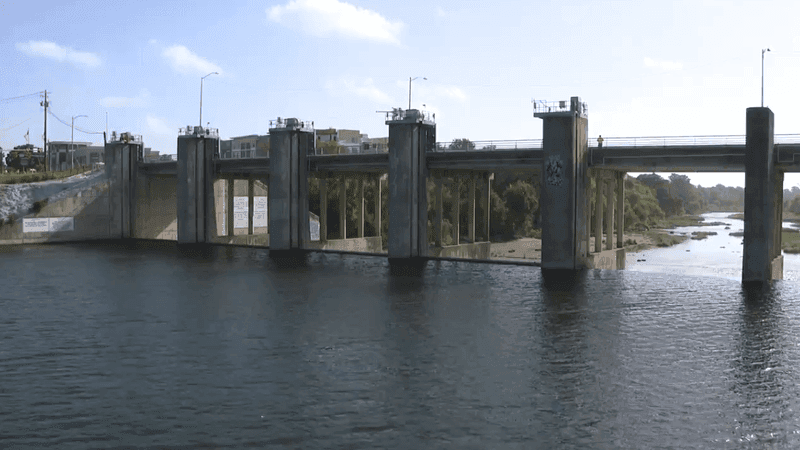
Austin Water tested new sirens at Longhorn Dam this morning, Sept. 15 (Photo: CBS Austin/Audrey Wong)
Bruce Clements, Director of the Williamson County Office of Emergency Management, says SB 3 funding will help the county install sirens designed for flood warning. Currently, Williamson only has storm sirens.
Clements says planning is already underway.
“What we’re doing is a study, initially, to figure out where the at-risk areas are. And then we’re going to figure out what gauges we need, what sirens we need, and where these things need to be positioned,” he said. “And from that we’ll integrate it into our current system so that we can have an integrated warning system that we could trigger quickly if we need to get people to evacuate areas where there’s a flash flood.”
Clements said that Williamson County might look to build out their warning systems beyond what SB 3 will fund. In that case, he says the county could look into other funding sources such as FEMA.
“We’re hoping that this is just the first step of several that we’d like to build the initial system from the funds that the legislature is currently providing, and then from there build onto the system with additional funding sources until we have really the best system that we can possibly get in place,” he said.
Meanwhile, in Guadalupe County, Fire Marshal and Emergency Management Coordinator Patrick Pinder said SB 3 will both fund new sirens and upgrade existing ones.
New sirens will be installed along the San Marcos River in Guadalupe County, where there currently are none, as well as at two park sites in Shertz and Cibolo. An existing siren in Seguin will be replaced.
“All of these new sirens that I’m talking about are going to be the kind where we as emergency management coordinators, or as the city officials, can get on there and actually speak to the people through a PA system…” said Pinder. “Currently, we don’t have that capability.”
ALSO | Affidavit: Prints, park video and trash-can evidence tie suspect to Round Rock stabbing
Counties must submit their project plans to the TWDB for the initial grant amount by Dec. 31, otherwise the board could reduce the amount of financial assistance awarded.
Clements reported that Williamson County is on track to meet this deadline, as well as the Aug. 31, 2027 deadline to submit final invoices to TWDB for reimbursement of grant expenses.
Pinder says Guadalupe County is scheduled to have their new sirens installed and functioning by the end of the year. The Guadalupe County Commissioners Court also authorized an additional $1.5 million out of the county capital projects line to install additional sirens and sensors.
“We actually read the timeline as ‘get everything installed and finished by December.’ So right now, we already have our vendor. We’ve already selected them. They’re already working on sites. They haven’t started to install anything at this time, but they’re already doing all the site surveys,” Pinder said.
CBS Austin reached out to the TWDB for more information about SB 3 implementation. We are waiting to hear back.