
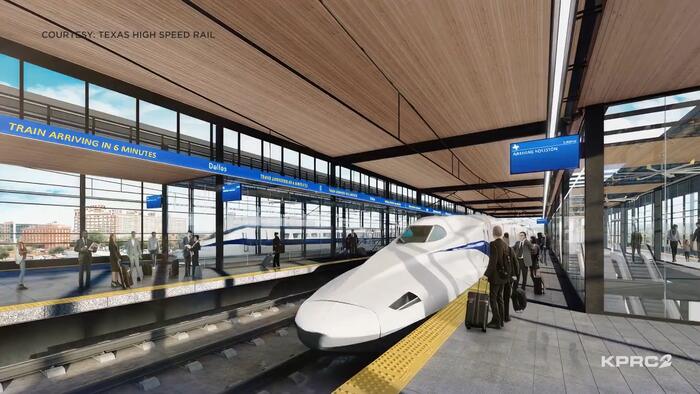
HOUSTON – For nearly two decades, Texans have been promised a 90-minute bullet train connecting Houston and Dallas — no traffic, no security lines, just two of the state’s biggest cities linked by a single straight shot. But after years of announcements, lawsuits and billions of dollars in projected costs, there is still no track, no train and no clear timeline.
KPRC 2 investigative reporter Joel Eisenbaum traveled parts of the proposed route, pushed for answers and found a project caught between competing visions — and a growing list of unanswered questions about who will fund it, who will build it and whether it will ever happen.
WATCH THE FULL EPISODE OF ENOUGH THIS SUNDAY AT 10:30 P.M.
From promise to stalled: A project two decades in the making
The idea of a high-speed rail line between Houston and Dallas was first proposed in 2009, when a private company pitched a Japanese-style bullet train connecting the two cities in roughly 90 minutes. At the time, the concept was seen as revolutionary — a way to travel between Texas’ two largest cities without sitting in traffic on I-45 or waiting in TSA lines.
For years, the project moved slowly. Then, in 2022, the Texas Supreme Court ruled that Texas Central qualified as a railroad company with the ability to use eminent domain — a significant legal victory for supporters. In 2023, Amtrak joined the project, and the federal government awarded nearly $64 million to help advance planning.
For the first time in years, it looked like momentum had finally arrived.
Then came 2025.
The Trump administration revoked the nearly $64 million federal grant. Amtrak — whose board is appointed by the president — walked away. And the central question shifted from whether the train made sense to something more fundamental: Who was going to pay for it?
‘Who’s left to pay for it?’
Ed Emmett, a transportation policy fellow at Rice University’s Baker Institute who has followed the project for years, put the funding reality plainly.
“There’s no federal dollars involved in it anymore,” Emmett said. “So you have one investment group — I believe based out of Fort Worth up in North Texas. And that’s it.”
Losing the federal grant meant more than just losing $64 million.
“It was losing a signal that the federal government was willing to stand behind the project,” Emmett said. “And then Amtrak walked away. And all of a sudden the big question wasn’t whether the train made sense — it was who was going to pay for it.”
The project, now operating under the name Texas High Speed Rail, could cost as much as $50 billion, a figure cited by Waller County Judge, Trey Duhon.
Without state or federal funding, its future rests largely on private investors — and government approvals that are not yet in place.
Looking for headquarters — and finding more questions
In an effort to understand who is running the project and where, Eisenbaum visited what was listed as the company’s headquarters.
“This could be headquarters for Texas Central,” Eisenbaum said during a recorded standup. “We have yet to find anything that resembles an actual headquarters. In all of our travels across the state, we haven’t found anything that constitutes what you would think would be the headquarters for an operation this significant.”
After the visit, a spokesperson directed Eisenbaum to a different address. When that address was searched online, it did not return Texas High Speed Rail — it returned a private investment firm.
A divided outlook: ‘Basically over’ vs. ‘just wait’
Not everyone watching the project sees it the same way.
Waller County Judge Trey Duhon, who has opposed the project for years, and is President of group called “Texans Against High Speed Rail”, is skeptical of recent developments — including the demolition of Northwest Mall in Houston, which the company has long said will become the future Houston terminal.
“I think they’re trying to keep this spin going that this is the first step in a high-speed rail project,” Duhon said.
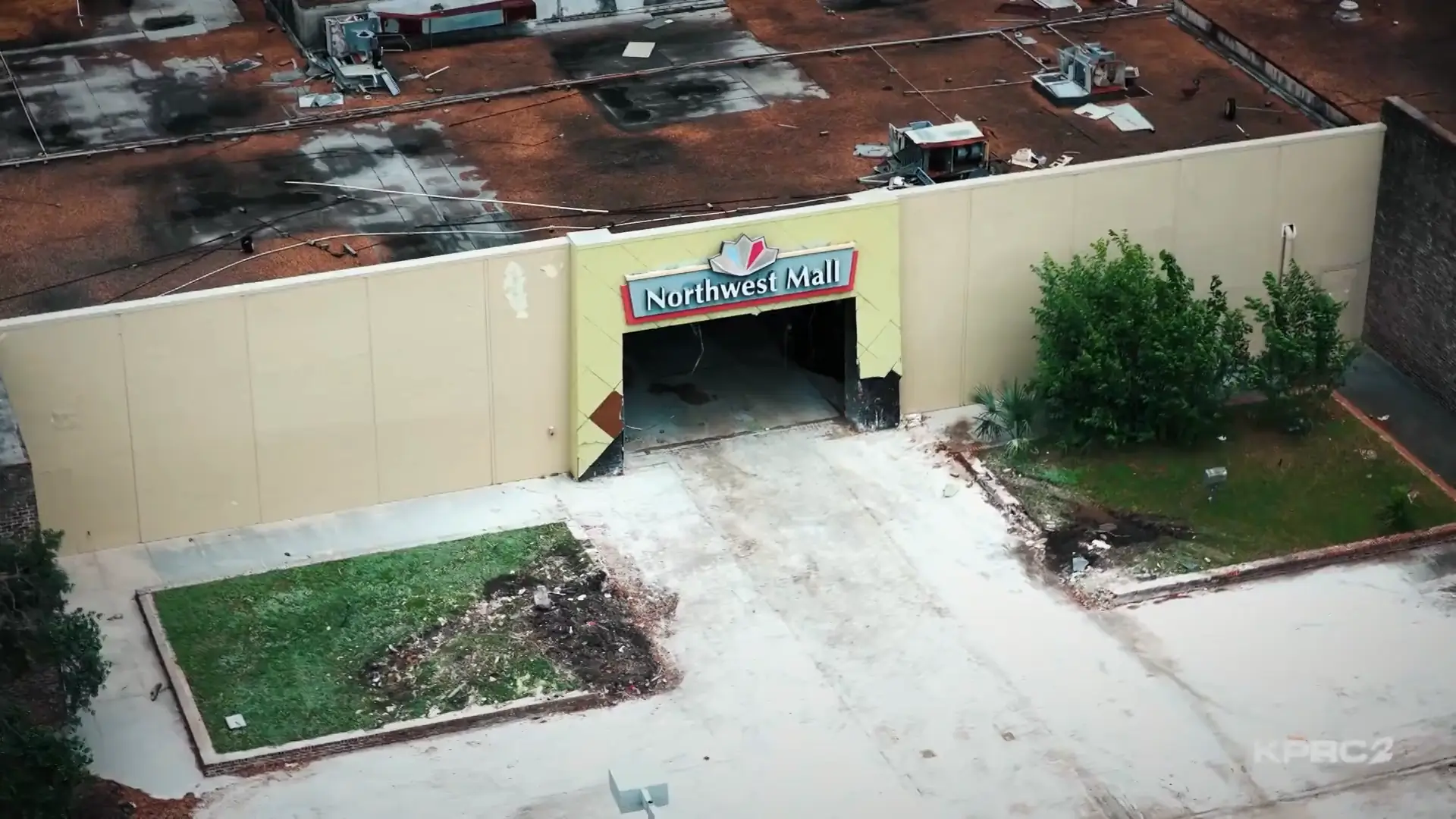 Texas High Speed Rail confirmed the Northwest Mall site remains their intended Houston terminal location. (KPRC 2026)
Texas High Speed Rail confirmed the mall site remains their intended Houston terminal location. But Eisenbaum noted the company’s announcement never said construction on the Houston terminal was starting.
“What they said is that the demolition would allow the project to move forward,” he said. “Phrases like ‘as soon as we get the green light’ and ‘once approved’ — those are important conditional phrases. Because even they are acknowledging this project still has major hurdles.”
Michael Morris, transportation director for the North Central Texas Council of Governments, sees things differently. Morris has helped plan major transportation projects across the Dallas-Fort Worth region and has been closely involved in discussions about the rail line.
“I think you’ll know if high-speed rail will ever be built in this corridor in the next 18 months,” Morris said.
When Eisenbaum pressed Morris on whether the Trump administration — which had already pulled its support — could change course, Morris remained measured.
“The people I’m talking to are waiting for the appropriate time to see if there’s not an opportunity with this administration,” Morris said. “That’s all I can tell you.”
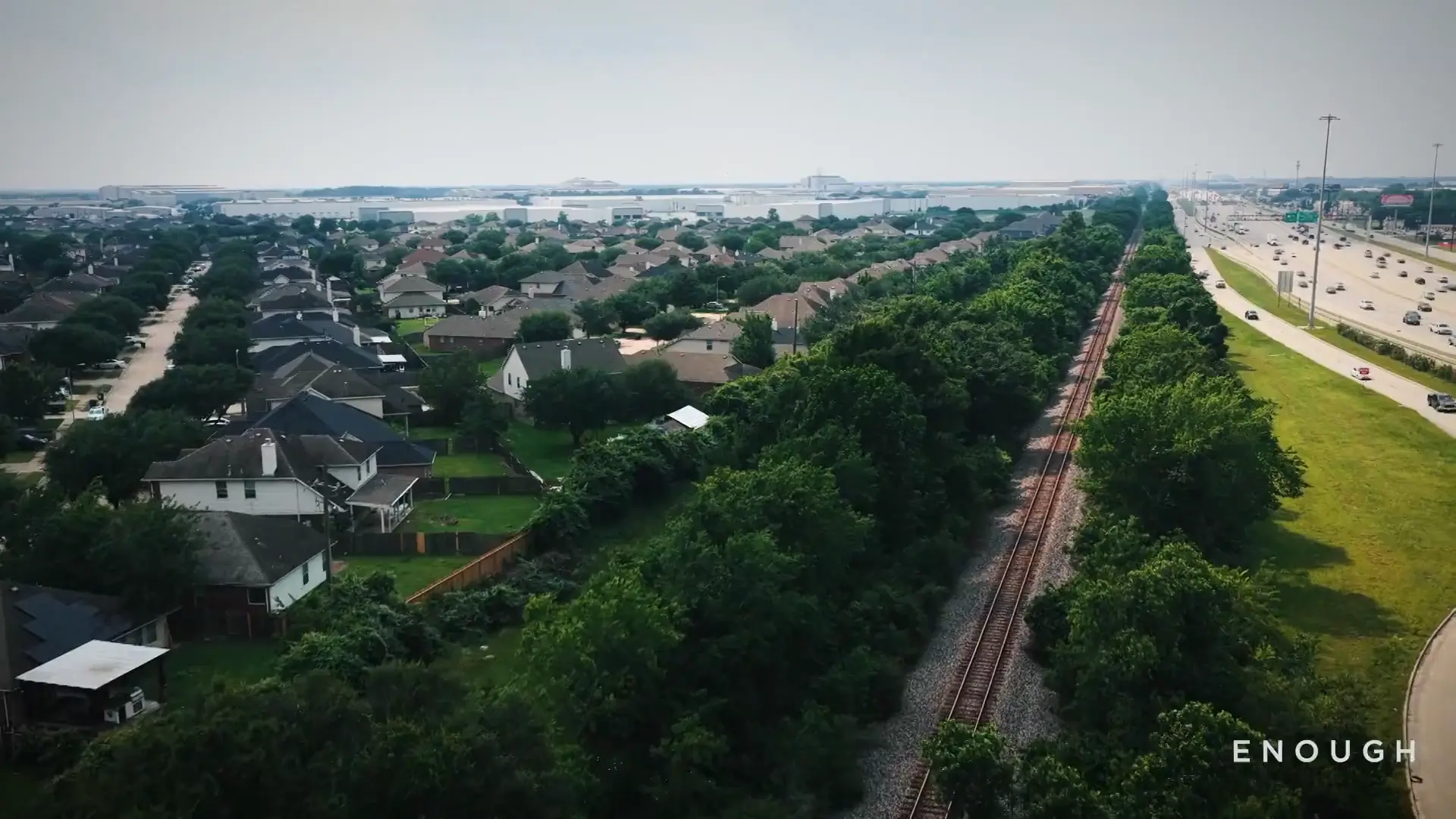 During the pandemic era, Texas Central purchased 41 homes in the White Oak Falls neighborhood in Cypress to clear the path for the proposed rail line. (KPRC 2026)Real impacts on real communities
While the debate over funding and timelines continues, some communities have already been changed by a train that has never been built.
During the pandemic era, Texas Central purchased 41 homes in the White Oak Falls neighborhood in Cypress to clear the path for the proposed rail line. The train never came. The homes sat empty — and the neighborhood changed.
“All these homes were a haven to squatters, haven to drug addicts, people falling to prostitution,” the neighbor said. “There were people being raped in these homes,” a resident, later determined by police to be living in a White Oak Falls home illegally, said.
When Eisenbaum first reported on the area, he found broken windows and neighbors describing rising crime. On a return visit this year, much of that had changed — the company’s contractor had repaired many of the homes and rented them out.
“The neighborhood looks different today,” Eisenbaum said. “But the reason we came back hasn’t changed. The train that these homes were bought out for still hasn’t been built.”
“Well, we’re just taking a look — we’re wondering what’s ever gonna become of this railroad project. What they’re doing with these houses, you know, all that stuff,” another resident said.
The same frustration extends to Waller County, where families who have owned land for generations still do not know what the future holds.
“They’ve had squatters and people have ripped things off — all the way from air conditioners to pressure tanks,” a Waller County resident said. “They don’t take care of the property. It’s an eyesore for the people that live out here. They just don’t care.”
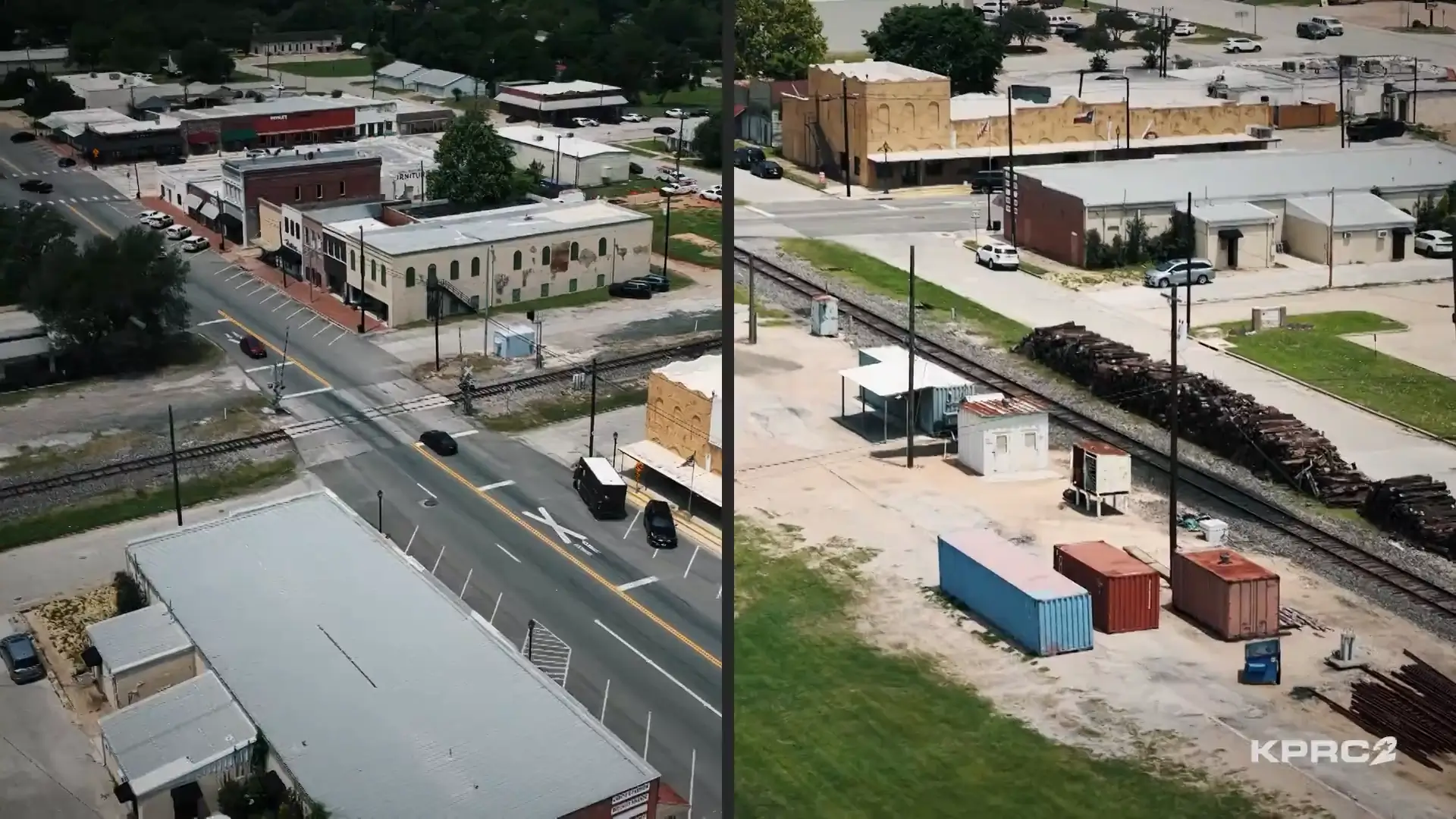 SeveWaller County Judge Trey Duhon, who has opposed the project for years, and is President of group called “Texans Against High Speed Rail”, is skeptical of recent developments — including the demolition of Northwest Mall in Houston, which the company has long said will become the future Houston terminal. (KPRC 2026)Where things stand
Eisenbaum said the reporting revealed two completely different conversations happening at the same time.
“One is about the future of transportation,” he said. “The other is about the people who have been living with this project for years — without knowing whether it’s ever going to happen.”
The short answer on whether the train is coming anytime soon?
“Not immediately,” Eisenbaum said. “And that’s in line with the historical speed of this 20-plus year old project. It’s slow going. Money’s a problem. Public perception is a problem.”
Supporters of the project believe the politics could change. The funding could change. But until questions about who will fund it and who will build it are answered, skepticism is likely to remain.
Copyright 2026 by KPRC Click2Houston – All rights reserved.