
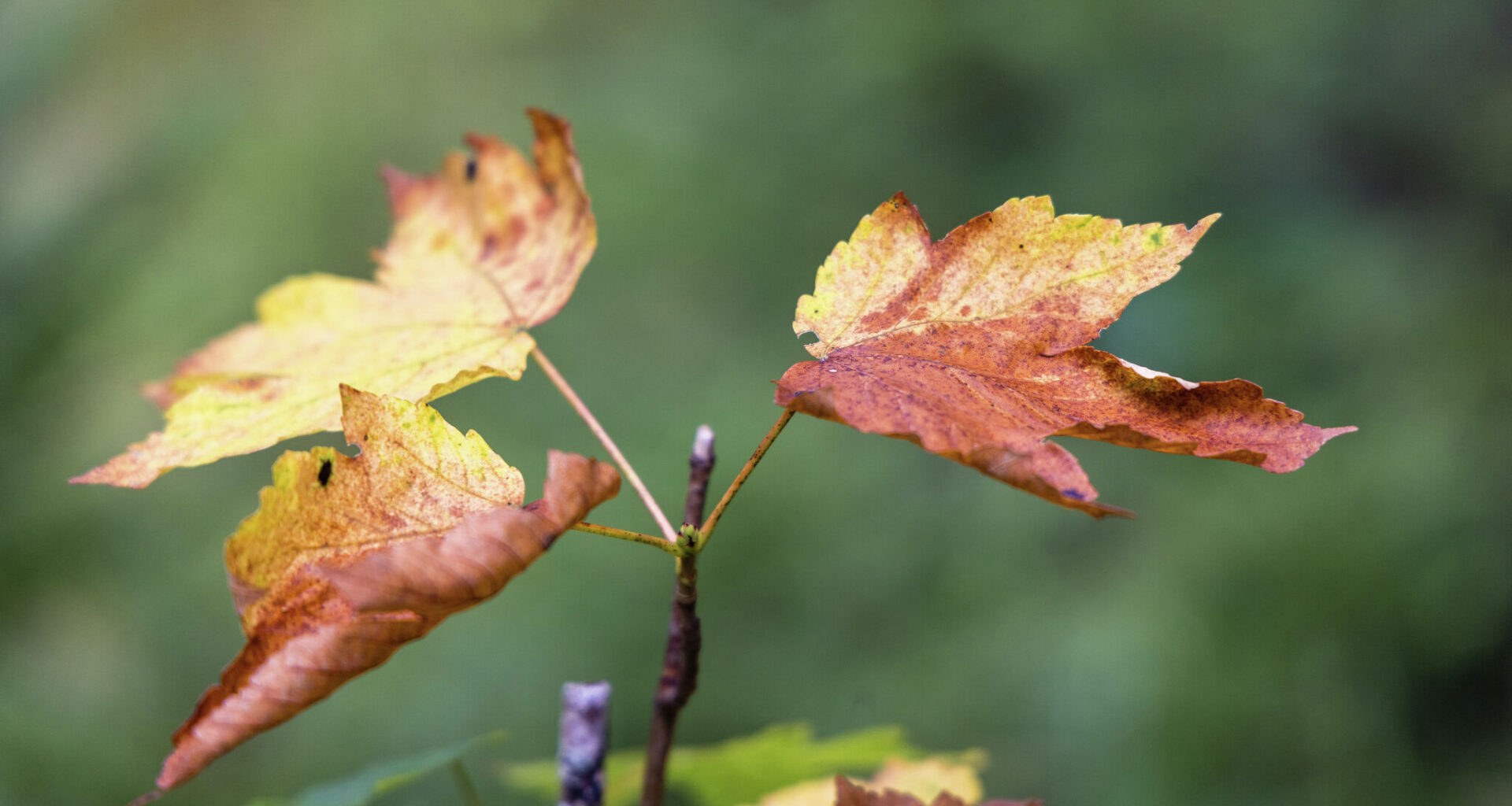
Fall is almost here, bringing cooler days, changing leaves and a new season.
So when does fall actually begin? Here’s when the season starts in 2026, how meteorological and astronomical fall differ and when Texas leaves are expected to change color.
The first day of fall depends on which calendar you use.
Meteorological fall, which is used by meteorologists and climate scientists to track seasons and compare weather data, always begins Sept. 1 and runs through Nov. 30.
Astronomical fall begins with the autumnal equinox, when the sun crosses the equator and day and night are nearly equal in length. In 2026, that occurs on Tuesday, Sept. 22, at 7:05 p.m. CDT, marking the official start of autumn on the astronomical calendar.
According to The Old Farmer’s Almanac, historically, the best time to see the leaves change in 2026 is late September in northern states and higher elevations, with peak color gradually moving south through October and into early November.
Texans won’t see those changes until later in the season.
Factors like temperature, rain and sunlight can influence the exact timing of the phenomenon. For example, colder temperatures above freezing can bring out the bright red color of maple leaves, and rain and less sunlight can also increase the colors’ intensity.
Based on the interactive map from The Old Farmer’s Almanac, readers can see the gradual changes during the fall in Texas below.
Meteorological winter always begins Dec. 1 and lasts through the end of February.
Astronomical winter begins with the winter solstice, the shortest day and longest night of the year in the Northern Hemisphere. In 2026, the winter solstice falls on Monday, Dec. 21 at 2:50 p.m. CT, marking the official start of astronomical winter.