
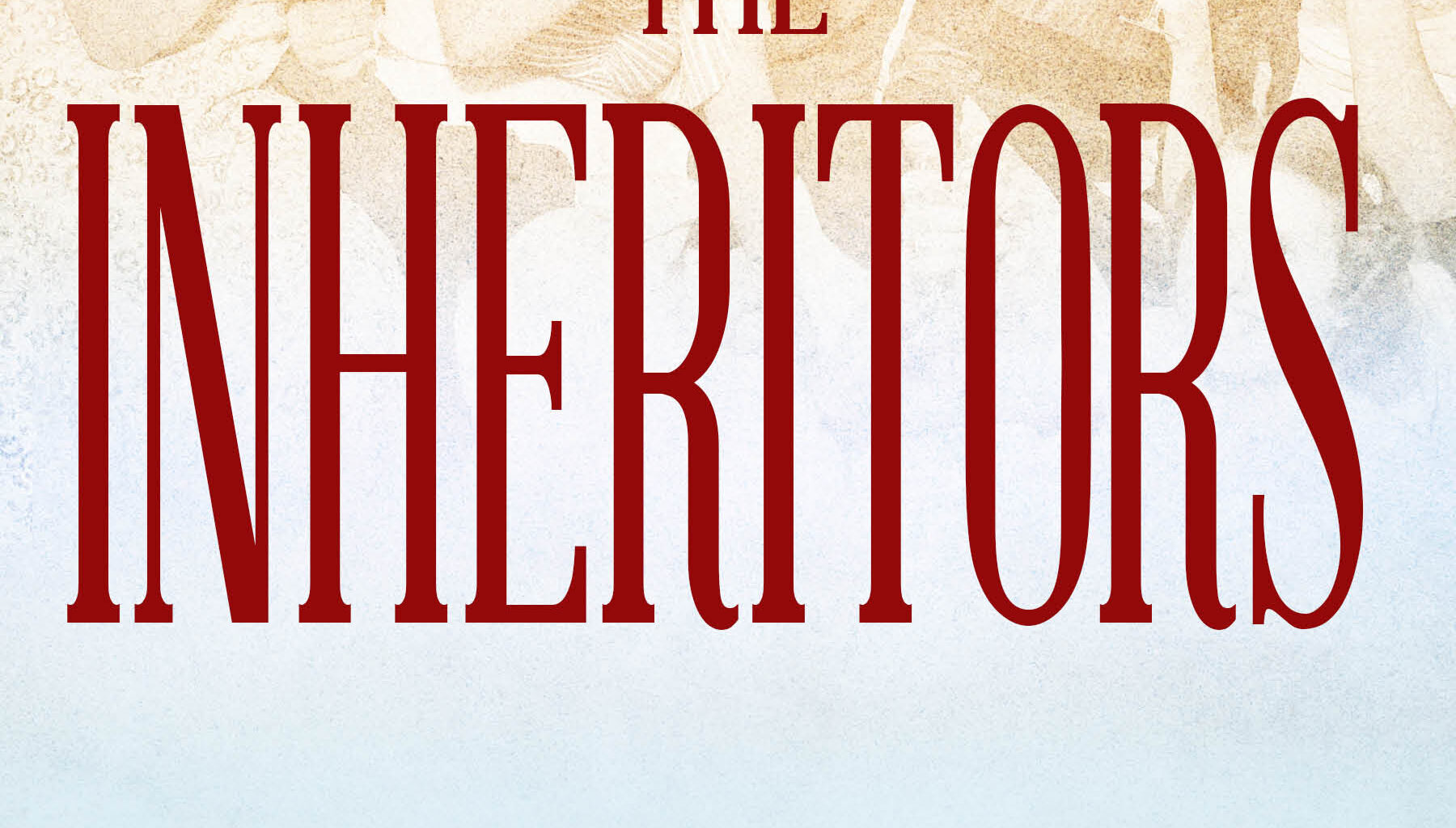
In 1940, 25-year-old James Atlee Phillips, writing under the pen name Philip Atlee, authored “The Inheritors,” a satirical cultural criticism based on the pre-World War II elite of Fort Worth. Despite praise for his literary debut, the upper echelon of Cowtown was not amused by Phillips’ portrayal of the wealthy, and went to great lengths to have the novel wiped from existence. For years, the novel existed only in devoted collectors’ libraries.
Until now.
“The Inheritors” is being reissued for the first time since its original publication by Fort Worth’s only publishing company, TCU Press.
As quickly as “The Inheritors” grew in notoriety, it was pulled from shelves. Scandal erupted within the city. The book was ultimately pushed into obscurity, allegedly purchased en masse by the very subjects it was based on.
Sign up for the Arts & Culture newsletter to get the latest stories delivered to your inbox
THANK YOU!
You’re all set.
CLOSE
“It’s as if it only existed for a brief moment and then vanished completely — from bookstores, from libraries, from resellers,” Phillips’ son, Liam Phillips, wrote to the Observer. “It was just gone.”
For the last 86 years, only a few copies of “The Inheritors” could be traced. The few remaining copies cost up to $2,000, and the book earned a reputation as a Texas literary classic among those lucky enough to have one. The Fort Worth Public Library had a singular copy, kept under lock and key. Liam hadn’t even read a copy of the book until after his father passed away in 1991. But now, with no outrage to stop the book, it will be made available at a large scale for the first time ever.
“I’m over here in Fort Worth, and everything seems to have happened everywhere else in the country and in the world, but it turns out we had this Hemingway, this Steinbeck, this Fitzgerald right here in our backyard,” E.R. Bills, a Fort Worth-based journalist, historian and author of the reissue’s introduction, tells the Observer.
The ‘dollar aristocracy’ retaliate
Fort Worth’s River Crest Country Club is one of many backdrops for “The Inheritors.” River Crest was where the “dollar aristocracy” of well-to-do bankers, financiers, oil tycoons and businessmen cocooned themselves from the rest of common Fort Worth to delightfully hobnob in style.
“[James Phillips] uses this phrase quite frequently, ‘the dollar aristocracy,’ people who have elevated themselves and removed themselves from the general population because of their wealth, and they go about the Depression ignoring as much of it as they can,” says Dan Williams, director of TCU Press.
The book playfully demystifies the intricacies of the city’s social structure in 1935, from the perspectives of two young aristocrats — George Bellamy Jimble III, said to represent James, and his friend Cavin Jarvis, allegedly based on the real-life friend Roy Lawrence Harris. The novel follows the two men who are born into wealth and their alcohol-fueled debauchery and promiscuity as they aimlessly navigate life with no direction.
“We’re not people; we’re just a set of attitudes walking around with logic-locked approaches to everything in life, and 30 phrases locked up in back of our teeth…,” Jarvis says in the book.
James unravels the illusion of the prim and proper Wild West nobility to reveal lies, deception, marital affairs, alcoholism, depression and the waywardness of pre-World War II heirs.
“The characters were based on people in Fort Worth,” Liam says. “I didn’t know any of them, certainly, and I don’t know if any of them are still alive to this day.”
Despite the book creating a city-wide furor, James never stopped writing, and the family never disowned the young writer.
“[My dad] said there were rumors that they were burning the books, or that they were throwing them away, or destroying them in some fashion,” Liam says. “There were rumors that family members were involved in this, but I never saw any evidence of that. I find it impossible to believe that his mother, who loved him so much, would ever go along with any of that. So I don’t think the Phillipses themselves were involved in the acquisition of the physical book and the destruction of it, but they were [certainly] aware of it.”
The castaway
Not long after “The Inheritors” was released, James was run out of town and adopted self-imposed isolation.
“There was an element of defeat and resentment and resolve at the same time… to keep going,” Liam says. “But he didn’t want to do it in that environment. He became the form of a recluse that is a nomad, because he started wandering the world. He did that all through my childhood — he was gone.”
When their father was around, Liam and his brother Shawn recall the typewriter’s clicks awakening them at night.
“Maybe he felt a bit defeated, but I think he kind of came on top of it and still continued to write,” Shawn says.
Liam inherited the rights to his father’s entire body of work, which includes more than 20 novels.
The reprint
“[‘The Inheritors’] arrives at a moment when its central themes — inherited privilege, the moral bankruptcy of the ultra-rich and the aimlessness of those born to wealth without purpose — feel less like period detail and more like a mirror,” reads a press release from TCU Press.
For Philips’ sons, the novel’s reprint is a posthumous victory lap.
“I think he would be fairly happy with it,” Shawn says. “He would realize that he had achieved more than he thought capable.”
The reprint adds a new page to Fort Worth’s cultural catalog and rewrites a once erased history.
“I hope it gets the sales that it deserves, and more importantly, what I really meant to say, the attention it deserves because he was here and he said the things that needed to be said and they crucified him for it,” Bills says. “They stomped on him, and they stomped on his reputation until it didn’t exist.”
“The Inheritors” is now available on the official TCU Press website and at select major retailers.