
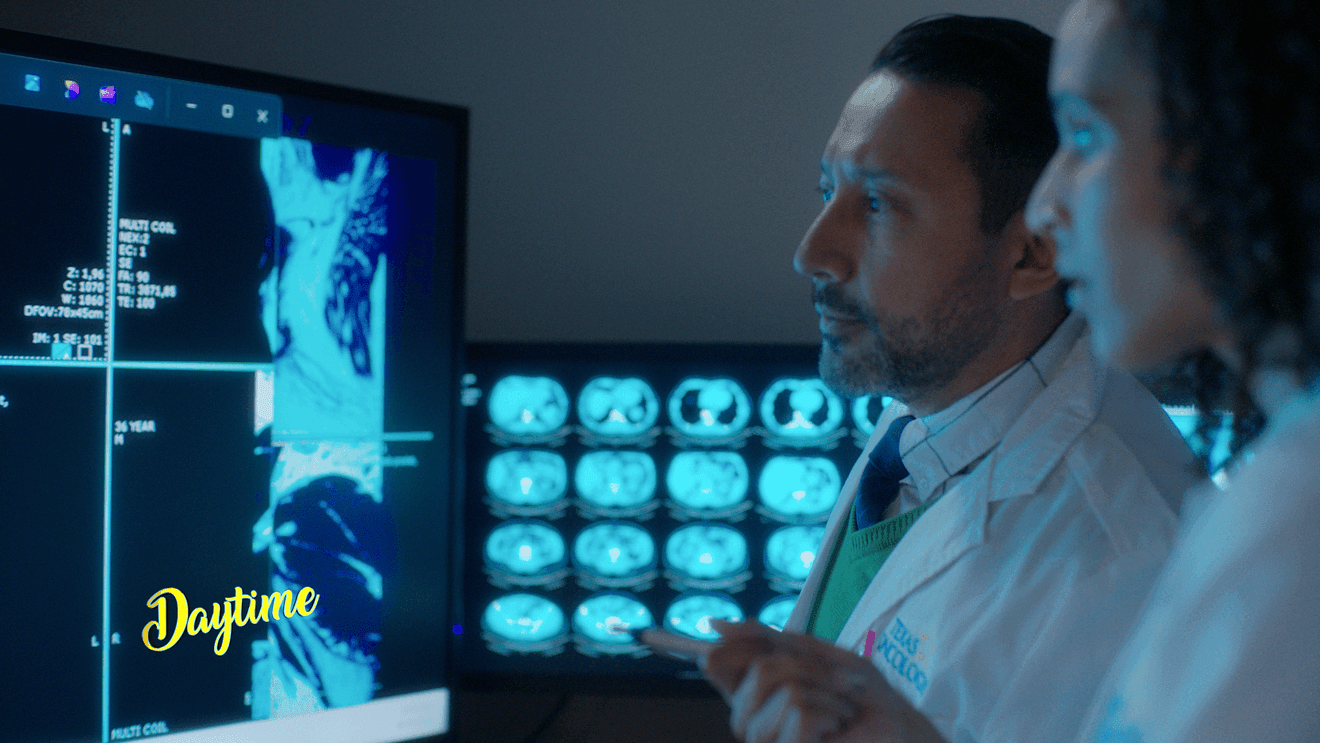
El Paso, Texas (KFOX14) — Prostate cancer is one of the most commonly diagnosed cancers in men, but a Texas Oncology physician says finding it early can make a major difference.
Dr. Evangelia “Eva” Valilis, M.D., MPH, a physician with Texas Oncology, joined Daytime to discuss when men should begin talking with a health care provider about screening, which symptoms should prompt a medical visit and how the practice works to keep cancer care close to home.
“Prostate cancer is one of the most commonly diagnosed cancers in men,” the physician said. “If it’s caught early, it’s super treatable.”
The physician said five-year survival is close to 100% when prostate cancer is caught early and treated appropriately.
When to start the screening conversation
The physician encouraged men to begin discussing prostate cancer screening with their primary care provider around age 50.
That conversation may need to begin earlier, around age 45, particularly for men with a family history of prostate cancer.
The segment emphasized starting a conversation with a health care provider rather than waiting for symptoms. A provider can review a patient’s health and family history, discuss whether testing is appropriate and determine what follow-up may be needed.
Symptoms that should be evaluated
Possible warning signs discussed during the segment included pain during urination, urinating very frequently and blood in the urine.
The physician also said prostate cancer that has spread can affect other parts of the body. The disease can spread to the bones and cause bone pain.
Those symptoms do not establish a cancer diagnosis on their own. The physician advised patients to see their primary care doctor when symptoms do not improve or do not have a clear explanation.
If prostate cancer is a concern, the next step may include an evaluation by a urologist.
Keeping cancer care close to home
Texas Oncology said its El Paso care network includes medical and radiation oncology, genetic counseling, advanced practice providers, social workers and dietitians. The practice also works with specialists throughout its broader statewide network.
The goal is to help patients receive comprehensive care in El Paso instead of traveling long distances during an already stressful time.
“All of this is meant to try to keep patients comfortable at home so that they don’t need to travel elsewhere, out of state, or even to Houston or Dallas,” the physician said.
Texas Oncology also said it works with patients to identify a nearby clinic and provider.
To learn more about prostate cancer services or find a location, visit the Texas Oncology website.
This feature is for informational purposes and does not replace individualized advice from a qualified health care professional. People with symptoms or questions about screening should speak with their doctor.
TexasOncoWEB