
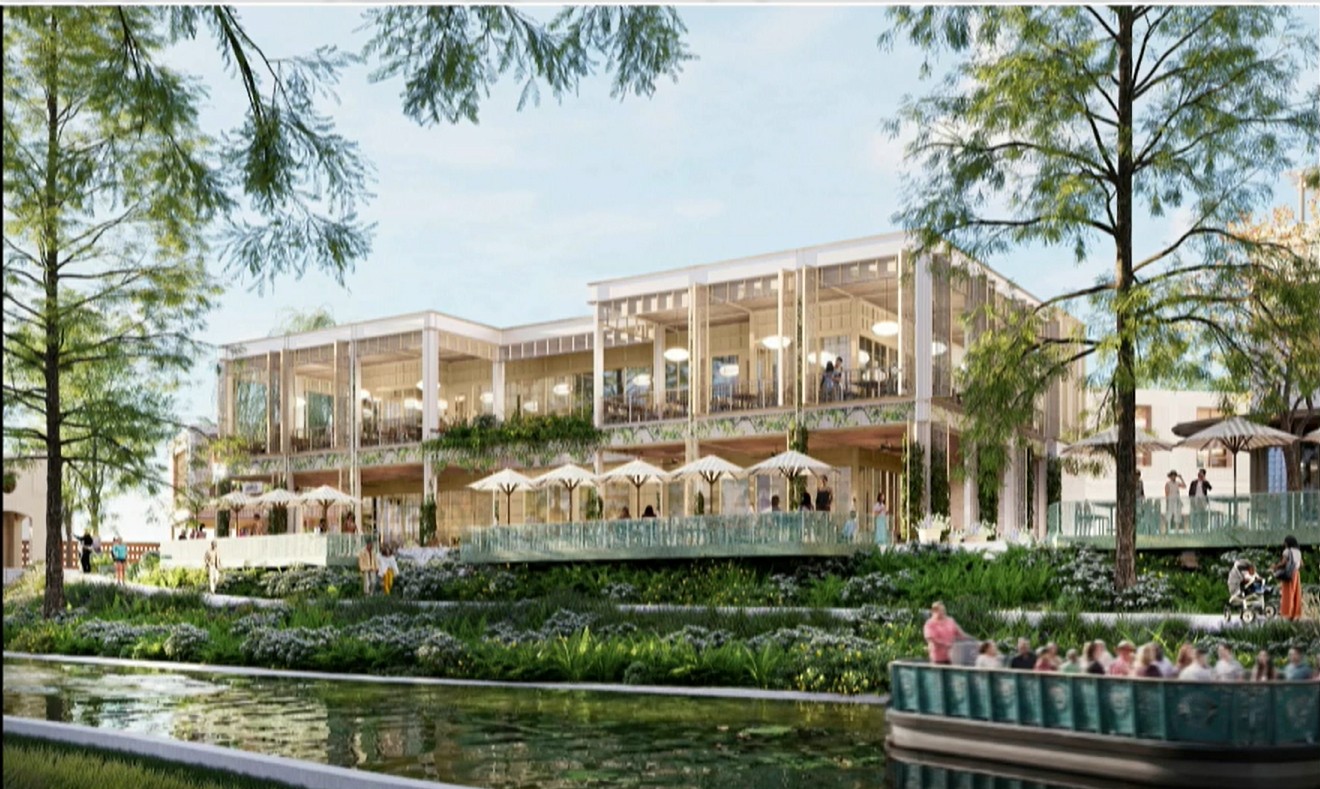
Renderings show what a mixed-use development proposed next to the San Antonio Museum of Art could look like.
Courtesy of McCombs Enterprises
Renderings show what a mixed-use development proposed next to the San Antonio Museum of Art could look like.
Courtesy of McCombs Enterprises
Renderings show what a mixed-use development proposed next to the San Antonio Museum of Art could look like.
Courtesy of McCombs Enterprises
Renderings show what a mixed-use development proposed next to the San Antonio Museum of Art could look like.
Courtesy of McCombs Enterprises
Renderings show what a mixed-use development proposed next to the San Antonio Museum of Art could look like.
Courtesy of McCombs Enterprises
Renderings show what a mixed-use development proposed next to the San Antonio Museum of Art could look like.
Courtesy of McCombs Enterprises
Renderings show what a mixed-use development proposed next to the San Antonio Museum of Art could look like.
Courtesy of McCombs Enterprises
Renderings show what a mixed-use development proposed next to the San Antonio Museum of Art could look like.
Courtesy of McCombs Enterprises
Renderings show what a mixed-use development proposed next to the San Antonio Museum of Art could look like.
Courtesy of McCombs Enterprises
McCombs Enterprises is razing buildings next to the San Antonio Museum of Art to make way for a mixed-use development.
Courtesy of McCombs Enterprises
McCombs Enterprises wants to fill a vacant pocket along the San Antonio River between Pearl and the San Antonio Museum of Art primarily with shops, restaurants and offices.

Renderings for the development, which is expected to cost more than $300 million, show walkways, plazas, trees and outdoor seating around low-rise buildings at Jones Avenue and Camden Street and dining overlooking the river.
Article continues below this ad
It would connect to the Museum Reach section of the River Walk and include parking, Jon Wiegand, managing director of real estate for the company, told a City Council committee at a briefing Tuesday. McCombs Enterprises also wants to add a pedestrian bridge, landscaping and seating for live performances in an area underneath the highway that’s currently used for parking.
“We’re sort of the hole in the donut, if you will, to connect this cultural corridor,” Wiegand told the Planning and Community Development Committee.
The company is asking for funding from the Midtown Tax Increment Reinvestment Zone to help pay for infrastructure upgrades at the property.
Property values are essentially frozen at the beginning of a reinvestment zone, and rising tax revenue from new development is used to reimburse companies for public improvements.
Article continues below this ad
The Midtown zone’s coffers have soared because it encompasses Pearl and nearby properties. It’s projected to generate about $500 million for new projects by 2060, which is when it’s set to expire, though the City Council is considering ending it sooner.
McCombs Enterprises wants the city to create a subzone that would encompass only its development and use new tax revenue it would generate for infrastructure improvements, not funds from other projects in the zone, Wiegand said.
It’s unclear exactly how much the company requested. In response to a public records request for its application, an attorney for McCombs Enterprises has asked the Texas Attorney General’s Office not to disclose the numbers because an agreement with the city hasn’t been finalized.
Article continues below this ad
Wiegand told City Council members the company wants to use the subzone to cover as much as half of $43.6 million worth of its infrastructure costs for the project, or $22 million.
The first phase of McCombs Enterprises’ project could be leased by 2030, with construction under way on a second phase. The development is projected to generate $159.8 million in new sales tax revenue for the city through 2060, Wiegand said.
Under San Antonio’s tax increment financing policy, developers must designate 25% of housing they build as affordable or contribute 25% of the tax increment to a fund the city uses to subsidize such units. McCombs is exploring options for lower-priced housing at other sites, city staff told council members.
City staff haven’t presented a finance plan to City Council or finalized an agreement with McCombs, which would require approval from the Midtown zone’s board and council.
Article continues below this ad
The project has been in the works for several years.
In 2023, the company — the corporate umbrella for the McCombs family’s business activities, including real estate investments — bought the 5.9-acre site from CPS Energy for $29.5 million. The city-owned utility had used it as a service center before declaring it surplus property and putting it up for sale.
The Texas Legislature in 2023 signed off on creating a management district for the site, a governmental entity that can levy assessment or taxes on properties within its boundaries to finance improvements or services such as building streets and sidewalks and hiring security. Districts also can issue tax-exempt bonds, which is what McCombs Enterprises plans to do, Wiegand said.
Management districts are governed by a board of directors who must have an ownership interest in the property or be agents, employees or tenants of an owner under state law. The City Council in August appointed five board members, including Lawson Jessee of local firm Troy Jessee Construction, local developer Pat Biernacki, Andrew Simms of Frost Investment Advisors LLC, broker Nick Prater and engineering executive George Weron.
Article continues below this ad
McCombs Enterprises has recently been demolishing empty buildings on the property.
Plans filed with the city earlier this year described up to 390 apartments, 281,150 square feet of offices, 58,650 square feet of shops, 64,930 square feet for food and beverage operations and parking across eight buildings. Wiegand didn’t immediately respond to inquiries Wednesday about the development, which he described to council members as being focused on retail and office space.
The new renderings are different from concepts McCombs Enterprises submitted to the city in 2023, which showed taller buildings.
Article continues below this ad