
UNT’s DNA technology program helps families finally understand what happened to the people they have spent years searching for.
FORT WORTH, Texas — Answering questions and bringing closure to families across Texas and the nation is at the heart of the work happening inside the University of North Texas’ Health’s Center for Human Identification.
The center uses DNA technology to help identify missing people and unidentified human remains, giving families answers that in some cases have been years, or even decades, in the making.
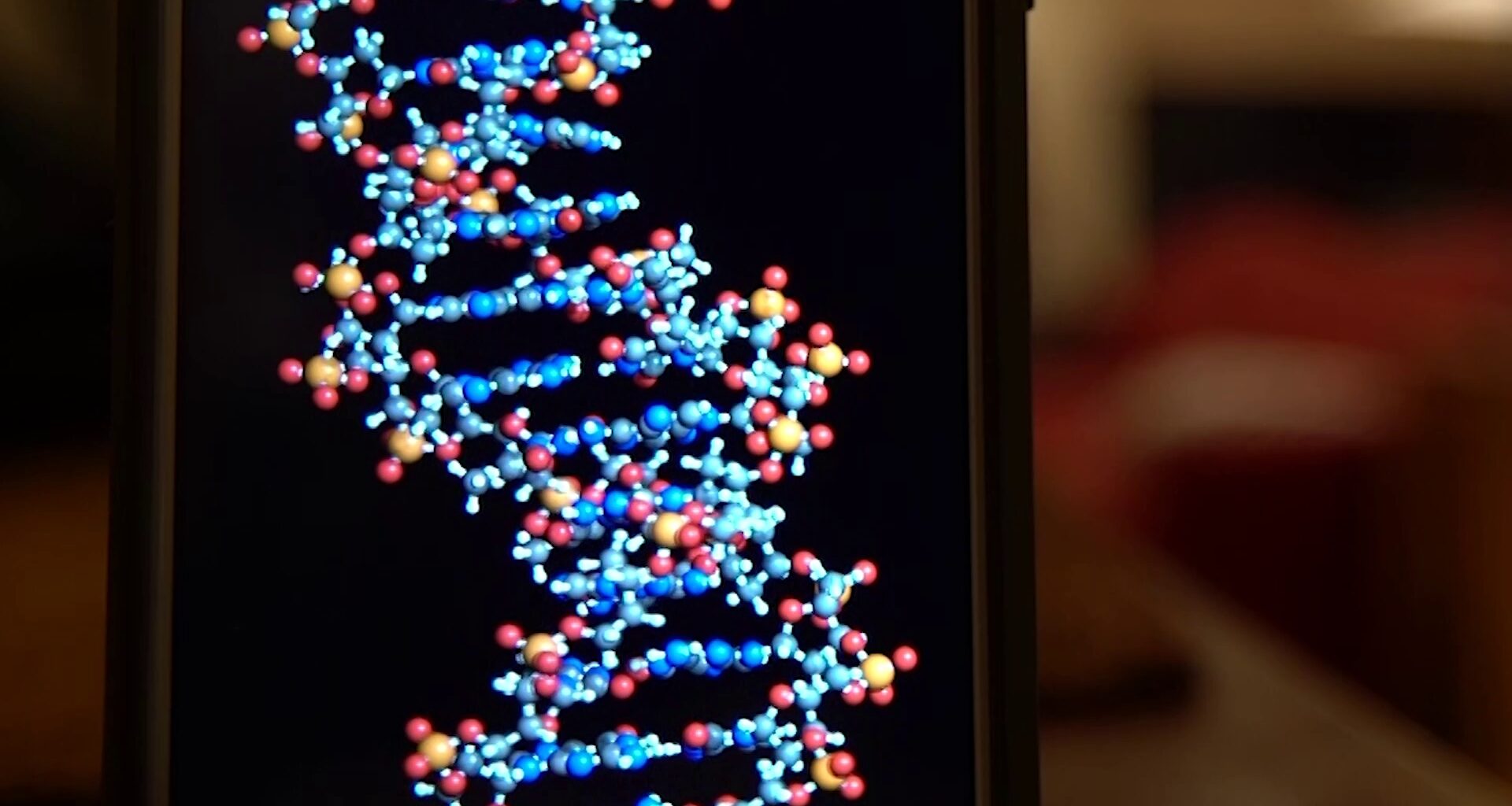
At the center, researchers work with the building blocks that make each person unique.
Executive Director Dr. Michael Coble leads the team in Fort Worth, where scientists use advanced DNA analysis to help connect unidentified remains with families.
“One thing that makes us unique compared to all other labs in the U.S. is that we have access to CODIS, which is our national DNA database,” Coble said.
The center’s work made headlines this week following the discovery of skeletal remains believed to be those of Jason Landry, who disappeared in 2020 while traveling home to the Houston area from Texas State University.
Landry’s remains were recently discovered near Austin and contained DNA that could be analyzed by the center’s laboratory. Scientists were ultimately able to connect the DNA profile to Landry’s family.
Coble says advances in DNA technology have made it possible to identify remains that may have been exposed to the elements for years.
“Technology has advanced to where we are able to get profiles, DNA profiles, from skeletal remains that could potentially be exposed to the elements for decades,” Coble said.
For families who have spent years searching for a missing loved one, that technology can provide something they have been waiting for: answers.
“You see the importance that that means to the families,” Coble said. “It makes me, as a scientist, want to do my best to try to help provide answers to the families.”
The center encourages families with missing loved ones to work with local law enforcement to provide DNA samples. Those samples can then potentially be used to make connections when unidentified remains are discovered.
Coble also emphasized that families should not be concerned that providing DNA for the purpose of identifying a missing person will put them into the criminal side of the database.
“One thing I want to make sure that people understand, this particular index that we use for missing and unidentified is never, those profiles and families are never searched against the criminal side of the database,” Coble said. “They’re completely separate.”
For the scientists at UNT Health’s Center for Human Identification, the work is about more than DNA profiles. It is about helping families finally understand what happened to the people they have spent years searching for.