
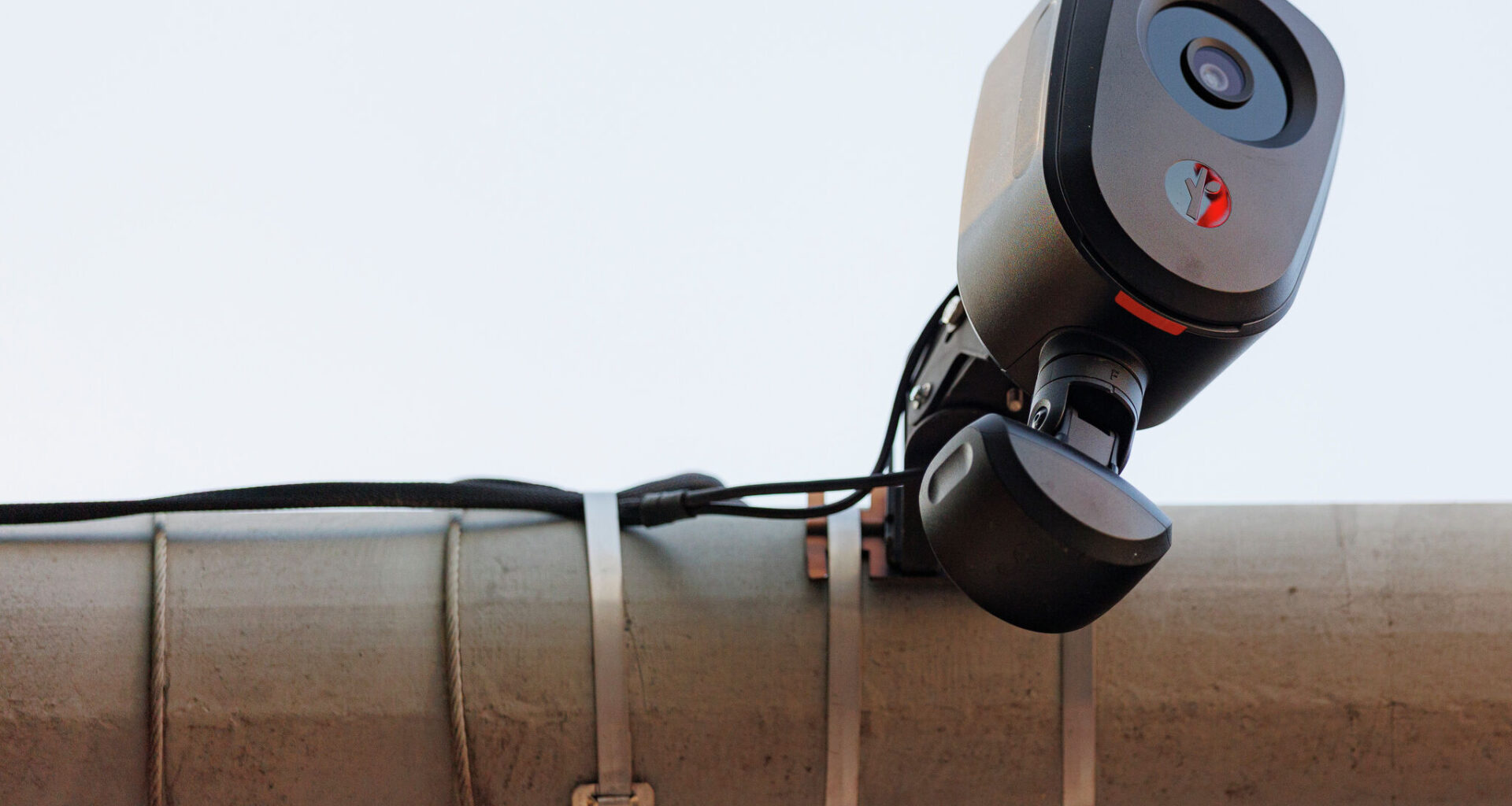
Despite growing scrutiny over automated license plate readers, at least five Texas cities are continuing to use Flock cameras.
Flock cameras capture license plate numbers and other vehicle information in a searchable database that law enforcement agencies use during investigations.
In August, Gov. Greg Abbott ordered state agencies to pause funding for the cameras, prompting many cities to remove the devices or end their contracts with the company. College Station is the latest Texas city to move in the opposite direction by keeping its Flock cameras.
College Station’s decision followed a lengthy City Council debate in which more than 20 people spoke during public comment. The council ultimately voted 4-2 to renew two Flock Safety agreements for another year at a cost of nearly $300,000.
College Station is not alone. Earlier this month, Carrollton City Council voted to renew its contract for 82 Flock cameras for three years at an annual cost of nearly $400,000.
Kyle also opted to keep its Flock cameras despite losing its grant funding. On Sept. 5, the City Council voted 6-1 to continue the contract.
Conroe has also resisted efforts to remove the cameras. According to the Houston Chronicle’s Flock, the city effectively rejected removal after the City Council indefinitely tabled proposals in July that would have placed the issue on the Nov. 3 ballot.
Laredo, meanwhile, plans to let voters weigh in. The city will hold a nonbinding referendum on whether to spend $1 million to continue operating its Flock cameras after losing state funding.
In the San Antonio area, the Bexar County Sheriff’s Office installed 35 Flock cameras across the county in November 2025. The San Antonio Police Department uses automated license plate readers from a different vendor, Axon. Neither agency has announced plans to reconsider its use of the technology.
While several Texas cities have opted to keep Flock cameras, others have moved to remove them following Gov. Greg Abbott’s funding pause.
Law enforcement agencies say the cameras help investigate crimes, recover stolen vehicles and locate missing people. Civil liberties advocates argue the technology enables broad surveillance and can wrongly implicate innocent people.
The Houston Chronicle reported earlier this month that two dozen Texas cities and counties had taken steps to remove Flock cameras or end contracts with the company. Those communities include Austin, Bastrop, Magnolia, Manvel, Pflugerville, San Marcos, Willis and Wylie.
The debate over the cameras intensified after Gov. Abbott ordered state agencies in August to pause funding for the technology. Earlier this month, the Texas Department of Transportation also stopped issuing permits for new Flock camera installations following Abbott’s directive.