
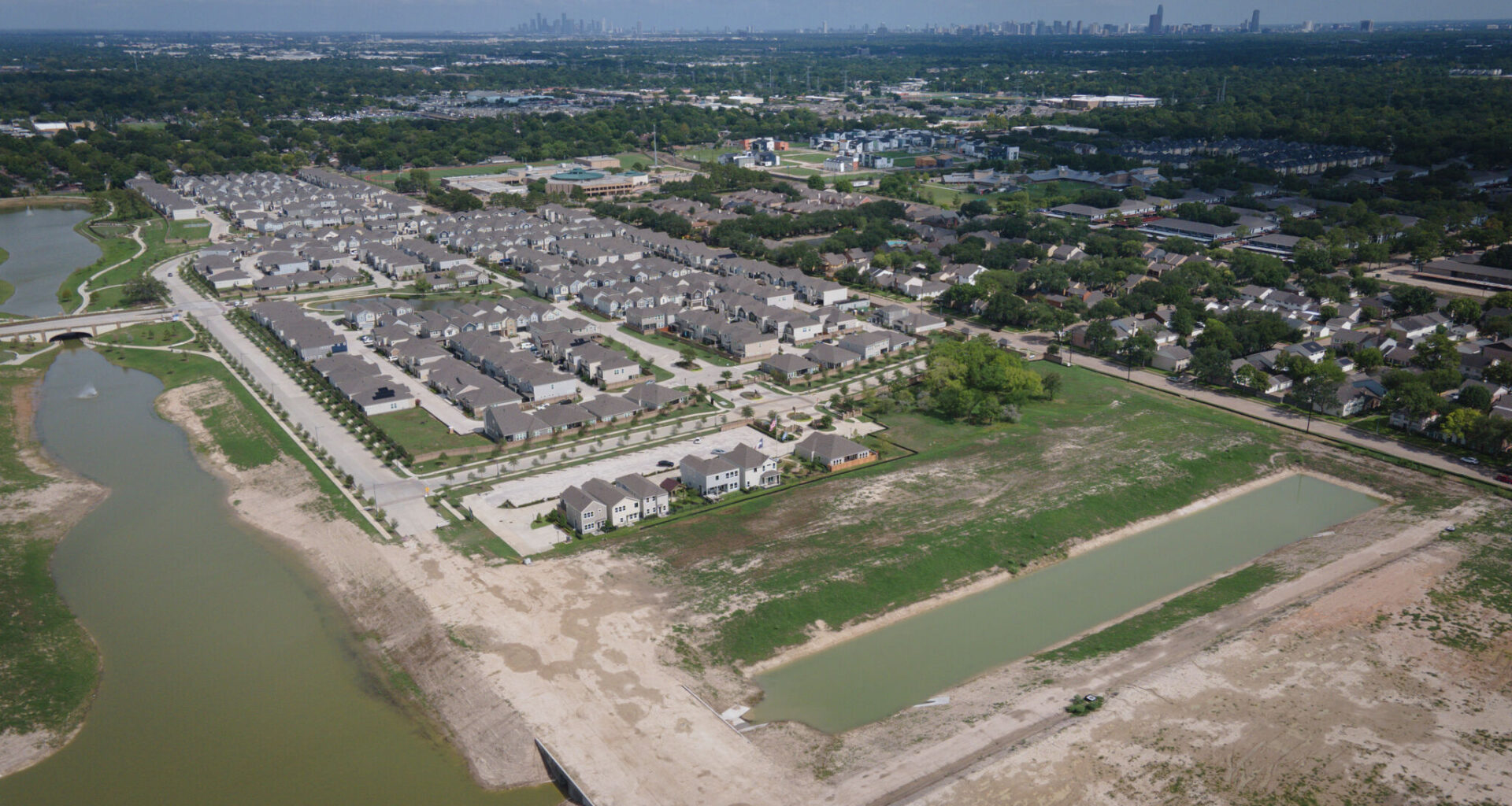
A Houston-area real estate company faces a lawsuit after it allegedly fired a blind employee after their first day on the job.
The U.S. Equal Employment Opportunity Commission (EEOC) announced Monday it filed a lawsuit against Majestic Developers, LLC, a real estate developer in Sugar Land, Texas. The EEOC alleges Majestic Developers violated federal law in 2024, when it hired a legally blind employee, but then failed to provide proper accommodations on the now-former employee’s first day on the job. The employee was sent home, then allegedly terminated from the position.
The employee in question was hired to design drainage systems for ongoing real estate development projects. According to the EEOC, the employee has a doctorate in civil and environmental engineering and was assured that specific accommodations could be provided to perform the job.
“The EEOC is fully committed to ensuring that employers provide reasonable accommodations to applicants and employees,” Jeremy Crosbie, the deputy director for the EEOC’s Houston District, said in a statement released Monday. “Federal law ensures that applicants and employees are provided reasonable accommodation, absent undue hardship, and not discharged due to their disabilities.”
The lawsuit alleges Majestic Developers failed to provide the accommodations that had been discussed with the employee and instead sent the employee home on the first day. The EEOC alleges the company then terminated the employee because of their disability.
The EEOC seeks back pay and compensatory damages for the employee, as well as a court order to overhaul Majestic Developers’ hiring practices.
Majestic Developers was founded in 2023 in Sugar Land. The company told the Houston Business Journal last December that it hopes to double its workforce to more than 100 employees in 2026, and the company was set to break ground on a new, 45,000-square-foot office in Sugar Land in May, per a Texas Department of Licensing and Regulation (TDLR) document.
The TDLR document reports the new office will cost an estimated $9 million. It is expected to be completed by the end of 2026.