
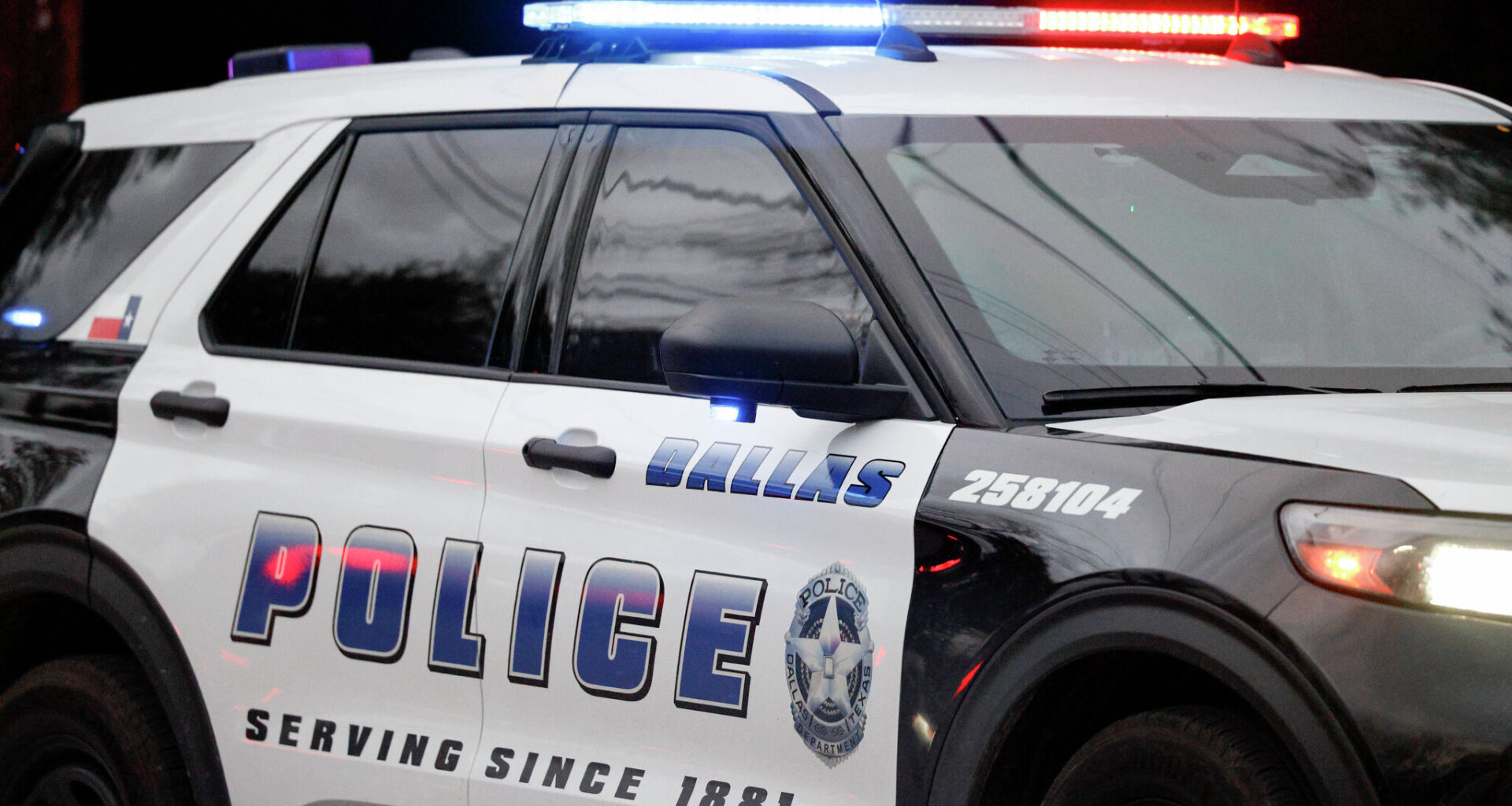
A recent change in local law enforcement responsibilities means the Dallas Police Department has a larger role in responding to collisions and enforcing traffic laws on highways and tollways inside city limits.
Dallas police expanded their authority to include highway and tollway traffic enforcement following the end of two patrol agreements between several local agencies.
On Aug. 28, Dallas police assumed highway traffic enforcement and crash response after the Dallas County Highway Traffic Program agreement ended between the department and the Dallas County Sheriff’s Department. Dallas police also agreed to patrol tollways within city limits after a patrol agreement between the Department of Public Safety and the North Texas Tollway Authority ended Sept. 1.
Here’s what these changes mean for Dallas drivers.
The Dallas Police Department will patrol all highways and interstates within the City of Dallas, including but not limited to Loop 12, Interstate 30, Interstate 20, Interstates 35E and 35W. Portions of the President George Bush Turnpike at the city’s northernmost border between Plano and Carrollton, and the I-30 connector ramp also will be patrolled by Dallas police.
Bodies of water owned by the city of Dallas – but located in Irving, Grand Prairie or Rowlett – are monitored by both Dallas and local police departments, according to Dallas police.
The Mountain Creek Parkway Toll Bridge is another road where multiple agencies could respond. Dallas police said departments are assigned based on the cell tower that receives the 911 call, meaning the responding agency will depend on the incident’s location.
Dallas police added officers to the traffic unit from other divisions. The department does not plan to hire additional officers, and said the changes will not affect accident or dispatch response times.
Officers will work with neighboring agencies if necessary during severe weather and major accidents.
“We have the ability to request assistance from patrol divisions to complement coverage on the freeways and tollway,” said Allison Hudson, director of media relations for Dallas police.
The North Texas Tollway Authority and the department have not finalized contract agreements. NTTA said the Department of Public Safety and other local police departments continue to help monitor the tollways following the dissolution of the previous agreement.
Motorists will see Dallas police responding to and investigating traffic crashes on highways and tollways within the city. Officers will conduct traffic enforcement and address dangerous driving behaviors such as speeding, driving under the influence and distracted driving.
Dallas police officers also will direct traffic during major accidents.
The department provides “dedicated traffic-safety resources while allowing patrol officers to remain focused on calls for service throughout Dallas,” said Hudson.