
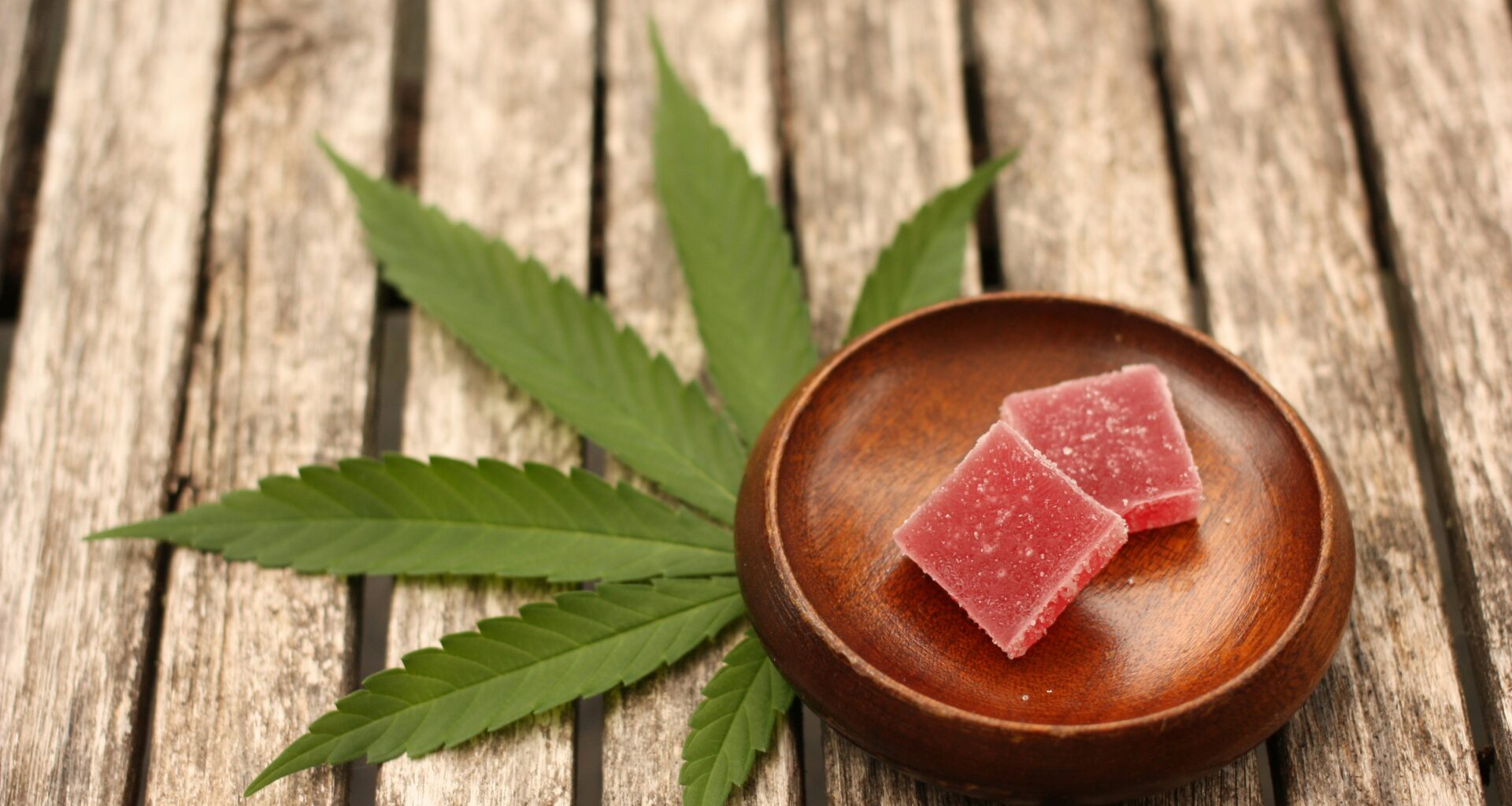
More people may be reconsidering their habits following Texas’ July ban on synthetic THC, a Dallas-based psychiatrist told the Observer last week.
On July 31, products such as delta-8, delta-10, THCP and other synthetic cannabinoids (cannabis-derived compounds) were banned in the state of Texas. The change came after the state health agency ruled that only products with delta-9 THC — and a small amount at that — fit the state’s new definition of legal hemp.
Proponents of a ban have argued that legalization opened a Pandora’s box filled with unregulated high-potency products sometimes marketed to children, often leading to negative health effects. Industry advocates, however, say it offers relief to veterans and cancer patients in a state where medical marijuana is tightly regulated.
Delta-8 and other compounds proliferated widely after the state legalized hemp in 2019, with thousands of products flooding smoke shops and CBD stores after the Texas Farm Bill was passed. Officials then tried to walk back the policy on synthetic THC products through actions by the state health agency, but were blocked in court. That is, until May, when the state ruled that the agency can amend its definitions of legal hemp to essentially outlaw many of the THC products that have been legal since 2019.
Sign up for the This Week’s Top Stories newsletter to get the latest stories delivered to your inbox
THANK YOU!
You’re all set.
CLOSE
Much of the media coverage on the topic so far has focused on the perils facing small businesses, many of which had their inventories severely impacted by the ban. But what about the consumer?
Dr. Donald Egan, director of behavioral health at Prism Health, a community health organization in Dallas, said he hasn’t seen a noticeable decrease in usage since the ban, at least based on what he’s seen in his practice. He treats patients with histories of THC use up to several times a day, and said what he has observed is that the ban is forcing people to at least begin reconsidering their habits.
“I think in a positive way, from a psychiatric standpoint and an addiction standpoint, it has kind of had people question their use,” Egan said. “‘Like, OK, I’ve been told this thing was like fine and good and healthy and safe, but now it’s being regulated more and it’s a controlled substance.’”
‘Landscape has changed’
State regulations enacted over the last two years have increasingly constrained consumers’ legal options. Pre-rolled joints and other forms of smokable hemp were effectively banned in March, while vapes containing any form of THC were banned by the state legislature beginning in 2025.
But the July ban represents the most significant challenge for the industry and consumers yet. The Texas Hemp Business Council has estimated that up to 20% of products were affected by the ban, and four retailers filed a lawsuit against the state alleging sales have declined by over 50% since it took effect, according to prior reporting by the Texas Tribune.
Egan said that consumers have been put in a tough position post-ban, which is leading them to consider changes in their use.
“Maybe it’s ‘It was regulated, and I didn’t have access to the product that I used to use, and I felt really bad, and I was having withdrawal symptoms — I don’t want that to happen again,’” he said. “And so, I haven’t seen a noticeable change in the use. However, I have seen a noticeable change in people thinking about their use”
He said he has also not seen a major uptick in withdrawal cases, but that when they do occur, they can be uncomfortable, with symptoms including insomnia or anxiety. They also last longer compared to other drugs, as THC tends to linger in the system for weeks after cessation, and can point to cannabis use syndrome, as Egan calls it.
According to the Cleveland Clinic, the disorder stems from sustained use of THC. Habitual THC use leads consumers to need more of the substance to achieve the same effects, which they can also become more dependent on, Egan said, adding that not everyone who uses THC products develops the disorder. About 10% of people who begin smoking cannabis will become addicted, and 30% of current users meet the criteria for addiction, according to Yale Medicine.
“There are people who will use it recreationally and not have issues with it,” he said. “Whereas, as a psychiatrist and as an addiction specialist, my ears perk up a little bit and I really want to make sure we get a good sense of ‘Is there beginning to be a loss of control with it? Are you using it every single day to self-medicate or to alleviate something like anxiety or insomnia?”
Treatment can include counseling, medication and addressing underlying health issues that consumers may be self-medicating for, Egan said, adding that total sobriety is not always necessary for recovery.
Egan also said that a rise in cannabis use disorder mirrors a wider trend extending to alcohol use and other substance disorders largely catalyzed by the COVID-era lockdowns. And given the products people are now using, he added, things are riskier than ever.
“The landscape has changed quite a bit over the years,” he said. “There is now more and more of this kind of growing field of THC products, which are more potent than the run-of-the-mill kind of old-fashioned marijuana that some of us’ parents and grandparents’ generations are used to… We’re seeing more of the downstream effects.”
The effects
Egan said that delta-8 THC and other synthetic THC products are different than traditional marijuana in the way they affect the brain.
“Delta-8 is more potent,” Egan said. “It affects those same receptors, just in a greater way. It’s more psychoactive in that way, meaning it has more of those effects, like increased anxiety, paranoia, insomnia, that cause people issues down the road.”
Delta-8, along with some of the other cannabinoids banned in July, occurs naturally in marijuana at low levels. However, when artificially altered by producers, the compounds can have psychoactive effects similar to or even greater than those of delta-9, the main psychoactive compound in marijuana and the only legal cannabinoid left in Texas following the changes.
Egan said that a lack of regulation on the products prior to the ban allowed dangerously potent THC products to find their way into stores, a sentiment echoed by industry leaders who have also asked for oversight to root out bad actors. However, he also said that the legal fight is unlikely to have a large impact on the persistence of substance use.
“Regardless of legality, you know whether something’s illegal or legal, people are going to find ways of using it,” he said. “There are substances that are illegal that we still see people using. I mean, opioids are a great example, like heroin, fentanyl. That’s been illegal. Everyone knows it’s illegal, yet we still see the numbers.”