
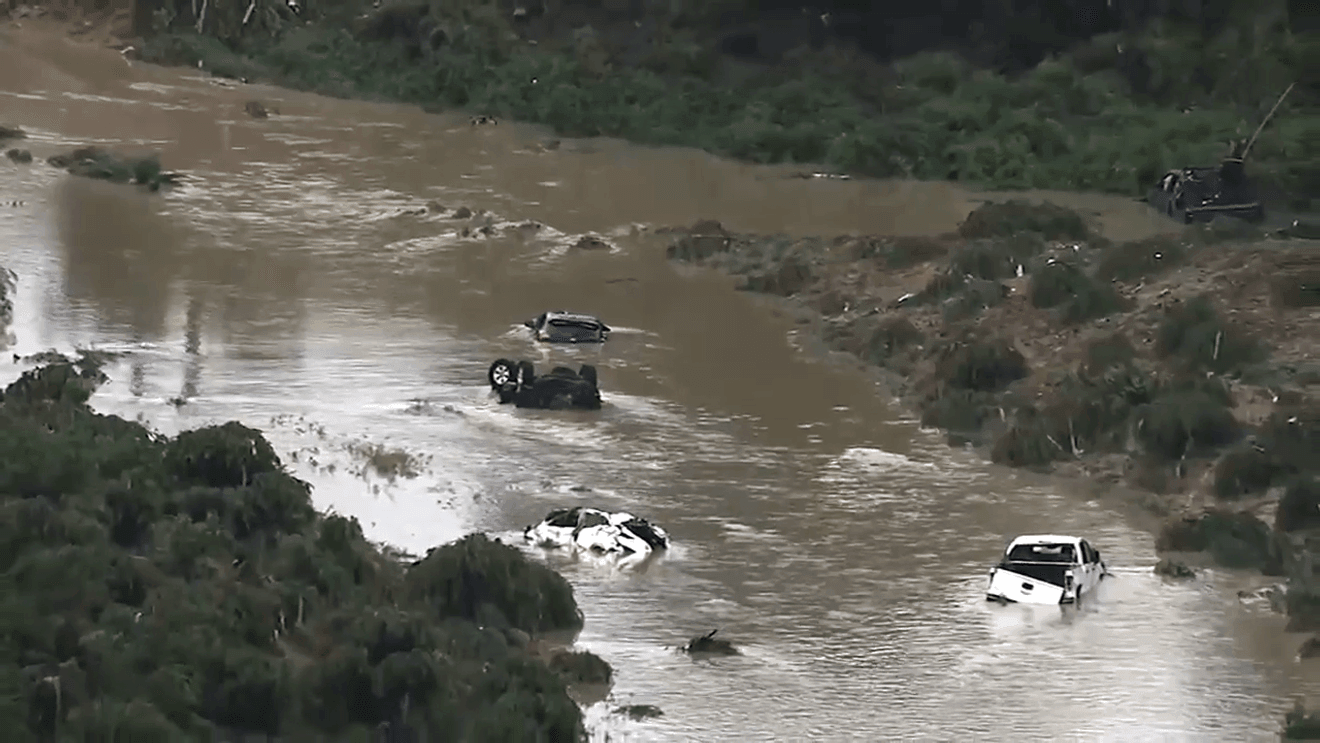
AUSTIN, Texas — With severe weather expected this week, Travis County officials say all county departments are ready to respond to emergencies, with staff monitoring conditions days ahead of the incoming storm.
County officials are urging residents to sign up for Warn Central Texas before the storm hits and to make sure audible emergency alerts are turned on on their phones so they can receive warnings when they need them.
In South Austin, residents near Onion Creek — an area known for flooding — are bracing for expected heavy rain and possible flash flooding. Austinite Terry Debolt, who lives near Onion Creek, described the challenge of living with extreme weather in the area: “I’ve had wet socks before, and it’s Austin. It’s a juggling act between droughts and floods.”
Debolt said flooding can rise quickly.
“It comes up to the door. And you just go, okay, it was going to go down. And we don’t get another 1990 that it flooded so badly,” he said.
ALSO| Heaviest rain, biggest flood threat expected Thursday night in Central Texas
Travis County Public Information Officer Hector Nieto said the county is positioning resources ahead of the storm.
“We have multiple helicopters stationed throughout the county. We also have all of the emergency services districts throughout the County that will be able to respond as well,” Nieto said.
Nieto said crews will continue monitoring conditions in the days ahead as the county works to install sirens near Maha, Onion and Sandy creeks.
“So we’re looking to get that up and running as soon as possible. Contracts have already moved forward, and we’re ready to get those installed,” he said. CBS Austin’s Vinny Martorano asked whether the sirens would be installed by the time rain arrives this week. Nieto said, “I don’t have an answer to that.”
This week, Travis County commissioners approved next year’s budget, including $35 million for the county’s disaster reserve — $20 million more than last year. The fund helps cover damage from disasters. Nieto said last year’s July Fourth floods underscored the need for the reserve.
“The reason we did that is that we are seeing more incidents, emergency incidents, every year and we want to make certain we’re able to cover those costs for those incidents,” he said.