
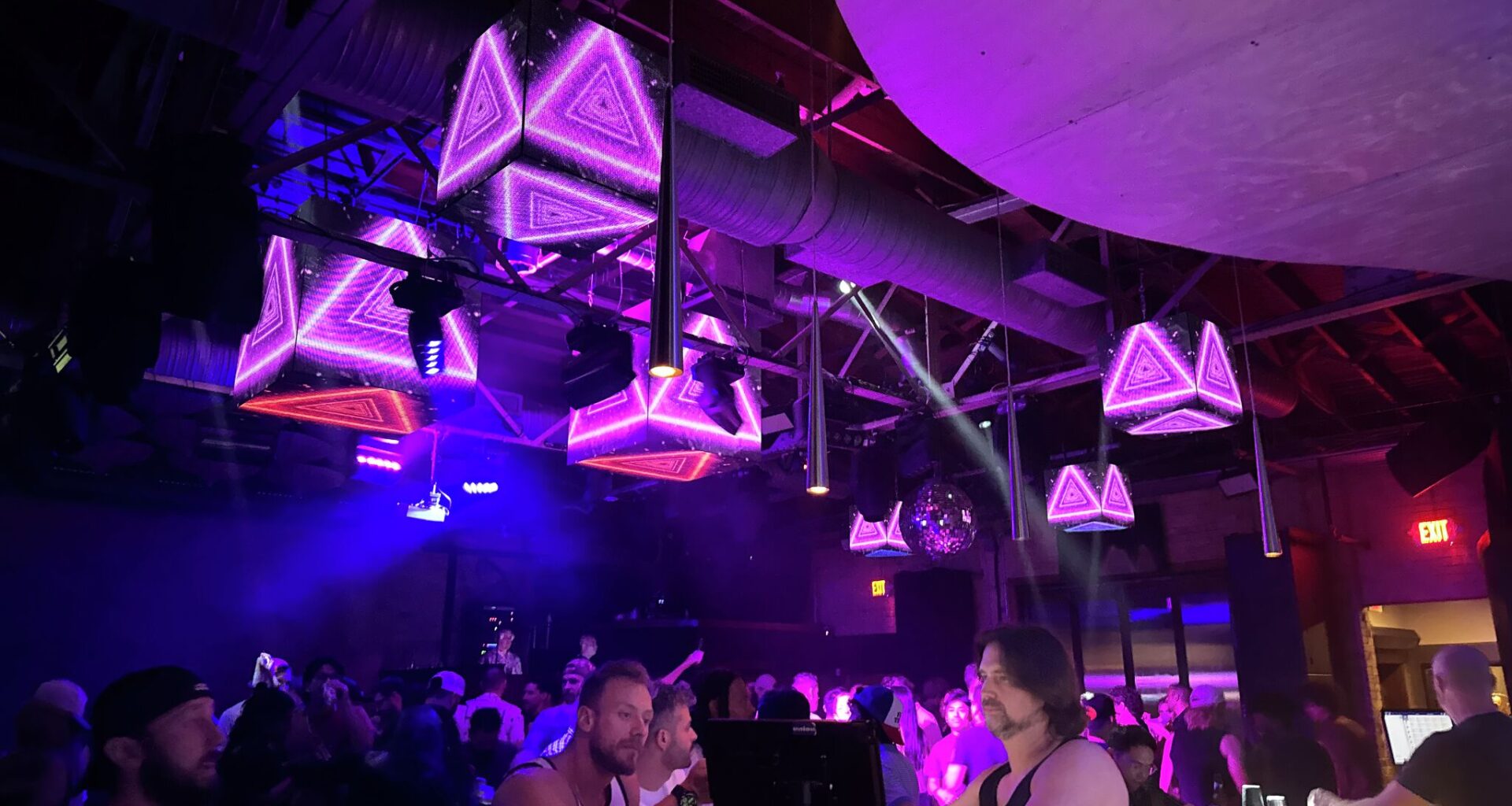
In early August, Austin queer bar Oilcan Harry’s took to Instagram with a troubling announcement: Meta, which owns both Facebook and Instagram, was flagging and censoring the accounts of Oilcan’s and its sister bar, Rain on 4th.

“While we are aware of past efforts by Meta to suppress LGBTQIA culture on social media,” Oilcan’s wrote on Aug. 5, “We are now seeing them implement an amplified LGBTQIA censorship campaign against our community and artists.”
The bar wrote in its post that pictures of drag queens were being marked “inappropriate.” Meta allegedly informed the bar when it flagged photos that posting similar images would “reduce our profile visibility.”
Article continues below this ad
“You feel helpless”
In an interview, Scott Neal, the president of Rain on 4th and a managing member of Oilcan Harry’s, told Chron that days before the Aug. 5 post, on July 30, Meta disabled Rain on 4th’s Instagram account for unspecified violations. Neal said he couldn’t get any explanation from the company on what the club’s account had done wrong. The club appealed the next day, on July 31. Days later, on Aug. 3, their appeal was denied, and Rain on 4th’s Instagram account was deleted.
“You feel helpless, you feel like you are stuck in an unfair system that you do not know how to get out of,” Neal told Chron.
Article continues below this ad
With Austin Pride Week coming up, it crushed Neal for Rain on 4th’s social media page to be shut down. Neal’s social media manager worked to find answers from friends at Meta, and Rain on 4th eventually started a new Instagram page. Suddenly, when Austin Pride Week started up on Aug. 21, their old Instagram page was reactivated and their new page was shut down. It took weeks before Neal was able to get a person at Meta to look at their account violations and have their original page restored through the help of a customer.
“If this had gone on for a month, this would have had a huge impact on our ability to stay in business in the long term,” Neal said. “Your customer engagement shuts down, and overall there is a suppression of the brand as well as a tick down in your engagement on the ground with your customers.”
Neal told Chron that, strangely, none of the posts that Meta had flagged as inappropriate for users under 18 contained nudity. Rain on 4th and Oilcan Harry’s both regularly post pictures of their dancers, who are usually scantily clad. Instead, posts with drag queens, especially iconic Austin drag performer Brigette Bandit, were flagged more than anything else.
Article continues below this ad
“Those are not marked as inappropriate, but a smiling drag queen is flagged,” Neal said.
When reached about the deactivation, Meta declined to comment to Chron, saying that the company does not comment on individual content moderation decisions related to specific accounts.
“They’re getting it wrong a lot.”
But Neal’s story fits a troubling pattern playing out across the country as bars that cater to the LGBTQ+ community say they’re being locked out of their Facebook and Instagram accounts with little to no transparency as to why. Last month, the Los Angeles Times reported on several queer nightclubs throughout the city that saw Meta take down their social media pages, only to be restored without reason weeks later. The Stud, San Francisco’s oldest gay bar, was only able to have its Meta pages restored because of the bar’s popularity among gay tech executives with connections to Meta.
Article continues below this ad
The haphazard account bans, based on unclear user guideline violations, and subsequent restorations come as Meta has increasingly used artificial intelligence to moderate content on its platforms. Earlier this year, Meta began turning over more and more of content moderation and flagging decisions over to AI. The New York Times published a story in July showing that decision had resulted in countless businesses and personal pages being removed without warning. Neal said that he felt frustrated that whether or not his businesses would be able to communicate with customers was largely out of his hands.
Smart, funny and sometimes unhinged look at the week that was.
By signing up, you agree to our Terms Of Use and acknowledge that your information will be used as described in our Privacy Policy.
“These companies that manage these services don’t seem to take into account that they’re making life-and-death decisions on small business owners on a daily basis, and they don’t care when they get it wrong,” Neal said. “And they’re getting it wrong a lot.”
In 2025, Meta overhauled its content moderation process, which saw the company drop rules meant to combat hate speech against the LGBTQ+ community. Neal said he couldn’t help but feel like that decision has played a part in the problems gay bars around the country have had with Meta’s platforms.
Article continues below this ad
“It is a very threatening feeling to have a huge giant corporation that controls the vast majority of communication in our society, to have them tell you you are no longer allowed to participate in any dialogue with your customers or the community that you serve,” Neal said. “That’s in essence a feeling of being silenced.”