
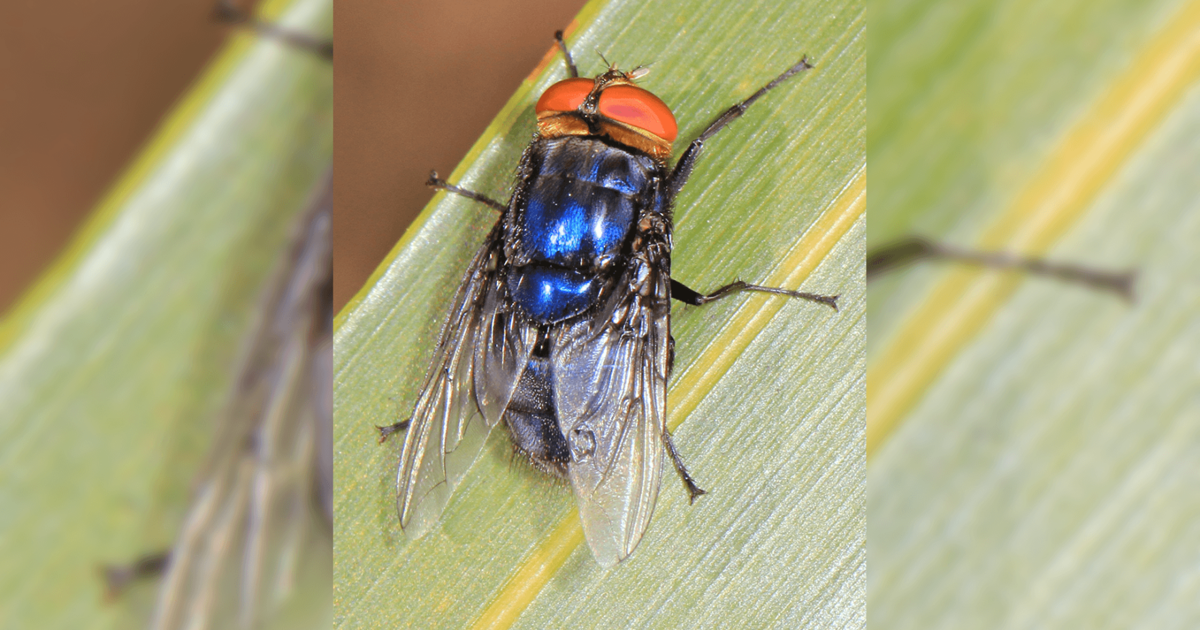
A Texas House Agriculture and Livestock Committee hearing on Friday, October 2 covered a range of topics affecting the state’s agricultural industry, including New World screwworm (NWS)—celebrating the state’s success in stifling its spread and warning about a surge in cases in Mexico.
The U.S. Department of Agriculture (USDA) lists 52 cases of this flesh-eating livestock pest in the country since the first confirmation in June, 51 of which were found in Texas. One case appeared on the border between Texas and New Mexico, while one is fully within the latter state.
Based on both the USDA’s interactive NWS case dashboard and the Texas Animal Health Commission’s (TAHC) map of NWS zones, the majority of cases are located in West Texas, in counties including Val Verde, Edwards, and Crockett, while a significantly smaller portion is clustered near Roma.
While over a dozen cases occurred in July, August and September saw only four and three cases, respectively. So far in October, only one case has been confirmed — in a dog within Brewster County.
During the hearing, the committee heard testimony from various leaders in the state’s agricultural sector, who discussed a few interim charges assigned by Texas House Speaker Dustin Burrows (R-Lubbock) for lawmakers to study ahead of the 90th Legislative Session.
The “invasive species” charge, which encompasses the focus on NWS while also addressing feral hogs and other parasites, reads: “Study the detection and management of invasive species and insects impacting Texas agriculture, including New World screwworm … Examine current prevention, response, and eradication efforts.”
Witnesses generally lauded Texas’ efforts alongside federal partners in preparing for the onslaught of NWS and in its response, while warning that the state is not quite out of the woods, as its neighbor Mexico continues to battle the infestation.
“Tremendous job we did in Texas getting through the summer. No question about it. It surprised the hell out of everybody,” said Thomas Lansford, representing the TAHC.
“But obviously, all hell is breaking loose in Mexico,” Lansford said.
The USDA is currently reporting 45,216 animal NWS cases through September 30 in Mexico, with 2,032 considered active cases.
Another TAHC representative, Dr. Lewis R. “Bud” Dinges, who is the Texas state veterinarian and the executive director of TAHC, similarly lauded the NWS response in Texas, saying, “None of the progress … would have been possible without the vigilance and participation of livestock producers, veterinarians, landowners, and other members of the public.”
But he added, “Our work will continue until the New World Screwworm is pushed out of Texas and back into Mexico. Until the pest is eradicated from Mexico, it will remain a risk to Texas and the United States.”
Since the first case was found in Zavala County in June, the USDA has released over 1.4 billion sterile flies as of October 1 to breed with the pests and prevent reproduction, a method that helped eliminate the NWS from the U.S. in 1966.
This method took center stage during the NWS discussion, as witnesses noted that the continued uptick in the pest’s presence in Mexico meant Texas could not yet rest easy, and that the outbreak would reduce Texas’ protection from the current sterile fly population concentrated in the Lone Star State.
Lansford continued in response to questions from Chairman Ryan Guillen (R-Rio Grande City) about the need for sterile flies to deal with outbreaks in other states: “With flies moving to the north and to the west, and Mexico … New Mexico is already in play … and then that brings Arizona and California into play.”
“If those states have cases, they’re going to take away what sterile flies we continue to disperse over our infested areas, and it’s going to diminish what we have at our disposal,” he added.
The hearing concluded with general agreement among witnesses and lawmakers on the panel that while federal and local collaboration on the issue has proved successful, responders must remain vigilant as NWS spreads north and west through Mexico.