
A new synthetic opioid, named cychlorphine, was linked to overdoses in multiple college towns across the Southeastern Conference in September. Here is what you need to know about cychlorphine:
What is cychlorphine?
According to the United Nations Office on Drugs and Crime, cychlorphine is found in substances like fentanyl, heroin, cocaine and medetomidine, as well as in falsified pharmaceuticals like Xanax, Percocet, Dilaudid and OxyContin.
Cychlorphine does not appear on standard fentanyl test strips and may be resistant to naloxone, due to its increased potency relative to fentanyl, according to a National Institute of Health study. The drug was first detected in 2024, and since then over two dozen states have confirmed cychlorphine overdoses.
Kasey Claborn, director of the Addiction Research Institute at UT, said that cychlorphine is just the latest synthetic opioid to enter the market.
“We have new synthetic opioids introduced all the time,” Claborn said. “The drug supply is very unpredictable, and cychlorphine is the new example of one of those drugs.”
Claborn encourages students to avoid consuming substances of unknown origin and to always carry naloxone in case of an overdose.
What prevention resources exist?
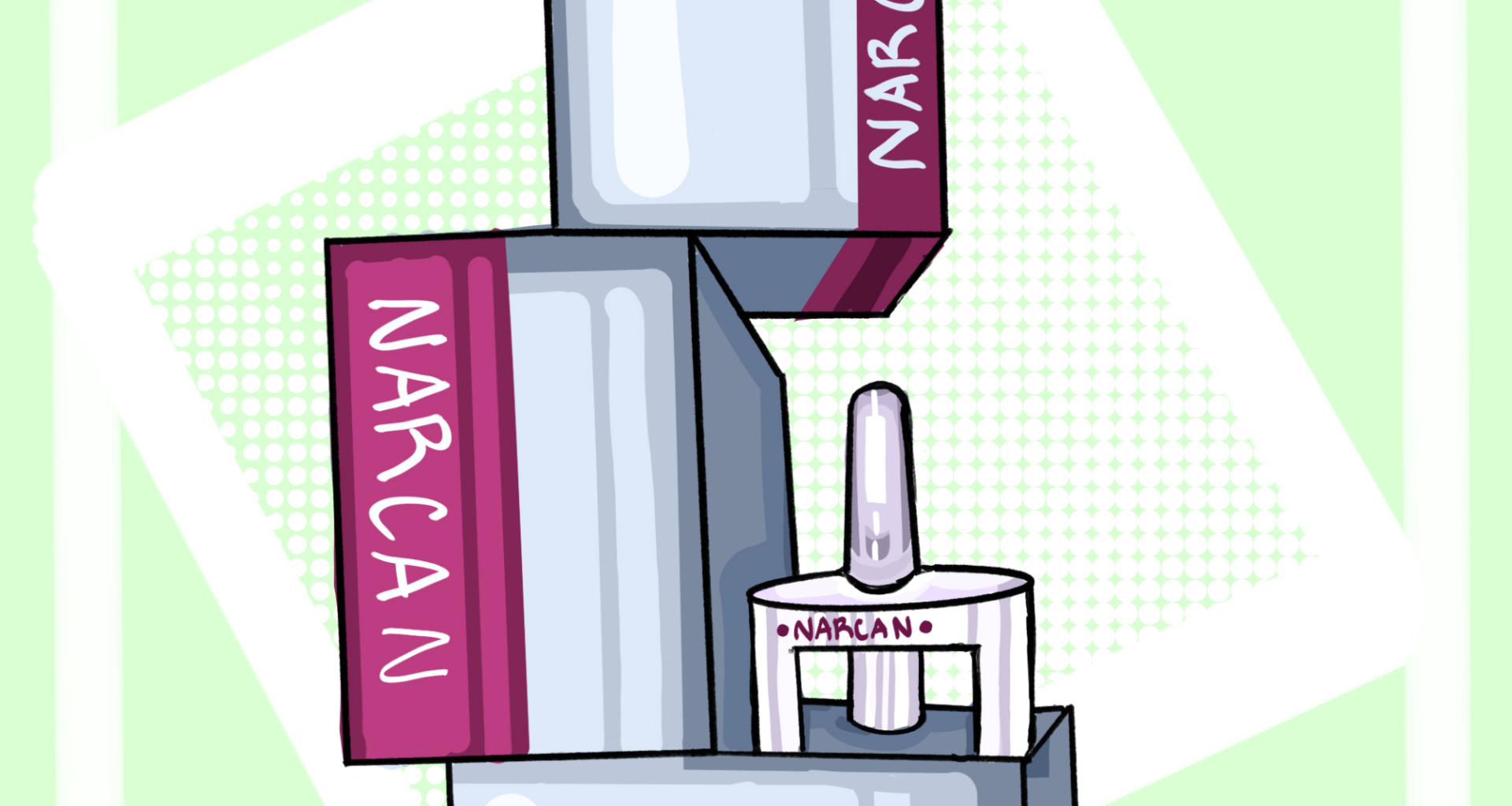
SHIFT, a UT organization promoting student wellbeing, collaborates with the College of Pharmacy on Operation Naloxone, which provides free Narcan to students at various locations around campus, including the Perry Casteñada Library, Gregory Gym and the Life Sciences Library. They also provide overdose training for students and student organizations.
“Cychlorphine is just a more potent synthetic opioid, so it’s good practice to be prepared and carry more doses of Narcan,” SHIFT director Kate Lower said.
Multiple student organizations and UT-related social media accounts, including sororities and Barstool Longhorn, have warned their members about the drug or posted about it on their social media.
SHIFT encourages student organizations to reach out to them for any assistance when it comes to substance abuse education.
“Sustainable culture change comes from students,” Lower said. “It can’t be me telling you what we need to do.”