

Abilene, Texas — Texas home cooks have new opportunities to turn what they make in their kitchens into a business after the state expanded its cottage food law, changing both what home-based food businesses can sell and how much they can earn.

Texas home cooks have new opportunities to turn what they make in their kitchens into a business after the state expanded its cottage food law, changing both what home-based food businesses can sell and how much they can earn. (KTXS, Kayla Hamlett)
One of the biggest changes is the annual gross income limit for a cottage food operation. The cap is now $150,000, up from the previous limit of $50,000.

One of the biggest changes is the annual gross income limit for a cottage food operation. The cap is now $150,000, up from the previous limit of $50,000. (KTXS, Kayla Hamlett)
The law also expanded what can be made and sold from home. Previously, the law mostly covered foods that did not need to be kept hot or cold for safety. Now, some foods that require refrigeration are allowed.
However, restrictions remain. Meat, poultry, seafood, ice products, raw milk products and some canned foods are among the items that still cannot be sold under the cottage food law.

With the expanded options come additional requirements. If a home-based business sells foods that need time and temperature control for safety, the operator must register with the Texas Department of State Health Services, and those products must be kept at safe temperatures. (KTXS, Kayla Hamlett)
With the expanded options come additional requirements. If a home-based business sells foods that need time and temperature control for safety, the operator must register with the Texas Department of State Health Services, and those products must be kept at safe temperatures.
Labels are also required, including a notice telling customers the food was produced in a private residence that is not subject to government licensing or inspection.
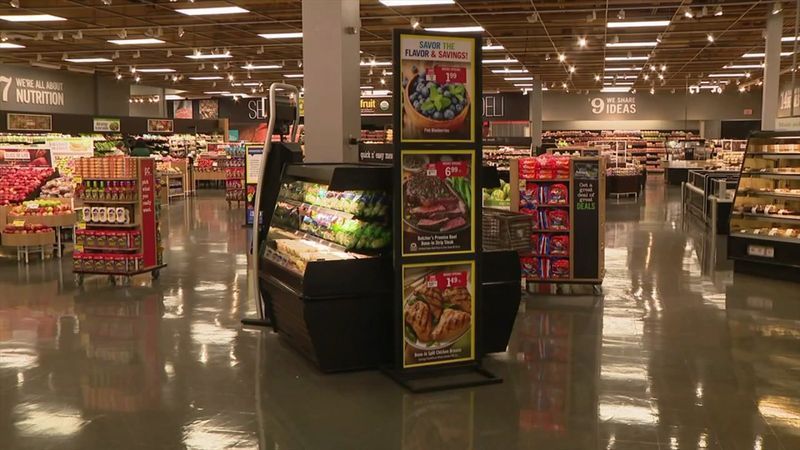
Another major change affects where certain products can be sold. Some cottage foods can now reach customers through registered vendors, including farmers’ markets, farm stands, retail stores and food service establishments. (KTXS, Kayla Hamlett)
Another major change affects where certain products can be sold. Some cottage foods can now reach customers through registered vendors, including farmers’ markets, farm stands, retail stores and food service establishments.
In Abilene, local business owners are already seeing what the changes could mean for home-based businesses, including expanded opportunities for cottage food operators.
Coming up in part two of this story, we’ll share how one local sourdough business says the law has helped impact its growth.