
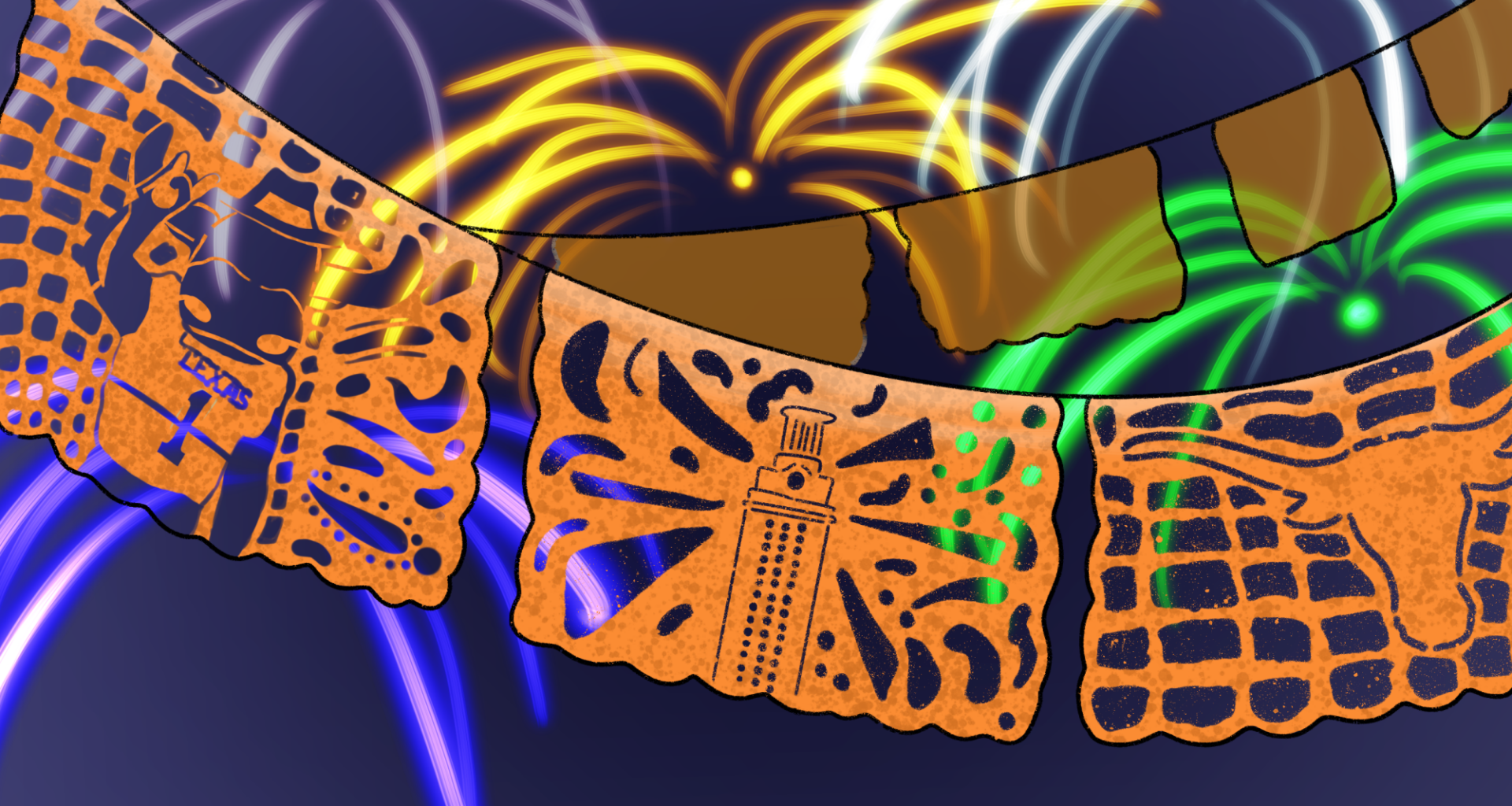
Happy Hispanic Heritage Month!
In 1989, President George H.W. Bush declared Sept. 15 to Oct. 15 National Hispanic Heritage Month. This time of year was chosen because it encompasses the independence days of many Latin American nations. Recent misinformation about Hispanic identities has resulted in violence against immigrants, making this month more necessary than ever.
As many as two-thirds of Americans can’t correctly identify when Hispanic Heritage month falls. Even at an institution like UT, where 26% of students are Hispanic, Hispanic Heritage Month is overshadowed. While the Department of English, School of Law, Housing and Dining and the UT Libraries collection host official celebrations, they have been minimally advertised. There are no campus-wide events, so it falls to students to celebrate their heritage. Hispanic Americans deserve to feel like they belong. When it comes to visibility, there is always more that can be done.
Celebrating this month, like other cultural recognition months, brings belonging, understanding and awareness to our community.
“It builds community for (Hispanics at UT),” said Erick Lara, senior nursing major and president of Latinx spirit organization Texas Fuego. “Some people may come into this University thinking they don’t see people who look like them, talk like them, dress like them or have that same cultural background, but highlighting these months … would create more community. You don’t have to (identify) as this race or demographic, but if you’re attentive, open to learning about the culture and want to explore and appreciate it, you should be very much welcome.”
Lara’s organization explores traditions of different Latin countries throughout the month, so each identity is visible.
Celebrations like the one Lara helps host create a sense of belonging and promote education. In Texas, being so close to the U.S.-Mexico border, it’s easy to generalize Hispanic identities. Hispanic Heritage Month highlights the wide variety of nationalities that fall under the Hispanic “umbrella.” Learning that Mexico, Cuba, Puerto Rico, Colombia and the Dominican Republic all have their own identities can help non-Hispanic people understand why representation is so important.
“What’s important about this (month) is visibility,” said Rachel González-Martin, associate professor in the Department of Social and Cultural Analysis. “Something at the federal level that acknowledges (Hispanic descent) and puts those terms into official discourses of recognition really helps (Hispanic-Americans) feel like we don’t have to hide.”
Today, Hispanic-Americans need this understanding. Mass deportations have left many Hispanics living in the U.S. afraid, and ignorance about Hispanic communities contributes to their oppression. By increasing visibility for marginalized communities, awareness months make minorities feel more seen.
Acevedo is a journalism freshman from League City, Texas.