
Voters in El Paso County will decide whether around $40 million in annual sales taxes should continue to fund public safety needs in November’s midterm election.
The public safety sales tax will appear on the ballot for a third time after voters initially approved it in 2012 and extended it in 2018 through Jan. 1, 2029. If voters extend it again in November, the 0.23% tax would be in effect through Jan. 1, 2037.
Recommended Stories▶
Since taking effect, El Paso County’s population has grown by 18%, while emergency service calls have increased by 34%, according to the Board of County Commissioners, which voted unanimously to renew the ballot issue.
The measure is listed on the ballot as Issue 1A and is the only one for El Paso County. It states that the funds will support the needs of continuing law enforcement, criminal justice and emergency response.
Across those categories, the tax funds 197 of the 890 positions within the El Paso County Sheriff’s Office, jail services, equipment, training, wildland firefighting resources, fire mitigation and more, according to county officials.
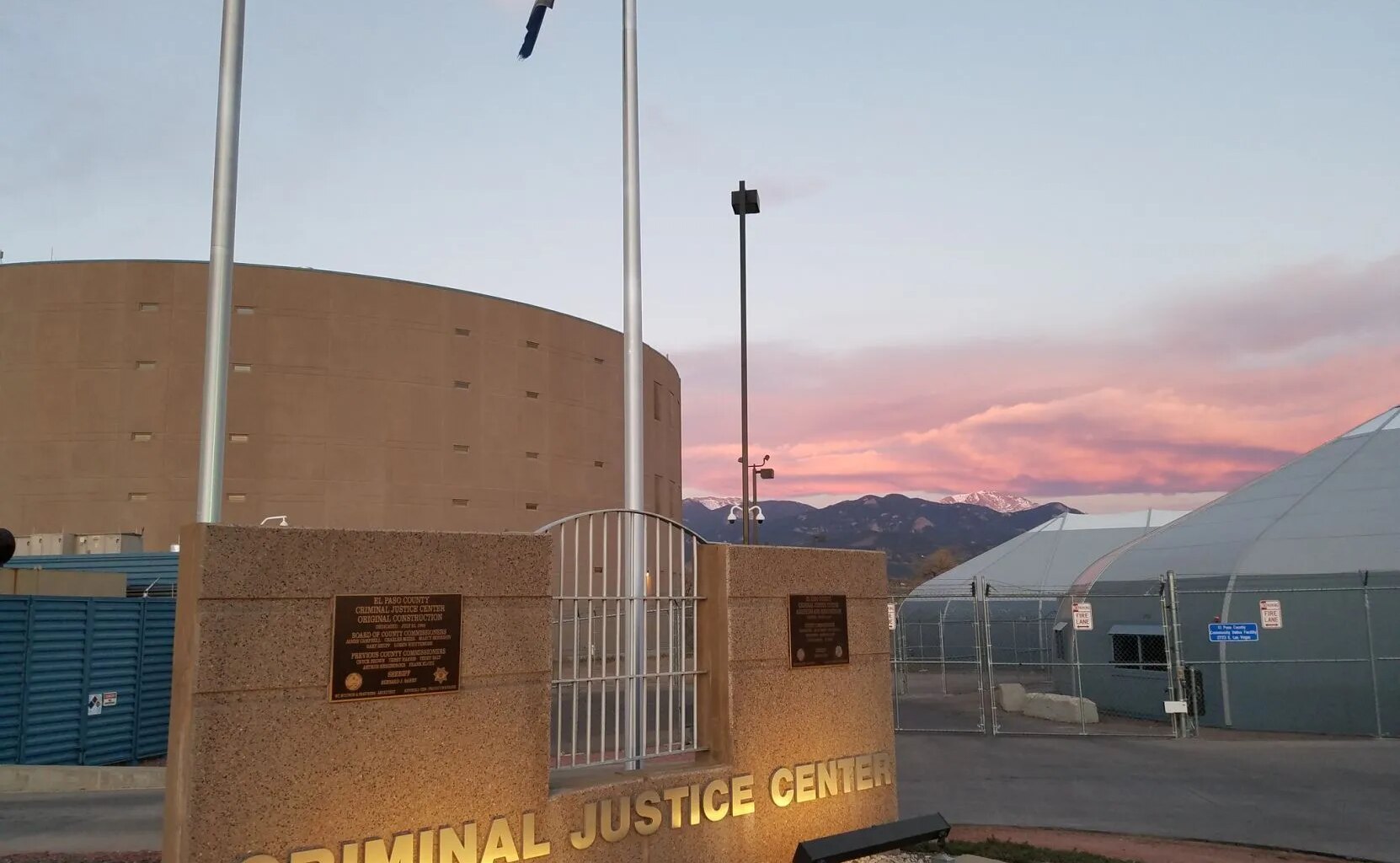
The Sheriff’s Office also uses those funds toward operating the regional 911 communications center for 30 agencies and the El Paso County jail, which houses detainees from all law enforcement agencies in the county.
The sales tax also fully paid for the Sheriff’s Office first free-standing substation near Stapleton Drive and Meridian Ranch Road in Falcon, Sheriff Joseph Roybal told The Gazette. Roybal claimed the substation would “change the face of law enforcement in El Paso County” once it fully opens later this year.
He believes the public should notice Sheriff’s Office deputies saving time with the new substation, because booking times should decrease from over three hours to around 30 minutes.
“We’re looking at savings of time and not money,” Roybal said. “That is going to be in serving the community and not having as many pending calls for service because my deputies are able to respond more efficiently.”
The eastern substation is modeled after those used by the Colorado Springs Police Department because all four operate as fully functional police stations, Roybal said.
The project would not have been completed without crucial funding from the public safety tax, according to Roybal.