
As the world’s eyes turn to Brazil for the United Nations Climate Change Conference (COP30), Austin-based Texas Impact/Texas Interfaith Power & Light is sending video dispatches from the conference to the Chronicle.
Where are we? Where do we want to go? And how will we get there? Those are the three questions asked at a Talanoa dialogue, a structured conversation held in groups as a way to find a way forward.
“Talanoa is an indigenous Pacific Island term that means ‘storytelling without concealment.’ It describes a kind of community conversation where participants lay a foundation by sharing personal stories, identifying common goals that are responsive to those stories, and considering strategies to achieve those goals,” says Texas Impact Executive Director Bee Moorhead.
Unlike other types of stakeholder gatherings, a Talanoa dialogue is intentionally non-hierarchical. Each participant has an opportunity to share their experience and answer the three questions. Moorhead explains, “Talanoa’s unique approach of building empathy and common understanding allows participants to share areas of common concern and common aspirations, which in turn opens pathways for identifying steps for future action.”
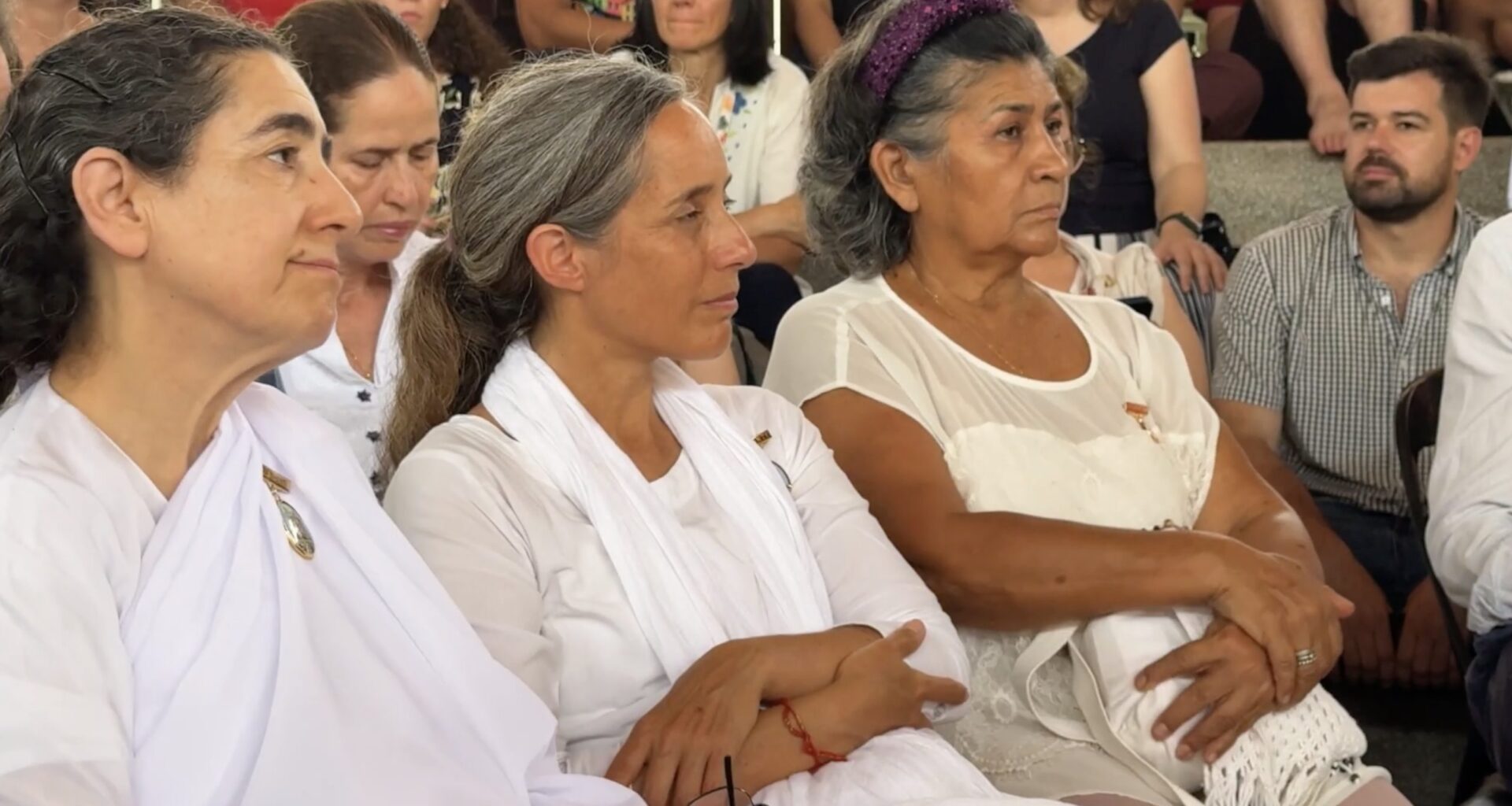
Interfaith advocates gather each year at COP for a Talanoa dialogue about the global response to climate change. This year’s Talanoa was held at the Lutheran Church of Belém on the first day of the conference. The event began with music and an opportunity for silence, reflection, and prayer before participants gathered into groups for discussion.
Some common themes emerged from this year’s discussions, which included members of multiple faiths, indigenous peoples, and faith leaders.
At this year’s conference, which is held in the middle of the Amazon Rainforest, the contributions of indigenous peoples to environmental justice work is top of mind. We have failed to listen to the voices of indigenous people, who have generations of wisdom about living in harmony with the land. The connection of indigenous people to the land is the foundation of their advocacy work against mining, deforestation, and other environmental problems.
Other participants warned that without care, the energy transition will lead to new kinds of exploitation. A representative from the Democratic Republic of the Congo described the effects of cobalt mining on his country, where the environmental devastation has led to respiratory distress in children, birth defects, and other health problems. An energy transition that does not pay attention to the effect on people’s lives is fundamentally unjust. We cannot trade one injustice for another.
Several groups called for a spiritual change in how people live as members of creation. In the US, which focuses too much on consumerism and individualism, climate action is especially hard. But in other places where people have stronger community ties, the idea of making sacrifices for the greater good is more familiar. Making the kinds of changes needed to address climate change requires community mindedness and collective action.
After the discussion, the event closed with a second time of reflection and music and then a shared meal.
About Texas Impact
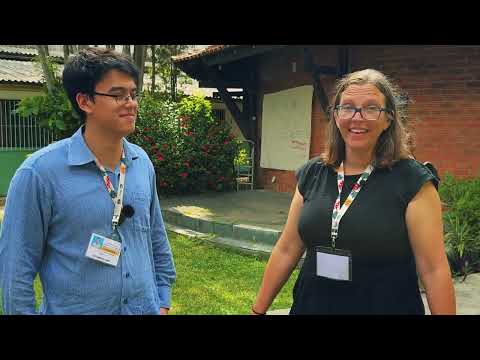
Texas Impact exists to put faith into action. We equip faith leaders and their congregations with the information, opportunities, and outreach tools to educate their communities and engage with lawmakers on pressing public policy issues. We are an interfaith group that works together on issues that impact the most vulnerable people in our communities. We help people live out their faith in the public square, moving the faith community from charity to justice.
A note to readers: Bold and uncensored, The Austin Chronicle has been Austin’s independent news source for over 40 years, expressing the community’s political and environmental concerns and supporting its active cultural scene. Now more than ever, we need your support to continue supplying Austin with independent, free press. If real news is important to you, please consider making a donation of $5, $10 or whatever you can afford, to help keep our journalism on stands.