
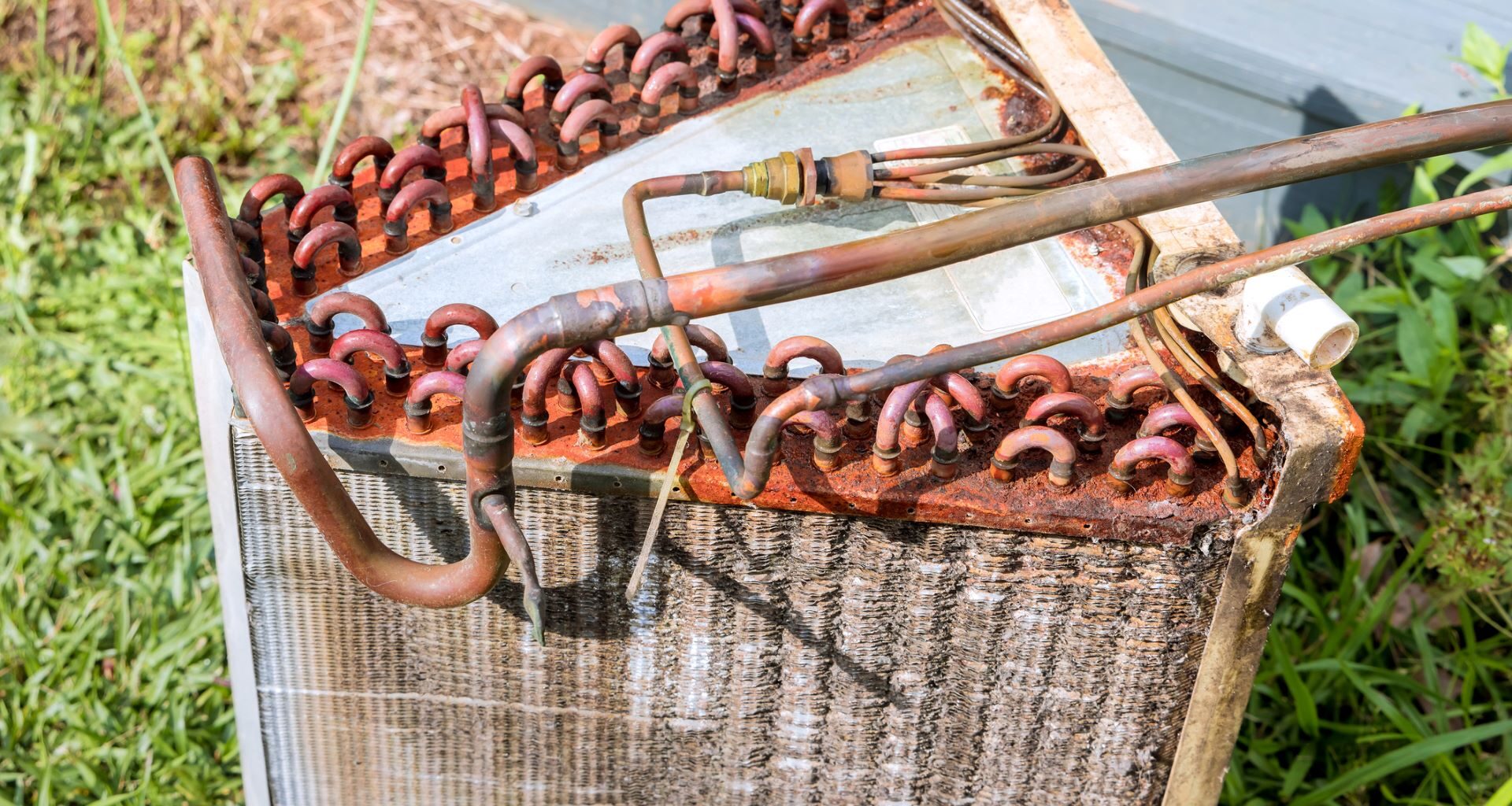
An Austin, Texas, homeowner went to an HVAC supply store looking for a condenser or evaporator coil and left with a bigger question: Was the clerk right that an unlicensed buyer couldn’t legally buy the equipment?
The thread struck a nerve because many homeowners see buying equipment themselves as a way to avoid steep replacement quotes — especially as heating and cooling upgrades can be one of the most effective ways to cut utility bills and guard against rising energy prices.
Here’s what to know
In the Reddit post, the homeowner said a front-desk employee at an Austin supplier claimed that “only licensed people can buy HVAC, condenser or evaporator coil units” when refrigerant is involved, then directed the shopper to someone else who could buy it.
Users described a mix of federal rules, state variation, and seller discretion rather than one universal answer.
One user said, “Federally, you can’t buy anything containing that amount of refrigerant without an EPA 608 certification,” and added that “State laws vary on who can buy equipment,” and that supply houses can adopt stricter policies.
Some replies said the real hurdle is often store policy, not a blanket ban, as reflected in one comment: “Most wholesale houses only sell to contractors.”
For homeowners looking to lower monthly bills with a better system, Palmetto can help explain newer, more efficient HVAC and heat pump options. Its Comfort Plan network can also connect homeowners with vetted installers and efficient heating and cooling solutions.
More background
The discussion separated buying equipment from the challenge of installing it correctly.
One user said they got an EPA certification through SkillCat in “3 hours,” while another replied that proper installation also takes “$1500 of equipment to have it properly installed.”
Throughout the thread, users repeatedly said HVAC equipment can be bought online, citing everything from broad web marketplaces to specialty sellers and even eBay.
Pushback from installers came up too. A user familiar with the trade called owner-provided equipment “the bane of the industry,” underscoring how reluctant many contractors are to work on systems they did not source.
What can be done?
Users said online sellers may still be an option if a local wholesaler refuses to sell, but that does not answer the separate question of who will agree to install owner-supplied equipment.
For homeowners who want the bill savings of a newer system without the guesswork, a Comfort Plan can offer $0-down options that can lower heating and cooling costs by up to 50%. Palmetto Comfort Plans also include 12 years of free maintenance, which could matter more than chasing a one-time equipment deal.
Homeowners can also drive costs lower by pairing solar panels with electric appliances, including efficient HVACs. EnergySage makes it easier to compare solar options and find the best system and installer for a home and budget, and it can help homeowners save up to $10,000 on solar installations.
Where can I learn more?
Questions about buying HVAC equipment often lead to bigger issues around installers, repairs, and upgrade costs. These articles cover contractor sales pressure, the realities of heat pump repairs, and the rebates and tax credits shaping replacement decisions.
• Homeowners say some HVAC contractors rely on trust-me sales tactics to justify costly replacements.
• Hidden expenses can turn heat pump repair costs into a bigger decision than expected.
• Federal HEAR rebates can help households find the best installer for efficient home electrification.
Get TCD’s free newsletters for easy tips, smart advice, and a chance to earn $5,000 toward home upgrades. To see more stories like this one, change your Google preferences here.
